
Научно-практический журнал
«Клиническая физиология кровообращения»
ISSN 1814-6910 (Print)
ISSN 2410-9134 (Online)


Главный редактор
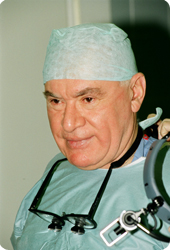
Лео Антонович Бокерия, доктор медицинских наук, профессор, академик РАН и РАМН, президент ФГБУ «НМИЦ ССХ им. А.Н. Бакулева» МЗ РФ
Cортировать по
Алгоритм действий при осложнениях дренирования спинномозговой жидкости во время операций на аорте

Авторы:
Организация:
ФГБУ «Национальный медицинский исследовательский центр сердечно-сосудистой хирургии им. А.Н. Бакулева» Минздрава России, Москва, Российская Федерация
Для корреспонденции: Сведения доступны для зарегистрированных пользователей.
Раздел: Обзоры
DOI:
УДК: 616.13-004.6-089
Библиографическая ссылка: Клиническая физиология кровообращения. 2025; 22 (3): 222-235
Цитировать как: Щаницын И.Н., Аракелян В.С., Папиташвили В.Г., Аверина Т.Б., Бондарев А.М., Букацелло Р.Г., Куличков П.П., Андронатий В.А.. Алгоритм действий при осложнениях дренирования спинномозговой жидкости во время операций на аорте. Клиническая физиология кровообращения. 2025; 22 (3): 222-235. DOI: 10.24022/1814-6910-2025-22-3-222-235
Ключевые слова:
Поступила / Принята к печати: 01.09.2025 / 15.09.2025
Скачать (Download)Аннотация
В настоящее время при открытых и эндоваскулярных операциях на грудном отделе аорты рекомендуется профилактическое дренирование спинномозговой жидкости (СМЖ) у пациентов высокого риска ишемии спинного мозга. Однако в последние годы отмечается рост числа публикаций с описанием тяжелых осложнений дренирования СМЖ, такими как субдуральная гематома или внутримозговое кровоизлияние. Частота всех осложнений в ряде исследований достигает 10%. Целью данной работы был анализ существующих исследований и собственного опыта для создания алгоритма действий при возникновении различных осложнений дренирования СМЖ.
Методы. Мы провели обзор литературы, посвященной осложнениям дренирования СМЖ при операциях на аорте. Осложнения были систематизированы по степени тяжести, и была определена средняя частота развития осложнений по данным литературы. Проведен анализ собственных результатов лечения пациентов с аневризмами грудного (АГА) и торакоабдоминального отделов аорты (ТААА) с 2000 по 2024 гг., которым проводили мониторирование давления СМЖ и дренирование. В ретроспективное исследование вошли 331 пациент с диагнозом АГА (50,8%) и ТААА (49,2%). Оценивали частоту осложнений дренирования СМЖ и летальность, связанную с дренированием СМЖ.
Результаты. В ретроспективном исследовании осложнения дренирования СМЖ были выявлены в 11,2% случаев. По степени тяжести осложнений разделение было следующим: легкие – в 5,1% случаев (умеренные постпункционные головные боли – ППГБ), средней тяжести – в 3,3% (выраженные ППГБ – 1,8%, асимптомное внутримозговое кровоизлияние – 1,2%, признаки паралюмбальной инфекции – 0,3%), тяжелые – в 2,7% (симптомная субдуральная гематома – 1,2%, внутримозговое кровоизлияние – 1,5%). Трудности при постановке спинального дренажа отмечены в 2,1% случаев. Кровь в ликворе выявлена у 1,5% пациентов. Летальность, связанная с осложнением дренирования СМЖ, составила 2,4%. Тяжелые осложнения (симптомная субдуральная гематома и внутримозговое кровоизлияние) выявлены у 2,7% пациентов. При сравнении с данными литературы частота тяжелых осложнений не отличалась, однако общая частота осложнений оказалась выше, в первую очередь за счет легких осложнений.
Основываясь на данных литературы и собственном опыте, нами был разработан подробный алгоритм действий при возникновении различных осложнений дренирования СМЖ.
Заключение. Несмотря на то что дренирование СМЖ остается основным методом профилактики и лечения ишемии спинного мозга при операциях по поводу ТААА, необходимо оценивать потенциальный риск и пользу дренирования. Алгоритм действий при возникновении различных осложнений дренирования СМЖ позволит снизить частоту неблагоприятных исходов при операциях на аорте.
Литература
- Aucoin V.J., Motyl C.M., Novak Z., Eagleton M.J., Farber M.A., Gasper W. et al. Predictors and outcomes of spinal cord injury following complex branched/fenestrated endovascular aortic repair in the US Aor-tic Research Consortium. J. Vasc. Surg. 2023; 77 (6): 1578–1587. DOI: 10.1016/J.JVS.2023.01.205
- Dias-Neto M., Tenorio E.R., Huang Y., Jakimowicz T., Mendes B.C., Kölbel T. et al. Comparison of single- and multistage strategies during fenestrated-branched endovascular aortic repair of thoracoabdominal aortic aneurysms. J. Vasc. Surg. 2023; 77 (6): 1588–1597.e4. DOI: 10.1016/j.jvs.2023.01.188
- Rocha R.V., Lindsay T.F., Friedrich J.O., Shan S., Sinha S., Yanagawa B. et al. Systematic review of contemporary outcomes of endovascular and open thoracoabdominal aortic aneurysm repair. J. Vasc. Surg. 2020; 71 (4): 1396–1412.e12. DOI: 10.1016/J.JVS.2019.06.216/SSET/26362A3F-9DE0-4F0F-8303-F2B94765E7D6/MAIN.ASSETS/FX8.JPG
- Gaudino M., Khan F.M., Rahouma M., Naik A., Hame-ed I., Spadaccio C. et al. Spinal cord injury after open and endovascular repair of descending thoracic and thoracoabdominal aortic aneurysms: A meta-analysis. J. Thorac. Cardiovasc. Surg. 2022; 163 (2): 552–564. DOI: 10.1016/j.jtcvs.2020.04.126
- Alzghari T., An K.R., Harik L., Rahouma M., Dimagli A., Perezgorvas-Olaria R. et al. Spinal cord injury after open and endovascular repair of descending thoracic aneurysm and thoracoabdominal aortic aneurysm: an updated systematic review and meta-analysis. Ann. Cardio- thorac. Surg. 2023; 12 (5): 409–417. DOI: 10.21037/ACS-2023-SCP-14
- Isselbacher E.M., Preventza O., Black J.H., Augousti-des J.G., Beck A.W., Bolen M.A. et al. 2022 ACC/AHA Guideline for the Diagnosis and Management of Aortic Disease: A Report of the American Heart Association/American College of Cardiology Joint Committee on Clinical Practice Guidelines. Circulation. 2022; 146 (24): E334–482. DOI: 10.1161/CIR.0000000000001106
- Lombardi J.V., Hughes G.C., Appoo J.J., Bavaria J.E., Beck A.W., Cambria R.P. et al. Society for Vascular Surgery (SVS) and Society of Thoracic Surgeons (STS) reporting standards for type B aortic dissections. J. Vasc. Surg. 2020; 71 (3): 723–747. DOI: 10.1016/J.JVS.2019.11.013/ASSET/26707A18-179E-4C6D-B505-F77984C6850A/MAIN.ASSETS/GR16.JPG
- Чарчян Э.Р., Брешенков Д.Г., Иртюга О.Б. Национальные клинические рекомендации: Аневризмы грудной и торакоабдоминальной аорты. Дата размещения КР: 11062025 https://cr.minzdrav.gov.ru/preview-cr/919_1. 2025
- Jónsson G.G., Mani K., Mosavi F., D’Oria M., Seme-nas E., Wanhainen A. et al. Spinal drain-related complications after complex endovascular aortic repair using a prophylactic automated volume-directed drainage protocol. J. Vasc. Surg. 2023; 78 (3): 575–583.e2. DOI: 10.1016/j. jvs.2023.03.505
- Sandhu H.K., Evans J.D., Tanaka A., Atay S., Afifi R.O., Charlton-Ouw K.M. et al. Fluctuations in spinal cord perfusion pressure: a harbinger of delayed paraplegia after thoracoabdominal aortic repair. Semin. Thorac. Cardiovasc. Surg. 2017; 29 (4): 451–459. DOI: 10.1053/j.semtcvs.2017.05.007
- Rong L.Q., Kamel M.K., Rahouma M., White R.S., Lichtman A.D., Pryor K.O. et al. Cerebrospinal-fluid drain-related complications in patients undergoing open and endovascular repairs of thoracic and thoraco-abdominal aortic pathologies: a systematic review and meta- analysis. Br. J. Anaesth. 2018; 120 (5): 904–913. DOI: 10.1016/J.BJA.2017.12.045
- Pini R., Faggioli G., Paraskevas K.I., Alaidroos M., Palermo S., Gallitto E. et al. A systematic review and meta-analysis of the occurrence of spinal cord ischemia after endovascular repair of thoracoabdominal aortic aneurysms. J. Vasc. Surg. 2022; 75 (4): 1466–1477.e8. DOI: 10.1016/j.jvs.2021.10.015
- Mylonas S.N., Aras T., Dorweiler B. A systematic review and an updated meta-analysis of fenestrated/branched endovascular aortic repair of chronic post-dissection thoracoabdominal aortic aneurysms. J. Clin. Med. 2024; 13 (2): 64–66. DOI: 10.3390/JCM13020410
- Moulakakis KG., Karaolanis G., Antonopoulos C.N., Kakisis J., Klonaris C., Preventza O. et al. Open repair of thoracoabdominal aortic aneurysms in experienced centers. J. Vasc. Surg. 2018; 68 (2): 634–645.e12. DOI: 10.1016/J.JVS.2018.03.410
- Аракелян В.С., Папиташвили В.Г., Кидакоев Р.З.Г., Хон В.Л., Дзуцев В.Р. Гибридная хирургия при патологии грудной аорты: перспективы развития. Креативная кардиология. 2023; 17 (3): 367–374.
- Берген Т.А., Труфанов Г.Е., Дорофеев А.В., Фокин В.А., Синицын В.Е., Пурсанова Д.М. и др. Экспертный консенсус национальных медицинских исследовательских центров по профилю сердечно-сосудистая хирургия и Российского общества рентгенологов и радиологов: принципы и технология использования методов лучевой диагностики при патологии аорты. Грудная и сердечно- сосудистая хирургия. 2023; 65 (6): 624–634.
- Bower T., Murray M., Gloviczki P., Yaksh T., Hollier L., Pairolero P. Effects of thoracic aortic occlusion and cerebrospinal fluid drainage on regional spinal cord blood flow in dogs: correlation with neurologic outcome. J. Vasc. Surg. 1989; 9 (1): 135–144.
- Sugie S., Nakajima M., Ueno A. et al. Studies on occlusion and replacement of the thoracic aorta. Nippon. J. Angiocardiol. 1957; 20: 120.
- Miyamoto K., Ueno A., Wada T., Kimoto S. A new and simple method of preventing spinal cord damage following temporary occlusion of the thoracic aorta by draining the cerebrospinal fluid. J. Cardiovasc. Surg. (Torino). 1960; 1: 188–197.
- Blaisdell F., Cooley D. The mechanism of paraplegia after temporary thoracic aortic occlusion and its relationship to spinal fluid pressure. Surgery. 1962; 51: 351–355.
- Haunschild J., von Aspern K., Khachatryan Z., Bianchi E., Friedheim T., Wipper S. et al. Detrimental effects of cerebrospinal fluid pressure elevation on spinal cord perfusion: First-time direct detection in a large animal model. Eur. J. Cardio-Thorac. Surg. 2020; 58 (2): 286–293. DOI: 10.1093/EJCTS/EZAA038
- Coselli J.S., LeMaire S.A., Köksoy C., Schmittling Z.C., Curling P.E. Cerebrospinal fluid drainage reduces paraplegia after thoracoabdominal aortic aneurysm repair: Results of a randomized clinical trial. J. Vasc. Surg. 2002; 35 (4): 631–639. DOI: 10.1067/mva.2002.122024
- Khan N.R., Smalley Z., Nesvick C.L., Lee S.L., Michael L.M. The use of lumbar drains in preventing Spinal cord injury following thoracoabdominal aortic aneurysm repair: An updated systematic review and meta-analysis. J. Neurosurg. Spine. 2016; 25 (3): 383–393. DOI: 10.3171/2016.1.SPINE151199
- Coselli J.S., Green S.Y., Price M.D., Zhang Q., Prevent-za O., de la Cruz K.I. et al. Spinal cord deficit after 1114 extent II open thoracoabdominal aortic aneurysm repairs. J. Thorac. Cardiovasc. Surg. 2020; 159 (1): 1–13. DOI: 10.1016/j.jtcvs.2019.01.120
- Cinà C.S., Abouzahr L., Arena G.O., Laganà A., Devereaux P.J., Farrokhyar F. Cerebrospinal fluid drainage to prevent paraplegia during thoracic and thoracoabdominal aortic aneurysm surgery: A systematic review and meta-analysis. J. Vasc. Surg. 2004; 40 (1): 36–44. DOI: 10.1016/j.jvs.2004.03.017
- Mousa A.Y., Morcos R., Broce M., Bates M.C., AbuRahma A.F. New preoperative spinal cord ischemia risk stratification model for patients undergoing thoracic endovascular aortic repair. Vasc. Endovasc. Surg. 2020; 54 (6): 487–496. DOI: 10.1177/1538574420929135
- Sugiura J., Oshima H., Abe T., Narita Y., Araki Y., Fujimoto K. et al. The efficacy and risk of cerebrospinal fluid drainage for thoracoabdominal aortic aneurysm repair: A retrospective observational comparison between drainage and non-drainage. Interact. Cardiovasc. Thorac. Surg. 2017; 24 (4): 609–614. DOI: 10.1093/ICVTS/IVW436
- Brisard L., El Batti S., Borghese O., Maurel B. Risk factors for spinal cord injury during endovascular repair of thoracoabdominal aneurysm: review of the literature and proposal of a prognostic score. J. Clin. Med. 2023; 12 (24): 15–20. DOI: 10.3390/JCM12247520
- Seike Y., Fukuda T., Yokawa K., Koizumi S., Masada K., Inoue Y. et al. Aggressive use of prophylactic cerebrospinal fluid drainage to prevent spinal cord ischemia during thoracic endovascular aortic repair is not supportive. Eur. J. Cardiothorac. Surg. 2022; 62 (6): 28–32. DOI: 10.1093/EJCTS/EZAC441
- Wortmann M., Böckler D., Geisbüsch P. Perioperative cerebrospinal fluid drainage for the prevention of spinal ischemia after endovascular aortic repair. Gefässchirurgie. 2017; 22 (S2): 35–40. DOI: 10.1007/S00772-017-0261-Z
- Katsargyris A., Oikonomou K., Kouvelos G., Renner H., Ritter W., Verhoeven E.L.G. Spinal cord ischemia after endovascular repair of thoracoabdominal aortic aneurysms with fenestrated and branched stent grafts. J. Vasc. Surg. 2015; 62 (6): 1450–1456. DOI: 10.1016/ j.jvs.2015.07.066
- Голухова Е.З. Отчет о лечебной и научной работе Национального медицинского исследовательского центра сердечно-сосудистой хирургии им. А.Н. Бакулева Минздрава России за 2024 год. Перспективы дальнейшего развития. Сердечно-сосудистые заболевания. Бюллетень НЦССХ им. А.Н. Бакулева РАМН. 2025; 26 (спецвыпуск): 5–130.
- Schachner T., Gottardi R., Schmidli J., Wyss T.R., Van Den Berg J.C., Tsilimparis N. et al. Practice of neuromonitoring in open and endovascular thoracoabdominal aortic repair – an international expert-based modified Delphi consensus study. Eur. J. Cardiothorac. Surg. 2023; 63 (6): 122–128. DOI: 10.1093/EJCTS/EZAD198
- Bisdas T., Panuccio G., Sugimoto M., Torsello G., Austermann M. Risk factors for spinal cord ischemia after endovascular repair of thoracoabdominal aortic aneurysms. J. Vasc. Surg. 2015; 61 (6): 1408–1416. DOI: 10.1016/j.jvs.2015.01.044
- Zhang Z., Zhou Y., Lin S., Xiao J., Ai W., Zhang WW. Systematic review and meta-analysis of association of prophylactic cerebrospinal fluid drainage in preventing spinal cord ischemia after thoracic endovascular aortic repair. J. Vasc. Surg. 2022; 75 (4): 1478–1489.e5. DOI: 10.1016/j. jvs.2021.10.050
- Yoshitani K., Kawaguchi M., Kawamata M., Kakinohana M., Kato S., Hasuwa K. et al. Cerebrospinal fluid drainage to prevent postoperative spinal cord injury in thoracic aortic repair. J. Anesth. 2021; 35 (1): 43–50. DOI: 10.1007/S00540-020-02857-W
- Rodrigues D.V.S., Chait J., Cirillo-Penn N.C., DeMartino R.R., Vierkant R.A., Oderich G.S. et al. Trends in hospitalization of patients undergoing endovascular treatment of thoracoabdominal aortic aneurysms based on cerebrospinal fluid drainage strategy. J. Vasc. Surg. 2024; 80 (4): 988–995.e1. DOI: 10.1016/j.jvs.2024.05.032
- Greenberg R.K., Lu Q., Roselli E.E., Svensson L.G., Moon M.C., Hernandez A.V. et al. Contemporary analysis of descending thoracic and thoracoabdominal aneurysm repair a comparison of endovascular and open techniques. Circulation. 2008; 118 (8): 808–817. DOI: 10.1161/ CIRCULATIONAHA.108.769695
- Yang G.K., Misskey J., Arsenault K., Gagnon J., Janusz M., Faulds J. Outcomes of a spinal drain and intraoperative neurophysiologic monitoring protocol in thoracic endovascular aortic repair. Ann. Vasc. Surg. 2019; 61: 124–133. DOI: 10.1016/J.AVSG.2019.04.022
- Estrera A.L., Sheinbaum R., Miller C.C., Azizzadeh A., Walkes J.C., Lee T.Y. et al. Cerebrospinal fluid drainage during thoracic aortic repair: safety and current management. Ann. Thorac. Surg. 2009; 88 (1): 9–15. DOI: 10.1016/J.ATHORACSUR.2009.03.039
- Wynn M.M., Sebranek J., Marks E., Engelbert T., Acher C.W. Complications of spinal fluid drainage in thoracic and thoracoabdominal aortic aneurysm surgery in 724 patients treated from 1987 to 2013. J. Cardiothorac. Vasc. Anesth. 2015; 29 (2): 342–350. DOI: 10.1053/J. JVCA.2014.06.024
- Wynn M.M., Mell M.W., Tefera G., Hoch J.R., Acher C.W. Complications of spinal fluid drainage in thoracoabdominal aortic aneurysm repair: a report of 486 patients treated from 1987 to 2008. J. Vasc. Surg. 2009; 49 (1): 29–35. DOI: 10.1016/J.JVS.2008.07.076
- Plotkin A., Han S.M., Weaver F.A., Rowe V.L., Ziegler K.R., Fleischman F. et al. Complications associated with lumbar drain placement for endovascular aortic repair. J. Vasc. Surg. 2021; 73 (5): 1513–1524.e2. DOI: 10.1016/J.JVS.2020.08.150
- Pini R., Faggioli G., Fenelli C., Gallitto E., Mascoli C., Spath P. et al. Intracranial hemorrhage after endovascular repair of thoracoabdominal aortic aneurysm. J. Endovasc. Ther. 2021; 28 (6): 897–905. DOI: 10.1177/15266028211028226
- Dardik A., Perler B.A., Roseborough G.S., Williams G.M. Subdural hematoma after thoracoabdominal aortic aneurysm repair: an underreported complication of spinal fluid drainage? J. Vasc. Surg. 2002; 36 (1): 47–50. DOI: 10.1067/MVA.2002.125022
- Tumani H., Huss A., Bachhuber F. The cerebrospinal fluid and barriers – anatomic and physiologic considerations. Handb. Clin. Neurol. 2017; 146: 3–20. DOI: 10.1016/B978-0-12-804279-3.00002-2
- Weaver K.D., Wiseman D.B., Farber M., Ewend M.G., Marston W., Keagy B.A. Complications of lumbar drainage after thoracoabdominal aortic aneurysm repair. J. Vasc. Surg. 2001; 34 (4): 623–627. DOI: 10.1067/mva.2001.117334
- Zipfel B., Buz S., Redlin M., Hullmeine D., Hammerschmidt R., Hetzer R. Spinal cord ischemia after thoracic stent-grafting: Causes apart from intercostal artery coverage. Ann. Thorac. Surg. 2013; 96 (1): 31–38. DOI: 10.1016/J.ATHORACSUR.2013.03.010
- Alqaim M., Cosar E., Crawford A.S., Robichaud D.I., Walz J.M., Schanzer A. et al. Lumbar drain complica-tions in patients undergoing fenestrated or branched endovascular aortic aneurysm repair: Development of an institutional protocol for lumbar drain management. J. Vasc. Surg. 2020; 72 (5): 1576–1583. DOI: 10.1016/j.jvs.2020.02.013
- Youngblood S.C., Tolpin D.A., Lemaire S.A., Coselli J.S., Lee V.V., Cooper J.R. Complications of cerebrospinal fluid drainage after thoracic aortic surgery: a review of 504 patients over 5 years. J. Thorac. Cardiovasc. Surg. 2013; 146 (1): 166–171. DOI: 10.1016/J.JTCVS.2013. 01.041
- Leibold R.A., Yealy D.M., Coppola M., Cantees K.K. Post-dural-puncture headache: Characteristics, management, and prevention. Ann. Emerg. Med. 1993; 22 (12): 1863–1870. DOI: 10.1016/S0196-0644(05)80416-0
- Wiesel S., Tessler M.J., Easdown L.J. Postdural puncture headache: a randomized prospective comparison of the 24 gauge Sprotte and the 27 gauge Quincke needles in young patients. Canad. J. Anaesth. 1993; 40 (7): 607–611. DOI: 10.1007/BF03009696
- Lybecker H., Moller J.T., May O., Nielsen H.K. Incidence and prediction of postdural puncture headache. A prospective study of 1021 spinal anesthesias. Anesth. Analg. 1990; 70 (4): 389–394. DOI: 10.1213/00000539-199004000-00008
- Puchakalaya M.R., Tremper K.K. Brown-Séquard syndrome following removal of a cerebrospinal fluid drainage catheter after thoracic aortic surgery. Anesth. Analg. 2005; 101 (2): 322–324. DOI: 10.1213/01.ANE. 0000159374. 53195.B4
- Leyvi G., Ramachandran S., Wasnick J.D., Plestis K., Cheung A.T., Drenger B. Case 3 – 2005 Risk and benefits of cerebrospinal fluid drainage during thoracoabdominal aortic aneurysm surgery. J. Cardiothorac. Vasc. Anesth. 2005; 19 (3): 392–399. DOI: 10.1053/j.jvca.2005.03.024
- Bontekoe J., Bennett K. Pneumocephalus in thoracoabdominal aortic aneurysm repair after lumbar drain removal and blood patch. J. Vasc. Surg. Cases Innov. Tech. 2021; 7 (3): 478–480. DOI: 10.1016/j.jvscit.2021.04.012
- Kim Y.S., Kim S.H., Jung S.H., Kim T.S., Joo S.P. Brain stem herniation secondary to cerebrospinal fluid drainage in ruptured aneurysm surgery: a case report. Springerplus. 2016; 5 (1): 1–9. DOI: 10.1186/S40064-016-1875-4
- Cheung A.T., Pochettino A., Guvakov D.V., Weiss S.J., Shanmugan S., Bavaria J.E. et al. Safety of lumbar drains in thoracic aortic operations performed with extracorporeal circulation. Ann. Thorac. Surg. 2003; 76 (4): 1190–1197. DOI: 10.1016/S0003-4975(03)00881-6
- Chaikof E.L., Mutrie C., Kasirajan K., Milner R., Chen E.P., Veeraswamy R.K. et al. Endovascular repair for diverse pathologies of the thoracic aorta: an initial decade of experience. J. Am. Coll. Surg. 2009; 208 (5): 802–816. DOI: 10.1016/J.JAMCOLLSURG.2008.12.021
- Tshomba Y., Leopardi M., Mascia D., Kahlberg A., Carozzo A., Magrin S. et al. Automated pressure-control-led cerebrospinal fluid drainage during open thoracoabdominal aortic aneurysm repair. J. Vasc. Surg. 2017; 66 (1): 37–44.
- Mazzeffi M., Abuelkasem E., Drucker C.B., Kalsi R., Toursavadkohi S., Harris D.G. et al. Contemporary single-center experience with prophylactic cerebrospinal fluid drainage for thoracic endovascular aortic repair in patients at high risk for ischemic spinal cord injury. J. Cardiothorac. Vasc. Anesth. 2018; 32 (2): 883–889. DOI: 10.1053/J.JVCA.2017.12.002
- Maier S., Shcherbakova M., Beyersdorf F., Benk C., Kari F.A., Siepe M. et al. Benefits and risks of prophylactic cerebrospinal fluid catheter and evoked potential monitoring in symptomatic spinal cord ischemia low-risk thoracic endovascular aortic repair. Thorac. Cardiovasc. Surg. 2019; 67 (5): 379–384. DOI: 10.1055/S-0038-1642611
- Van Calster K., Bianchini A., Elias F., Hertault A., Azzaoui R., Fabre D. et al. Risk factors for early and late mortality after fenestrated and branched endovascular repair of complex aneurysms. J. Vasc. Surg. 2019; 69 (5): 1342–1355. DOI: 10.1016/j.jvs.2018.08.159
- Kärkkäinen J.M., Cirillo-Penn N.C., Sen I., Tenorio E.R., Mauermann W.J., Gilkey G.D. et al. Cerebrospinal fluid drainage complications during first stage and completion fenestrated-branched endovascular aortic repair. J. Vasc. Surg. 2020; 71 (4): 1109–1118.e2. DOI: 10.1016/J. JVS.2019.06.210
- Abdelbaky M., Papanikolaou D., Zafar M.A., Ellauzi H., Shaikh M., Ziganshin B.A. et al. Safety of perioperative cerebrospinal fluid drain as a protective strategy during descending and thoracoabdominal open aortic repair. JTCVS Tech. 2021; 6: 1–8. DOI: 10.1016/j.xjtc. 2020.12.039
- Sugiyama Y., Fuseya S., Aiba K., Maruyama Y., Shi-mao T., Tanaka S. et al. Preoperative and postoperative complications of cerebrospinal fluid drainage in descending thoracic and thoraco-abdominal aortic aneurysm surgery: a single-center retrospective study. J. Anesth. 2022; 36(4): 476–483. DOI: 10.1007/S00540-022-03077-0
- Spratt J.R., Walker K.L., Wallen T.J., Neal D., Zasimovich Y., Arnaoutakis G.J. et al. Safety of cerebrospinal fluid drainage for spinal cord ischemia prevention in thoracic endovascular aortic repair. JTCVS Tech. 2022; 14: 9–28. DOI: 10.1016/j.xjtc.2022.05.001
- Mutter C., Benk J., Berger T., Kondov S., Chikvatia S., Humburger F. et al. Retrospective investigation of >400 patients undergoing thoracic endovascular aortic repair with or without cerebrospinal fluid drainage. Interdisciplinary Cardiovasc. Thorac. Surg. 2023; 37 (5): 64–69. DOI: 10.1093/ICVTS/IVAD178
- Nasir A., Zafar M.A., Abdelbaky M., Papanikolaou D., Ellauzi H., Shaikh M. et al. Safety of cerebrospinal fluid drainage in descending and thoracoabdominal aortic replacement surgery. Ann. Cardiothorac. Surg. 2023; 12 (5): 476–483. DOI: 10.21037/ACS-2023-SCP-0121


- Aucoin V.J., Motyl C.M., Novak Z., Eagleton M.J., Farber M.A., Gasper W. et al. Predictors and outcomes of spinal cord injury following complex branched/fenestrated endovascular aortic repair in the US Aor-tic Research Consortium. J. Vasc. Surg. 2023; 77 (6): 1578–1587. DOI: 10.1016/J.JVS.2023.01.205
- Dias-Neto M., Tenorio E.R., Huang Y., Jakimowicz T., Mendes B.C., Kölbel T. et al. Comparison of single- and multistage strategies during fenestrated-branched endovascular aortic repair of thoracoabdominal aortic aneurysms. J. Vasc. Surg. 2023; 77 (6): 1588–1597.e4. DOI: 10.1016/j.jvs.2023.01.188
- Rocha R.V., Lindsay T.F., Friedrich J.O., Shan S., Sinha S., Yanagawa B. et al. Systematic review of contemporary outcomes of endovascular and open thoracoabdominal aortic aneurysm repair. J. Vasc. Surg. 2020; 71 (4): 1396–1412.e12. DOI: 10.1016/J.JVS.2019.06.216/SSET/26362A3F-9DE0-4F0F-8303-F2B94765E7D6/MAIN.ASSETS/FX8.JPG
- Gaudino M., Khan F.M., Rahouma M., Naik A., Hame-ed I., Spadaccio C. et al. Spinal cord injury after open and endovascular repair of descending thoracic and thoracoabdominal aortic aneurysms: A meta-analysis. J. Thorac. Cardiovasc. Surg. 2022; 163 (2): 552–564. DOI: 10.1016/j.jtcvs.2020.04.126
- Alzghari T., An K.R., Harik L., Rahouma M., Dimagli A., Perezgorvas-Olaria R. et al. Spinal cord injury after open and endovascular repair of descending thoracic aneurysm and thoracoabdominal aortic aneurysm: an updated systematic review and meta-analysis. Ann. Cardio- thorac. Surg. 2023; 12 (5): 409–417. DOI: 10.21037/ACS-2023-SCP-14
- Isselbacher E.M., Preventza O., Black J.H., Augousti-des J.G., Beck A.W., Bolen M.A. et al. 2022 ACC/AHA Guideline for the Diagnosis and Management of Aortic Disease: A Report of the American Heart Association/American College of Cardiology Joint Committee on Clinical Practice Guidelines. Circulation . 2022; 146 (24): E334–482. DOI: 10.1161/CIR.0000000000001106
- Lombardi J.V., Hughes G.C., Appoo J.J., Bavaria J.E., Beck A.W., Cambria R.P. et al. Society for Vascular Surgery (SVS) and Society of Thoracic Surgeons (STS) reporting standards for type B aortic dissections. J. Vasc. Surg. 2020; 71 (3): 723–747. DOI: 10.1016/J.JVS.2019.11.013/ASSET/26707A18-179E-4C6D-B505-F77984C6850A/MAIN.ASSETS/GR16.JPG
- Charchyan E.R., Breshenkov D.G., Irtyuga O.B. National clinical guidelines: Aneurysms of the thoracic and thoracoabdominal aorta. Date of publication of CR: 11062025 https://cr.minzdrav.gov.ru/preview-cr/919_1. 2025 (in Russ).
- Jónsson G.G., Mani K., Mosavi F., D’Oria M., Seme-nas E., Wanhainen A. et al. Spinal drain-related complications after complex endovascular aortic repair using a prophylactic automated volume-directed drainage protocol. J. Vasc. Surg. 2023; 78 (3): 575–583.e2. DOI: 10.1016/j. jvs.2023.03.505
- Sandhu H.K., Evans J.D., Tanaka A., Atay S., Afifi R.O., Charlton-Ouw K.M. et al. Fluctuations in spinal cord perfusion pressure: a harbinger of delayed paraplegia after thoracoabdominal aortic repair. Semin. Thorac. Cardiovasc. Surg. 2017; 29 (4): 451–459. DOI: 10.1053/j.semtcvs.2017.05.007
- Rong L.Q., Kamel M.K., Rahouma M., White R.S., Lichtman A.D., Pryor K.O. et al. Cerebrospinal-fluid drain-related complications in patients undergoing open and endovascular repairs of thoracic and thoraco-abdominal aortic pathologies: a systematic review and meta- analysis. Br. J. Anaesth. 2018; 120 (5): 904–913. DOI: 10.1016/J.BJA.2017.12.045
- Pini R., Faggioli G., Paraskevas K.I., Alaidroos M., Palermo S., Gallitto E. et al. A systematic review and meta-analysis of the occurrence of spinal cord ischemia after endovascular repair of thoracoabdominal aortic aneurysms. J. Vasc. Surg. 2022; 75 (4): 1466–1477.e8. DOI: 10.1016/j.jvs.2021.10.015
- Mylonas S.N., Aras T., Dorweiler B. A systematic review and an updated meta-analysis of fenestrated/branched endovascular aortic repair of chronic post-dissection thoracoabdominal aortic aneurysms. J. Clin. Med. 2024; 13 (2): 64–66. DOI: 10.3390/JCM13020410
- Moulakakis KG., Karaolanis G., Antonopoulos C.N., Kakisis J., Klonaris C., Preventza O. et al. Open repair of thoracoabdominal aortic aneurysms in experienced centers. J. Vasc. Surg. 2018; 68 (2): 634–645.e12. DOI: 10.1016/J.JVS.2018.03.410
- Arakelyan V.S., Papitashvili V.G., Kidakoev R.Z.G., Khon V.L., Dzutsev V.R. Hybrid surgery for thoracic aortic pathology: development prospects. Creative Cardiology. 2023; 17 (3): 367–374 (in Russ.).
- Bergen T.A, Trufanov G.E., Dorofeev A.V., Fokin V.A., Sinitsyn V.E., Pursanova D.M. et al. Expert consensus of national medical research centers in the profile of cardiovascular surgery and the Russian Society of Roentgenologists and Radiologists: principles and technology of using radiation diagnostic methods in aortic pathology. Grudnaya i Serdechno-Sosudistaya Khirurgiya. 2023; 65 (6): 624–634 (in Russ.).
- Bower T., Murray M., Gloviczki P., Yaksh T., Hollier L., Pairolero P. Effects of thoracic aortic occlusion and cerebrospinal fluid drainage on regional spinal cord blood flow in dogs: correlation with neurologic outcome. J. Vasc. Surg. 1989; 9 (1): 135–144.
- Sugie S., Nakajima M., Ueno A. et al. Studies on occlusion and replacement of the thoracic aorta. Nippon. J. Angiocardiol. 1957; 20: 120.
- Miyamoto K., Ueno A., Wada T., Kimoto S. A new and simple method of preventing spinal cord damage following temporary occlusion of the t horacic aorta by draining the cerebrospinal fluid. J. Cardiovasc. Surg. (Torino). 1960; 1: 188–197.
- Blaisdell F., Cooley D. The mechanism of paraplegia after temporary thoracic aortic occlusion and its relationship to spinal fluid pressure. Surgery. 1962; 51: 351–355.
- Haunschild J., von Aspern K., Khachatryan Z., Bianchi E., Friedheim T., Wipper S. et al. Detrimental effects of cerebrospinal fluid pressure elevation on spinal cord perfusion: First-time direct detection in a large animal model. Eur. J. Cardio-Thorac. Surg. 2020; 58 (2): 286–293. DOI: 10.1093/EJCTS/EZAA038
- Coselli J.S., LeMaire S.A., Köksoy C., Schmittling Z.C., Curling P.E. Cerebrospinal fluid drainage reduces paraplegia after thoracoabdominal aortic aneurysm repair: Results of a randomized clinical trial. J. Vasc. Surg. 2002; 35 (4): 631–639. DOI: 10.1067/mva.2002.122024
- Khan N.R., Smalley Z., Nesvick C.L., Lee S.L., Michael L.M. The use of lumbar drains in preventing Spinal cord injury following thoracoabdominal aortic aneurysm repair: An updated systematic review and meta-analysis. J. Neurosurg. Spine. 2016; 25 (3): 383–393. DOI: 10.3171/2016.1.SPINE151199
- Coselli J.S., Green S.Y., Price M.D., Zhang Q., Prevent-za O., de la Cruz K.I. et al. Spinal cord deficit after 1114 extent II open thoracoabdominal aortic aneurysm repairs. J. Thorac. Cardiovasc. Surg. 2020; 159 (1): 1–13. DOI: 10.1016/j.jtcvs.2019.01.120
- Cinà C.S., Abouzahr L., Arena G.O., Laganà A., Devereaux P.J., Farrokhyar F. Cerebrospinal fluid drainage to prevent paraplegia during thoracic and thoracoabdominal aortic aneurysm surgery: A systematic review and meta-analysis. J. Vasc. Surg. 2004; 40 (1): 36–44. DOI: 10.1016/j.jvs.2004.03.017
- Mousa A.Y., Morcos R., Broce M., Bates M.C., AbuRahma A.F. New preoperative spinal cord ischemia risk stratification model for patients undergoing thoracic endovascular aortic repair. Vasc. Endovasc. Surg. 2020; 54 (6): 487–496. DOI: 10.1177/1538574420929135
- Sugiura J., Oshima H., Abe T., Narita Y., Araki Y., Fujimoto K. et al. The efficacy and risk of cerebrospinal fluid drainage for thoracoabdominal aortic aneurysm repair: A retrospective observational comparison between drainage and non-drainage. Interact. Cardiovasc. Thorac. Surg. 2017; 24 (4): 609–614. DOI: 10.1093/ICVTS/IVW436
- Brisard L., El Batti S., Borghese O., Maurel B. Risk factors for spinal cord injury during endovascular repair of thoracoabdominal aneurysm: review of the literature and proposal of a prognostic score. J. Clin. Med. 2023; 12 (24): 15–20. DOI: 10.3390/JCM12247520
- Seike Y., Fukuda T., Yokawa K., Koizumi S., Masada K., Inoue Y. et al. Aggressive use of prophylactic cerebrospinal fluid drainage to prevent spinal cord ischemia during thoracic endovascular aortic repair is not supportive. Eur. J. Cardiothorac. Surg. 2022; 62 (6): 28–32. DOI: 10.1093/EJCTS/EZAC441
- Wortmann M., Böckler D., Geisbüsch P. Perioperative cerebrospinal fluid drainage for the prevention of spinal ischemia after endovascular aortic repair. Gefässchirurgie. 2017; 22 (S2): 35–40. DOI: 10.1007/S00772-017-0261-Z
- Katsargyris A., Oikonomou K., Kouvelos G., Renner H., Ritter W., Verhoeven E.L.G. Spinal cord ischemia after endovascular repair of thoracoabdominal aortic aneurysms with fenestrated and branched stent grafts. J. Vasc. Surg. 2015; 62 (6): 1450–1456. DOI: 10.1016/ j.jvs.2015.07.066
- Golukhova E.Z. Report on the medical and scientific work of the A.N. Bakulev National Medical Research Center for Cardiovascular Surgery of the Ministry of Health of the Russian Federation for 2024. Prospects for further development. The Bulletin of Bakoulev Center. Cardiovascular Diseases. 2025; 26 (special issue): 5–130 (in Russ.).
- Schachner T., Gottardi R., Schmidli J., Wyss T.R., Van Den Berg J.C., Tsilimparis N. et al. Practice of neuromonitoring in open and endovascular thoracoabdominal aortic repair – an international expert-based modified Delphi consensus study. Eur. J. Cardiothorac. Surg. 2023; 63 (6): 122–128. DOI: 10.1093/EJCTS/EZAD198
- Bisdas T., Panuccio G., Sugimoto M., Torsello G., Austermann M. Risk factors for spinal cord ischemia after endovascular repair of thoracoabdominal aortic aneurysms. J. Vasc. Surg. 2015; 61 (6): 1408–1416. DOI: 10.1016/j.jvs.2015.01.044
- Zhang Z., Zhou Y., Lin S., Xiao J., Ai W., Zhang WW. Systematic review and meta-analysis of association of prophylactic cerebrospinal fluid drainage in preventing spinal cord ischemia after thoracic endovascular aortic repair. J. Vasc. Surg. 2022; 75 (4): 1478–1489.e5. DOI: 10.1016/j. jvs.2021.10.050
- Yoshitani K., Kawaguchi M., Kawamata M., Kakinohana M., Kato S., Hasuwa K. et al. Cerebrospinal fluid drainage to prevent postoperative spinal cord injury in thoracic aortic repair. J. Anesth. 2021; 35 (1): 43–50. DOI: 10.1007/S00540-020-02857-W
- Rodrigues D.V.S., Chait J., Cirillo-Penn N.C., DeMartino R.R., Vierkant R.A., Oderich G.S. et al. Trends in hospitalization of patients undergoing endovascular treatment of thoracoabdominal aortic aneurysms based on cerebrospinal fluid drainage strategy. J. Vasc. Surg. 2024; 80 (4): 988–995.e1. DOI: 10.1016/j.jvs.2024.05.032
- Greenberg R.K., Lu Q., Roselli E.E., Svensson L.G., Moon M.C., Hernandez A.V. et al. Contemporary analysis of descending thoracic and thoracoabdominal aneurysm repair a comparison of endovascular and open techniques. Circulation. 2008; 118 (8): 808–817. DOI: 10.1161/ CIRCULATIONAHA.108.769695
- Yang G.K., Misskey J., Arsenault K., Gagnon J., Janus z M., Faulds J. Outcomes of a spinal drain and intraoperative neurophysiologic monitoring protocol in thoracic endovascular aortic repair. Ann. Vasc. Surg. 2019; 61: 124–133. DOI: 10.1016/J.AVSG.2019.04.022
- Estrera A.L., Sheinbaum R., Miller C.C., Azizzadeh A., Walkes J.C., Lee T.Y. et al. Cerebrospinal fluid drainage during thoracic aortic repair: safety and current management. Ann. Thorac. Surg. 2009; 88 (1): 9–15. DOI: 10.1016/J.ATHORACSUR.2009.03.039
- Wynn M.M., Sebranek J., Marks E., Engelbert T., Acher C.W. Complications of spinal fluid drainage in thoracic and thoracoabdominal aortic aneurysm surgery in 724 patients treated from 1987 to 2013. J. Cardiothorac. Vasc. Anesth. 2015; 29 (2): 342–350. DOI: 10.1053/J. JVCA.2014.06.024
- Wynn M.M., Mell M.W., Tefera G., Hoch J.R., Acher C.W. Complications of spinal fluid drainage in thoracoabdominal aortic aneurysm repair: a report of 486 patients treated from 1987 to 2008. J. Vasc. Surg. 2009; 49 (1): 29–35. DOI: 10.1016/J.JVS.2008.07.076
- Plotkin A., Han S.M., Weaver F.A., Rowe V.L., Ziegler K.R., Fleischman F. et al. Complications associated with lumbar drain placement for endovascular aortic repair. J. Vasc. Surg. 2021; 73 (5): 1513–1524.e2. DOI: 10.1016/J.JVS.2020.08.150
- Pini R., Faggioli G., Fenelli C., Gallitto E., Mascoli C., Spath P. et al. Intracranial hemorrhage after endovascular repair of thoracoabdominal aortic aneurysm. J. Endovasc. Ther. 2021; 28 (6): 897–905. DOI: 10.1177/15266028211028226
- Dardik A., Perler B.A., Roseborough G.S., Williams G.M. Subdural hematoma after thoracoabdominal aortic aneurysm repair: an underreported complication of spinal fluid drainage? J. Vasc. Surg. 2002; 36 (1): 47–50. DOI: 10.1067/MVA.2002.125022
- Tumani H., Huss A., Bachhuber F. The cerebrospinal fluid and barriers – anatomic and physiologic considerations. Handb. Clin. Neurol. 2017; 146: 3–20. DOI: 10.1016/B978-0-12-804279-3.00002-2
- Weaver K.D., Wiseman D.B., Farber M., Ewend M.G., Marston W., Keagy B.A. Complications of lumbar drainage after thoracoabdominal aortic aneurysm repair. J. Vasc. Surg. 2001; 34 (4): 623–627. DOI: 10.1067/mva.2001.117334
- Zipfel B., Buz S., Redlin M., Hullmeine D., Hammerschmidt R., Hetzer R. Spinal cord ischemia after thoracic stent-grafting: Causes apart from intercostal artery coverage. Ann. Thorac. Surg. 2013; 96 (1): 31–38. DOI: 10.1016/J.ATHORACSUR.2013.03.010
- Alqaim M., Cosar E., Crawford A.S., Robichaud D.I., Walz J.M., Schanzer A. et al. Lumbar drain complica-tions in patients undergoing fenestrated or branched endovascular aortic aneurysm repair: Development of an institutional protocol for lumbar drain management. J. Vasc. Surg. 2020; 72 (5): 1576–1583. DOI: 10.1016/j.jvs.2020.02.013
- Youngblood S.C., Tolpin D.A., Lemaire S.A., Coselli J.S., Lee V.V., Cooper J.R. Complications of cerebrospinal fluid drainage after thoracic aortic surgery: a review of 504 patients over 5 years. J. Thorac. Cardiovasc. Surg. 2013; 146 (1): 166–171. DOI: 10.1016/J.JTCVS.2013. 01.041
- Leibold R.A., Yealy D.M., Coppola M., Cantees K.K. Post-dural-puncture headache: Characteristics, management, and prevention. Ann. Emerg. Med. 1993; 22 (12): 1863–1870. DOI: 10.1016/S0196-0644(05)80416-0
- Wiesel S., Tessler M.J., Easdown L.J. Postdural puncture headache: a randomized prospective comparison of the 24 gauge Sprotte and the 27 gauge Quincke needles in young patients. Canad. J. Anaesth. 1993; 40 (7): 607–611. DOI: 10.1007/BF03009696
- Lybecker H., Moller J.T., May O., Nielsen H.K. Incidence and prediction of postdural puncture headache. A prospective study of 1021 spinal anesthesias. Anesth. Analg. 1990; 70 (4): 389–394. DOI: 10.1213/00000539-199004000-00008
- Puchakalaya M.R., Tremper K.K. Brown-Séquard syndrome following removal of a cerebrospinal fluid drainage catheter after thoracic aortic surgery. Anesth. Analg. 2005; 101 (2): 322–324. DOI: 10.1213/01.ANE. 0000159374. 53195.B4
- Leyvi G., Ramachandran S., Wasnick J.D., Plestis K., Cheung A.T., Drenger B. Case 3 – 2005 Risk and benefits of cerebrospinal fluid drainage during thoracoabdominal aortic aneurysm surgery. J. Cardiothorac. Vasc. Anesth. 2005; 19 (3): 392–399. DOI: 10.1053/j.jvca.2005.03.024
- Bontekoe J., Bennett K. Pneumocephalus in thoracoabdominal aortic aneurysm repair after lumbar drain removal and blood patch. J. Vasc. Surg. Cases Innov. Tech. 2021; 7 (3): 478–480. DOI: 10.1016/j.jvscit.2021.04.012
- Kim Y.S., Kim S.H., Jung S.H., Kim T.S., Joo S.P. Brain stem herniation secondary to cerebrospinal fluid drainage in ruptured aneurysm surgery: a case report. Springerplus. 2016; 5 (1): 1–9. DOI: 10.1186/S40064-016-1875-4
- Cheung A.T., Pochettino A., Guvakov D.V., Weiss S.J., Shanmugan S., Bavaria J.E. et al. Safety of lumbar drains in thoracic aortic operations performed with extracorporeal circulation. Ann. Thorac. Surg. 2003; 76 (4): 1190–1197. DOI: 10.1016/S0003-4975(03)00881-6
- Chaikof E.L., Mutrie C., Kasirajan K., Milner R., Chen E.P., Veeraswamy R.K. et al. Endovascular repair for diverse pathologies of the thoracic aorta: an initial decade of experience. J. Am. Coll. Surg. 2009; 208 (5): 802–816. DOI: 10.1016/J.JAMCOLLSURG.2008.12.021
- Tshomba Y., Leopardi M., Mascia D., Kahlberg A., Carozzo A., Magrin S. et al. Automated pressure-control-led cerebrospinal fluid drainage during open thoracoabdominal aortic aneurysm repair. J. Vasc. Surg. 2017; 66 (1): 37–44.
- Mazzeffi M., Abuelkasem E., Drucker C.B., Kalsi R., Toursavadkohi S., Harris D.G. et al. Contemporary single-center experience with prophylactic cerebrospinal fluid drainage for thoracic endovascular aortic repair in patients at high risk for ischemic spinal cord injury. J. Cardiothorac. Vasc. Anesth. 2018; 32 (2): 883–889. DOI: 10.1053/J.JVCA.2017.12.002
- Maier S., Shcherbakova M., Beyersdorf F., Benk C., Kari F.A., Siepe M. et al. Benefits and risks of prophylactic cerebrospinal fluid catheter and evoked potential monitoring in symptomatic spinal cord ischemia low-risk thoracic endovascular aortic repair. Thorac. Cardiovasc. Surg. 2019; 67 (5): 379–384. DOI: 10.1055/S-0038-1642611
- Van Calster K., Bianchini A., Elias F., Hertault A., Azzaoui R., Fabre D. et al. Risk factors for early and late mortality after fenestrated and branched endovascular repair of complex aneurysms. J. Vasc. Surg. 2019; 69 (5): 1342–1355. DOI: 10.1016/j.jvs.2018.08.159
- Kärkkäinen J.M., Cirillo-Penn N.C., Sen I., Tenorio E.R., Mauermann W.J., Gilkey G.D. et al. Cerebrospinal fluid drainage complications during first stage and completion fenestrated-branched endovascular aortic repair. J. Vasc. Surg. 2020; 71 (4): 1109–1118.e2. DOI: 10.1016/J. JVS.2019.06.210
- Abdelbaky M., Papanikolaou D., Zafar M.A., Ellauzi H., Shaikh M., Ziganshin B.A. et al. Safety of perioperative cerebrospinal fluid drain as a protective strategy during descending and thoracoabdominal open aortic repair. JTCVS Tech. 2021; 6: 1–8. DOI: 10.1016/j.xjtc. 2020.12.039
- Sugiyama Y., Fuseya S., Aiba K., Maruyama Y., Shi-mao T., Tanaka S. et al. Preoperative and postoperative complications of cerebrospinal fluid drainage in descending thoracic and thoraco-abdominal aortic aneurysm surgery: a single-center retrospective study. J. Anesth. 2022; 36(4): 476–483. DOI: 10.1007/S00540-022-03077-0
- Spratt J.R., Walker K.L., Wallen T.J., Neal D., Zasimovich Y., Arnaoutakis G.J. et al. Safety of cerebrospinal fluid drainage for spinal cord ischemia prevention in thoracic endovascular aortic repair. JTCVS Tech. 2022; 14: 9–28. DOI: 10.1016/j.xjtc.2022.05.001
- Mutter C., Benk J., Berger T., Kondov S., Chikvatia S., Humburger F. et al. Retrospective investigation of >400 patients undergoing thoracic endovascular aortic repair with or without cerebrospinal fluid drainage. Interdisciplinary Cardiovasc. Thorac. Surg. 2023; 37 (5): 64–69. DOI: 10.1093/ICVTS/IVAD178
- Nasir A., Zafar M.A., Abdelbaky M., Papanikolaou D., Ellauzi H., Shaikh M. et al. Safety of cerebrospinal fluid drainage in descending and thoracoabdominal aortic replacement surgery. Ann. Cardiothorac. Surg. 2023; 12 (5): 476–483. DOI: 10.21037/ACS-2023-SCP-0121
Об авторах
- Щаницын Иван Николаевич, канд. мед. наук, науч. сотр., врач – сердечно-сосудистый хирург; ORCID
- Аракелян Валерий Сергеевич, д-р мед. наук, профессор кафедры, руководитель отдела артериальной патологии, врач сердечно-сосудистый хирург; ORCID
- Папиташвили Васил Георгиевич, д-р мед. наук, врач – сердечно-сосудистый хирург; ORCID
- Аверина Татьяна Борисовна, канд. мед. наук, врач – анестезиолог-реаниматолог; ORCID
- Бондарев Алексей Михайлович, врач – анестезиолог-реаниматолог; ORCID
- Букацелло Роман Георгиевич, канд. мед. наук, ст. науч. сотр., врач – сердечно-сосудистый хирург; ORCID
- Куличков Павел Павлович, науч. сотр., врач – сердечно-сосудистый хирург; ORCID
- Андронатий Виктория Александровна, ординатор; ORCID
Если вы заметили опечатку, выделите текст и нажмите Alt+A