
Clinical Physiology of Circulation
ISSN 1814-6910 (Print)
ISSN 2410-9134 (Online)


Chief Editor
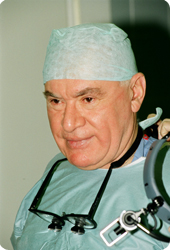
Leo A. Bockeria, MD, PhD, DSc, Professor, Academician of Russian Academy of Sciences, President of Bakoulev National Medical Research Center for Cardiovascular Surgery
Sort by
Antiplatelet therapy in patients with coronary artery disease undergoing elective coronary artery bypass grafting: real clinical practice against standards

Authors:
Company:
Bakoulev National Medical Research Center for Cardiovascular Surgery, Moscow, Russian Federation
E-mail: Сведения доступны для зарегистрированных пользователей.
DOI:
UDC: 615.273.55+616.12-005.4-089.843
Link: Clinical Physiology of Blood Circulaiton. 2022; 4 (19): 291-301
Quote as: Gvalia S.L., Buziashvili Yu.I., Grishenok A.V. Antiplatelet therapy in patients with coronary artery disease undergoing elective coronary artery bypass grafting: real clinical practice against standards. Clinical Physiology of Circulation. 2022; 19 (4): 291–301 (in Russ.). DOI: 10.24022/1814-6910-2022-19-4-291-301
Received / Accepted: 08.11.2022 / 21.12.2022
DownloadAbstract
This review of the literature highlights the fundamental problems of the immediate and long-term postoperative period of coronary artery bypass grafting (CABG) and outlines considerations for new ways to optimize secondary prevention and prognosis. As is known, the most common major negative outcomes of CABG include, on the one hand, thrombotic complications underlying the bypass dysfunction, and, on the other hand, hemorrhagic complications. They are mainly associated with deviations of the hemorheological properties of the blood, and platelets play a key role in this. Accordingly, the main focus of discussions is on the perioperative use of antiplatelet agents. If for patients in acute pathology there is a wellestablished consensus recommendation for the mandatory appointment of DAPT at the earliest stages of CABG, then for patients with stable forms of coronary artery disease, due to the limited clinical data, things are different. Today it is impossible not to notice a number of problems associated with the triviality of the therapeutic approach to these patients. The current situation forces us to recognize the prospects of developing new approaches to making a clinical decision regarding antiplatelet therapy (APT). In particular, a personalized approach based on monitoring the effectiveness and safety of APT seems to be a very reasonable concept. In particular, a personalized approach based on monitoring the effectiveness and safety of APT seems to be a very reasonable concept.References
- Puskas J.D., Williams W.H., Mahoney E.M., Huber P.R., Block P.C., Duke P.G. et al. Off-pump vs conventional coronary artery bypass grafting: early and 1-year graft patency, cost, and quality-of-life outcomes: a randomized trial. JAMA. 2004; 291 (15): 1841–9. DOI: 10.1001/jama.291.15.1841
- Бокерия Л.А., Алекян Б.Г., Чигогидзе Н.А., Закарян Н.В., Стаферов А.В., Петросян К.В. и др. Значение интраоперационной шунтографии при хирургической реваскуляризации миокарда. Анналы хирургии. 2015; 2: 16–23.
- Loop F.D., Lytle B.W., Cosgrove D.M., Stewart R.W., Goormastic M., Williams G.W. et al. Influence of the internal-mammary-artery graft on 10-year survival and other cardiac events. N. Engl. J. Med. 1986; 314 (1): 1–6. DOI: 10.1056/NEJM198601023140101
- Fitzgibbon G.M., Kafka H.P., Leach A.J., Keon W.J., Hooper G.D., Burton J.R. Coronary bypass graft fate and patient outcome: angiographic follow-up of 5,065 grafts related to survival and reoperation in 1,388 patients during 25 years. J. Am. Coll. Cardiol. 1996; 28 (3): 616–26. DOI: 10.1016/0735-1097(96)00206-9
- Motwani J.G., Topol E.J. Aortocoronary saphenous vein graft disease: pathogenesis, predisposition, and prevention. Circulation. 1998; 97 (9): 916–31. DOI: 10.1161/01.cir.97.9.916
- Kamel H., Johnston S.C., Kirkham J.C., Turner C.G., Kizer J.R., Devereux R.B. et al. Association between major perioperative hemorrhage and stroke or Q-wave myocardial infarction. Circulation. 2012; 126 (2): 207–12. DOI: 10.1161/CIRCULATIONAHA.112.094326
- Hajjar L.A., Vincent J.L., Galas F.R., Nakamura R.E., Silva C.M., Santos M.H. et al. Transfusion requirements after cardiac surgery: the TRACS randomized controlled trial. JAMA. 2010; 304 (14): 1559–67. DOI: 10.1001/jama.2010.1446
- Biancari F., Mikkola R., Heikkinen J., Lahtinen J., Airaksinen K.E., Juvonen T. Estimating the risk of complications related to re-exploration for bleeding after adult cardiac surgery: a systematic review and meta-analysis. Eur. J. Cardiothorac. Surg. 2012; 41 (1): 50–5. DOI: 10.1016/j.ejcts.2011.04.023
- Paparella D., Brister S.J., Buchanan M.R. Coagulation disorders of cardiopulmonary bypass: a review. Intensive Care Med. 2004; 30 (10): 1873–81. DOI: 10.1007/s00134-004-2388-0
- Alghamdi A.A., Moussa F., Fremes S.E. Does the use of preoperative aspirin increase the risk of bleeding in patients undergoing coronary artery bypass grafting surgery? Systematic review and meta-analysis. J. Card. Surg. 2007; 22 (3): 247–56. DOI: 10.1111/j.1540- 8191.2007.00402.x
- Чернявский А.М., Кургузов А.В., Лукинов В.Л. Оценка безопасности применения аспирина при операциях аортокоронарного шунтирования. Российский кардиологический журнал. 2017; 8 (148): 96–101. DOI: 10.15829/1560-4071-2017-8-96-101
- Aboul-Hassan S.S., Stankowski T., Marczak J., Peksa M., Nawotka M., Stanislawski R. et al. The use of preoperative aspirin in cardiac surgery: A systematic review and meta-analysis. J. Card. Surg. 2017; 32 (12): 758–74. DOI: 10.1111/jocs.13250
- Valgimigli M., Bueno H., Byrne R.A., Collet J.P., Costa F., Jeppsson A. et al. 2017 ESC focused update on dual antiplatelet therapy in coronary artery disease developed in collaboration with EACTS: The Task Force for dual antiplatelet therapy in coronary artery disease of the European Society of Cardiology (ESC) and of the European Association for Cardio-Thoracic Surgery (EACTS). Eur. Heart J. 2018; 39 (3): 213–60. DOI: 10.1093/eurheartj/ehx419
- Моисеев С.В. Эволюция антитромбоцитарной терапии: вчера, сегодня и завтра. Клиническая фармакология и терапия. 2013; 22 (3): 12–9.
- Fox K.A., Mehta S.R., Peters R., Zhao F., Lakkis N., Gersh B.J. et al. Benefits and risks of the combination of clopidogrel and aspirin in patients undergoing surgical revascularization for non-ST-elevation acute coronary syndrome: the Clopidogrel in Unstable angina to prevent Recurrent ischemic Events (CURE) Trial. Circulation. 2004; 110 (10): 1202–8. DOI: 10.1161/01.CIR.0000140675.85342.1B
- Held C., Asenblad N., Bassand J.P., Becker R.C., Cannon C.P., Claeys M.J. et al. Ticagrelor versus clopidogrel in patients with acute coronary syndromes undergoing coronary artery bypass surgery: results from the PLATO (Platelet Inhibition and Patient Outcomes) trial. J. Am. Coll. Cardiol. 2011; 57 (6): 672–84. DOI: 10.1016/j.jacc.2010.10.029
- Smith P.K., Goodnough L.T., Levy J.H., Poston R.S., Short M.A., Weerakkody G.J. et al. Mortality benefit with prasugrel in the TRITON-TIMI 38 coronary artery bypass grafting cohort: risk-adjusted retrospective data analysis. J. Am. Coll. Cardiol. 2012; 60 (5): 388–96. DOI: 10.1016/j.jacc.2012.03.030
- Hansson E.C., Jidéus L., Åberg B., Bjursten H., Dreifaldt M., Holmgren A. et al. Coronary artery bypass grafting-related bleeding complications in patients treated with ticagrelor or clopidogrel: a nationwide study. Eur. Heart J. 2016; 37 (2): 189–97. DOI: 10.1093/eurheartj/ehv381
- Björklund E., Malm C.J., Nielsen S.J., Hansson E.C., Tygesen H., Romlin B.S. et al. Comparison of midterm outcomes associated with aspirin and ticagrelor vs aspirin monotherapy after coronary artery bypass grafting for acute coronary syndrome. JAMA Network Open. 2021; 4 (8): e2122597. DOI: 10.1001/jamanetworkopen.2021.22597
- Pickard A.S., Becker R.C., Schumock G.T., Frye C.B. Clopidogrel-associated bleeding and related complications in patients undergoing coronary artery bypass grafting. Pharmacotherapy. 2008; 28 (3): 376–92. DOI: 10.1592/phco.28.3.376
- Purkayastha S., Athanasiou T., Malinovski V., Tekkis P., Foale R., Casula R. et al. Does clopidogrel affect outcome after coronary artery bypass grafting? A metaanalysis. Heart. 2006; 92 (4): 531–2. DOI: 10.1136/hrt.2004.058396
- DeStephan C.M., Schneider D.J. Antiplatelet therapy for patients undergoing coronary artery bypass surgery. Kardiol. Pol. 2018; 76 (6): 945–52. DOI: 10.5603/KP.a 2018.0111
- Levine G.N., Bates E.R., Bittl J.A., Brindis R.G., Fihn S.D., Fleisher L.A. et al. 2016 ACC/AHA Guideline focused update on duration of dual antiplatelet therapy in patients with coronary artery disease: a report of the American College of Cardiology/American Heart Association task force on clinical practice guidelines. J. Am. Coll. Cardiol. 2016; 68 (10): 1082–115. DOI: 10.1016/j.jacc.2016.03.513
- Collet J.P., Thiele H., Barbato E., Barthélémy O., Bauersachs J., Bhatt D.L. et al. 2020 ESC Guidelines for the management of acute coronary syndromes in patients presenting without persistent ST-segment elevation. Eur. Heart J. 2021; 42 (14): 1289–367. DOI: 10.1093/eurheartj/ehaa575
- Ding Q., Liu H., Zhang Z., Goldhammer J., Yuen E., Li Z. et al. Perioperative aspirin and long-term survival in patients undergoing coronary artery bypass graft. Sci. Rep. 2018; 8 (1): 17051. DOI: 10.1038/s41598-018-35208-7
- Mangano D.T. Multicenter study of perioperative ischemia research group. Aspirin and mortality from coronary bypass surgery. N. Engl. J. Med. 2002; 347 (17): 1309–17. DOI: 10.1056/NEJMoa020798
- Verma S., Goodman S.G., Mehta S.R., Latter D.A., Ruel M., Gupta M. et al. Should dual antiplatelet therapy be used in patients following coronary artery bypass surgery? A meta-analysis of randomized controlled trials. BMC Surg. 2015; 15: 112. DOI: 10.1186/s12893-015-0096-z
- Hess N.R., Sultan I., Wang Y., Thoma F., Kilic A. Comparison of aspirin monotherapy versus dual antiplatelet therapy following coronary artery bypass grafting. Am. J. Cardiol. 2021; 148: 44–52. DOI: 10.1016/j.amjcard. 2021.02.026
- Agarwal N., Mahmoud A.N., Patel N.K., Jain A., Garg J., Mojadidi M.K. et al. Meta-analysis of aspirin versus dual antiplatelet therapy following coronary artery bypass grafting. Am. J. Cardiol. 2018; 121 (1): 32–40. DOI: 10.1016/j.amjcard.2017.09.022
- Cardoso R., Knijnik L., Whelton S.P., Rivera M., Gluckman T.J., Metkus T.S. et al. Dual versus single antiplatelet therapy after coronary artery bypass graft surgery: An updated meta-analysis. Int. J. Cardiol. 2018; 269: 80–8. DOI: 10.1016/j.ijcard.2018.07.083
- Qu J., Zhang H., Rao C., Chen S., Zhao Y., Sun H. et al. Dual antiplatelet therapy with clopidogrel and aspirin versus aspirin monotherapy in patients undergoing coronary artery bypass graft surgery. J. Am. Heart Assoc. 2021; 10 (11): e020413. DOI: 10.1161/JAHA.120.020413
- Kurlansky P.A. Is there a hypercoagulable state after off-pump coronary artery bypass surgery? What do we know and what can we do? J. Thorac. Cardiovasc. Surg. 2003; 126 (1): 7–10. DOI: 10.1016/s0022-5223(02)73472-7
- Пак Н.Л., Голухова Е.З., Самсонова Н.Н., Мерзляков В.Ю., Климович Л.Г., Рябинина М.Н. и др. Состояние системы гемостаза у больных ишемической болезнью сердца после операции реваскуляризации миокарда, выполненной в условиях искусственного кровообращения и на работающем сердце. Креативная кардиология. 2011; (2): 60–70.
- Kim K.B., Lim C., Lee C., Chae I.H., Oh B.H., Lee M.M. et al. Off-pump coronary artery bypass may decrease the patency of saphenous vein grafts. Ann. Thorac. Surg. 2001; 72 (3): S1033–7. DOI: 10.1016/s0003-4975(01)02946-0
- Gundry S.R., Romano M.A., Shattuck O.H., Razzouk A.J., Bailey L.L. Seven-year follow-up of coronary artery bypasses performed with and without cardiopulmonary bypass. J. Thorac. Cardiovasc. Surg. 1998; 115 (6): 1273-7; discussion 1277–8. DOI: 10.1016/S0022-5223(98)70209-0
- Mannacio V.A., Di Tommaso L., Antignan A., De Amicis V., Vosa C. Aspirin plus clopidogrel for optimal platelet inhibition following off-pump coronary artery bypass surgery: results from the CRYSSA (prevention of Coronary arteRY bypaSS occlusion After off-pump procedures) randomised study. Heart. 2012; 98 (23): 1710–5. DOI: 10.1136/heartjnl-2012-302449
- Бузиашвили Ю.И., Кокшенева И.В., Самсонова Н.Н., Абуков С.Т., Бузиашвили В.Ю., Климович Л.Г. Динамика уровня факторов воспалительной реакции в раннем послеоперационном периоде при различных методиках коронарного шунтирования. Кардиология и сердечно-сосудистая хирургия. 2015; 8 (1): 4–11. DOI: 10.17116/kardio2015814-11
- Giles H., Smith R.E., Martin J.F. Platelet glycoprotein IIb-IIIa and size are increased in acute myocardial infarction. Eur. J. Clin. Invest. 1994; 24 (1): 69–72. DOI: 10.1111/j.1365-2362.1994.tb02062.x
- Мазуров А.В. Оборот тромбоцитов и атеротромбоз. Атеротромбоз. 2017; (2): 131–41. DOI: 10.21518/2307-1109-2017-2-131-141
- Guthikonda S., Lev E.I., Patel R., DeLao T., Bergeron A.L., Dong J.F. et al. Reticulated platelets and uninhibited COX-1 and COX-2 decrease the antiplatelet effects of aspirin. J. Thromb. Haemost. 2007; 5 (3): 490–6. DOI: 10.1111/j.1538-7836.2007.02387.x
- Бокарев И.Н., Попова Л.В. Резистентность к антитромбоцитарным препаратам. Сердце: журнал для практикующих врачей. 2012; 11 (2): 103–7.
- Petricevic M., Kopjar T., Gasparovic H., Milicic D., Svetina L., Zdilar B. et al. Impact of aspirin resistance on outcomes among patients following coronary artery bypass grafting: exploratory analysis from randomized controlled trial (NCT01159639). J. Thromb. Thrombolysis. 2015; 39 (4): 522–31. DOI: 10.1007/s11239-014-1127-9
- Cazenave J.P., Gachet C. Anti-platelet drugs: do they affect megakaryocytes? Baillieres Clin. Haematol. 1997; 10 (1): 163–80. DOI: 10.1016/s0950-3536(97)80056-x
- Van Poucke S., Stevens K., Wetzels R., Kicken C., Verhezen P., Theunissen M. et al. Early platelet recovery following cardiac surgery with cardiopulmonary bypass. Platelets. 2016; 27 (8): 751–7. DOI: 10.3109/09537104.2016.1173665
- Ivert T., Dalén M., Ander C., Stålesen R., Lordkipanidzé M., Hjemdahl P. Increased platelet reactivity and platelet-leukocyte aggregation after elective coronary bypass surgery. Platelets. 2019; 30 (8): 975–81. DOI: 10.1080/09537104.2018.1542122
- Storey R.F., Bliden K.P., Ecob R., Karunakaran A., Butler K., Wei C. et al. Earlier recovery of platelet function after discontinuation of treatment with ticagrelor compared with clopidogrel in patients with high antiplatelet responses. J. Thromb. Haemost. 2011; 9 (9): 1730–7. DOI: 10.1111/j.1538-7836.2011.04419.x
- Price M.J., Walder J.S., Baker B.A., Heiselman D.E., Jakubowski J.A., Logan D.K. et al. Recovery of platelet function after discontinuation of prasugrel or clopidogrel maintenance dosing in aspirin-treated patients with stable coronary disease: the recovery trial. J. Am. Coll. Cardiol. 2012; 59 (25): 2338–43. DOI: 10.1016/j.jacc.2012.02.042
- Mahla E., Suarez T.A., Bliden K.P., Rehak P., Metzler H., Sequeira A.J. et al. Platelet function measurement-based strategy to reduce bleeding and waiting time in clopidogrel-treated patients undergoing coronary artery bypass graft surgery: the timing based on platelet function strategy to reduce clopidogrel-associated bleeding related to CABG (TARGET-CABG) study. Circ. Cardiovasc. Interv. 2012; 5 (2): 261–9. DOI: 10.1161/CIRCINTERVENTIONS.111.967208
- Mannacio V., Meier P., Antignano A., Di Tommaso L., De Amicis V., Vosa C. Individualized strategy for clopidogrel suspension in patients undergoing off-pump coronary surgery for acute coronary syndrome: a casecontrol study. J. Thorac. Cardiovasc. Surg. 2014; 148 (4): 1299–306. DOI: 10.1016/j.jtcvs.2013.12.011 51.
- Malm C.J., Hansson E.C., Åkesson J., Andersson M., Hesse C., Shams Hakimi C. et al. Preoperative platelet function predicts perioperative bleeding complications in ticagrelor-treated cardiac surgery patients: a prospective observational study. Br. J. Anaesth. 2016; 117 (3): 309–15. DOI: 10.1093/bja/aew189
- Ranucci M., Colella D., Baryshnikova E., Di Dedda U.; Surgical and Clinical Outcome Research (SCORE) Group. Effect of preoperative P2Y12 and thrombin platelet receptor inhibition on bleeding after cardiac surgery. Br. J. Anaesth. 2014; 113 (6): 970–6. DOI: 10.1093/bja/aeu315
- Ломакин Н.В., Сумароков А.Б., Доценко Ю.В., Учитель И.А., Бурячковская Л.И. Индивидуальный подход к применению антитромбоцитарной терапии. На что опереться в решении? Атеротромбоз. 2017; (2): 70–8. DOI: 10.21518/2307-1109-2017-2-70-78
- Голухова Е.З., Рябинина М.Н. Современные аспекты антиагрегантной терапии. Креативная кардиология. 2013; (1): 46–58.
- Гринштейн Ю.И., Косинова А.А., Гринштейн И.Ю. Контроль антитромбоцитарной терапии: кризис доверия или поиск новых решений? Рациональная фармакотерапия в кардиологии. 2013; 9 (6): 682–9. DOI: 10.20996/1819-6446-2013-9-6-682-689
- Мирзаев К.Б., Андреев Д.А., Сычев Д.А. Оценка агрегации тромбоцитов в клинической практике. Рациональная фармакотерапия в кардиологии. 2015; 11 (1): 85–91. DOI: 10.20996/1819-6446-2015-11-1-85-91
- Kirtane A.J., Parikh P.B., Stuckey T.D., Xu K., Witzenbichler B., Weisz G. et al. Is There an Ideal Level of Platelet P2Y12-Receptor Inhibition in Patients Undergoing Percutaneous Coronary Intervention?: "Window" Analysis From the ADAPT-DES Study (Assessment of Dual AntiPlatelet Therapy With DrugEluting Stents). JACC Cardiovasc. Interv. 2015; 8 (15): 1978–87. DOI: 10.1016/j.jcin.2015.08.032
- Aradi D., Kirtane A., Bonello L., Gurbel P.A., Tantry U.S., Huber K. et al. Bleeding and stent thrombosis on P2Y12-inhibitors: collaborative analysis on the role of platelet reactivity for risk stratification after percutaneous coronary intervention. Eur. Heart J. 2015; 36 (27): 1762–71. DOI: 10.1093/eurheartj/ehv104
- Бузиашвили Ю.И., Ахмедярова Л.Б., Иошина В.И., Самсонова Н.Н., Климович Л.Г., Фокина Н.С. и др. Пути решения актуальной клинической задачи: к вопросу о «резистентности» к антиагрегантной терапии. Сердечно-сосудистые заболевания. Бюллетень НЦССХ им. А.Н. Бакулева РАМН. 2010; 11 (6): 24–32.
- Puskas J.D., Williams W.H., Mahoney E.M., Huber P.R., Block P.C., Duke P.G. et al. Off-pump vs conventional coronary artery bypass grafting: early and 1-year graft patency, cost, and quality-of-life outcomes: a randomized trial. JAMA. 2004; 291 (15): 1841–9. DOI: 10.1001/jama.291.15.1841
- Bockeria L.A., Alekyan B.G., Chigogidze N.A., Zakaryan N.V., Staferov A.V., Petrosyan K.V. et al. The importance of intraoperative angiography in surgical myocardical revascularization. Annaly khirurgii. 2015; 2: 16–23 (in Russ.).
- Loop F.D., Lytle B.W., Cosgrove D.M., Stewart R.W., Goormastic M., Williams G.W. et al. Influence of the internal-mammary-artery graft on 10-year survival and other cardiac events. N. Engl. J. Med. 1986; 314 (1): 1–6. DOI: 10.1056/NEJM198601023140101
- Fitzgibbon G.M., Kafka H.P., Leach A.J., Keon W.J., Hooper G.D., Burton J.R. Coronary bypass graft fate and patient outcome: angiographic follow-up of 5,065 grafts related to survival and reoperation in 1,388 patients during 25 years. J. Am. Coll. Cardiol. 1996; 28 (3): 616–26. DOI: 10.1016/0735-1097(96)00206-9
- Motwani J.G., Topol E.J. Aortocoronary saphenous vein graft disease: pathogenesis, predisposition, and prevention. Circulation. 1998; 97 (9): 916–31. DOI: 10.1161/01.cir.97.9.916
- Kamel H., Johnston S.C., Kirkham J.C., Turner C.G., Kizer J.R., Devereux R.B. et al. Association between major perioperative hemorrhage and stroke or Q-wave myocardial infarction. Circulation. 2012; 126 (2): 207–12. DOI: 10.1161/CIRCULATIONAHA.112.094326
- Hajjar L.A., Vincent J.L., Galas F.R., Nakamura R.E., Silva C.M., Santos M.H. et al. Transfusion requirements after cardiac surgery: the TRACS randomized controlled trial. JAMA. 2010; 304 (14): 1559–67. DOI: 10.1001/jama.2010.1446
- Biancari F., Mikkola R., Heikkinen J., Lahtinen J., Airaksinen K.E., Juvonen T. Estimating the risk of complications related to re-exploration for bleeding after adult cardiac surgery: a systematic review and meta-analysis. Eur. J. Cardiothorac. Surg. 2012; 41 (1): 50–5. DOI: 10.1016/j.ejcts.2011.04.023
- Paparella D., Brister S.J., Buchanan M.R. Coagulation disorders of cardiopulmonary bypass: a review. Intensive Care Med. 2004; 30 (10): 1873–81. DOI: 10.1007/s00134-004-2388-0
- Alghamdi A.A., Moussa F., Fremes S.E. Does the use of preoperative aspirin increase the risk of bleeding in patients undergoing coronary artery bypass grafting surgery? Systematic review and meta-analysis. J. Card. Surg. 2007; 22 (3): 247–56. DOI: 10.1111/j.1540- 8191.2007.00402.x
- Chernyavsky А.М., Kurguzov А.V., Lukinov V.L. The importance of intraoperative angiography in surgical myocardical revascularization. Russ. J. Cardiol. 2017; 8 (148): 96–101 (in Russ.). DOI: 10.15829/1560-4071- 2017-8-96-101
- Aboul-Hassan S.S., Stankowski T., Marczak J., Peksa M., Nawotka M., Stanislawski R. et al. The use of preoperative aspirin in cardiac surgery: A systematic review and meta-analysis. J. Card. Surg. 2017; 32 (12): 758–74. DOI: 10.1111/jocs.13250
- Valgimigli M., Bueno H., Byrne R.A., Collet J.P., Costa F., Jeppsson A. et al. 2017 ESC focused update on dual antiplatelet therapy in coronary artery disease developed in collaboration with EACTS: The Task Force for dual antiplatelet therapy in coronary artery disease of the European Society of Cardiology (ESC) and of the European Association for Cardio-Thoracic Surgery (EACTS). Eur. Heart J. 2018; 39 (3): 213–60. DOI: 10.1093/eurheartj/ehx419
- Moiseev S.V. Evolution of dual antiplatelet treatment: yesterday, today and tomorrow. Clinical Pharmacology and Therapy. 2013; 22 (3): 12–9 (in Russ.).
- Fox K.A., Mehta S.R., Peters R., Zhao F., Lakkis N., Gersh B.J. et al. Benefits and risks of the combination of clopidogrel and aspirin in patients undergoing surgical revascularization for non-ST-elevation acute coronary syndrome: the Clopidogrel in Unstable angina to prevent Recurrent ischemic Events (CURE) Trial. Circulation. 2004; 110 (10): 1202–8. DOI: 10.1161/01.CIR.0000140675.85342.1B
- Held C., Asenblad N., Bassand J.P., Becker R.C., Cannon C.P., Claeys M.J. et al. Ticagrelor versus clopidogrel in patients with acute coronary syndromes undergoing coronary artery bypass surgery: results from the PLATO (Platelet Inhibition and Patient Outcomes) trial. J. Am. Coll. Cardiol. 2011; 57 (6): 672–84. DOI: 10.1016/j.jacc.2010.10.029
- Smith P.K., Goodnough L.T., Levy J.H., Poston R.S., Short M.A., Weerakkody G.J. et al. Mortality benefit with prasugrel in the TRITON-TIMI 38 coronary artery bypass grafting cohort: risk-adjusted retrospective data analysis. J. Am. Coll. Cardiol. 2012; 60 (5): 388–96. DOI: 10.1016/j.jacc.2012.03.030
- Hansson E.C., Jidéus L., Åberg B., Bjursten H., Dreifaldt M., Holmgren A. et al. Coronary artery bypass grafting-related bleeding complications in patients treated with ticagrelor or clopidogrel: a nationwide study. Eur. Heart J. 2016; 37 (2): 189–97. DOI: 10.1093/eurheartj/ehv381
- Björklund E., Malm C.J., Nielsen S.J., Hansson E.C., Tygesen H., Romlin B.S. et al. Comparison of midterm outcomes associated with aspirin and ticagrelor vs aspirin monotherapy after coronary artery bypass grafting for acute coronary syndrome. JAMA Network Open. 2021; 4 (8): e2122597. DOI: 10.1001/jamanetworkopen.2021.22597
- Pickard A.S., Becker R.C., Schumock G.T., Frye C.B. Clopidogrel-associated bleeding and related complications in patients undergoing coronary artery bypass grafting. Pharmacotherapy. 2008; 28 (3): 376–92. DOI: 10.1592/phco.28.3.376
- Purkayastha S., Athanasiou T., Malinovski V., Tekkis P., Foale R., Casula R. et al. Does clopidogrel affect outcome after coronary artery bypass grafting? A metaanalysis. Heart. 2006; 92 (4): 531–2. DOI: 10.1136/hrt.2004.058396
- DeStephan C.M., Schneider D.J. Antiplatelet therapy for patients undergoing coronary artery bypass surgery. Kardiol. Pol. 2018; 76 (6): 945–52. DOI: 10.5603/KP.a 2018.0111
- Levine G.N., Bates E.R., Bittl J.A., Brindis R.G., Fihn S.D., Fleisher L.A. et al. 2016 ACC/AHA Guideline focused update on duration of dual antiplatelet therapy in patients with coronary artery disease: a report of the American College of Cardiology/American Heart Association task force on clinical practice guidelines. J. Am. Coll. Cardiol. 2016; 68 (10): 1082–115. DOI: 10.1016/j.jacc.2016.03.513
- Collet J.P., Thiele H., Barbato E., Barthélémy O., Bauersachs J., Bhatt D.L. et al. 2020 ESC Guidelines for the management of acute coronary syndromes in patients presenting without persistent ST-segment elevation. Eur. Heart J. 2021; 42 (14): 1289–367. DOI: 10.1093/eurheartj/ehaa575
- Ding Q., Liu H., Zhang Z., Goldhammer J., Yuen E., Li Z. et al. Perioperative aspirin and long-term survival in patients undergoing coronary artery bypass graft. Sci. Rep. 2018; 8 (1): 17051. DOI: 10.1038/s41598-018-35208-7
- Mangano D.T. Multicenter study of perioperative ischemia research group. Aspirin and mortality from coronary bypass surgery. N. Engl. J. Med. 2002; 347 (17): 1309–17. DOI: 10.1056/NEJMoa020798
- Verma S., Goodman S.G., Mehta S.R., Latter D.A., Ruel M., Gupta M. et al. Should dual antiplatelet therapy be used in patients following coronary artery bypass surgery? A meta-analysis of randomized controlled trials. BMC Surg. 2015; 15: 112. DOI: 10.1186/s12893-015-0096-z
- Hess N.R., Sultan I., Wang Y., Thoma F., Kilic A. Comparison of aspirin monotherapy versus dual antiplatelet therapy following coronary artery bypass grafting. Am. J. Cardiol. 2021; 148: 44–52. DOI: 10.1016/j.amjcard. 2021.02.026
- Agarwal N., Mahmoud A.N., Patel N.K., Jain A., Garg J., Mojadidi M.K. et al. Meta-analysis of aspirin versus dual antiplatelet therapy following coronary artery bypass grafting. Am. J. Cardiol. 2018; 121 (1): 32–40. DOI: 10.1016/j.amjcard.2017.09.022
- Cardoso R., Knijnik L., Whelton S.P., Rivera M., Gluckman T.J., Metkus T.S. et al. Dual versus single antiplatelet therapy after coronary artery bypass graft surgery: An updated meta-analysis. Int. J. Cardiol. 2018; 269: 80–8. DOI: 10.1016/j.ijcard.2018.07.083
- Qu J., Zhang H., Rao C., Chen S., Zhao Y., Sun H. et al. Dual antiplatelet therapy with clopidogrel and aspirin versus aspirin monotherapy in patients undergoing coronary artery bypass graft surgery. J. Am. Heart Assoc. 2021; 10 (11): e020413. DOI: 10.1161/JAHA.120.020413
- Kurlansky P.A. Is there a hypercoagulable state after off-pump coronary artery bypass surgery? What do we know and what can we do? J. Thorac. Cardiovasc. Surg. 2003; 126 (1): 7–10. DOI: 10.1016/s0022-5223(02)73472-7
- Pak N.L., Golukhova E.Z., Samsonova N.N., Merzlyakov V.U., Klimovich L.G., Ryabinina M.N. et al. Activation of coagulation in patients with ischemic heart disease, undergoing coronary artery bypass grafting with cardiopulmonary bypass or оff-pump coronary artery bypass. Creative Cardiology. 2011; (2): 60–70 (in Russ.).
- Kim K.B., Lim C., Lee C., Chae I.H., Oh B.H., Lee M.M. et al. Off-pump coronary artery bypass may decrease the patency of saphenous vein grafts. Ann. Thorac. Surg. 2001; 72 (3): S1033–7. DOI: 10.1016/s0003-4975(01)02946-0
- Gundry S.R., Romano M.A., Shattuck O.H., Razzouk A.J., Bailey L.L. Seven-year follow-up of coronary artery bypasses performed with and without cardiopulmonary bypass. J. Thorac. Cardiovasc. Surg. 1998; 115 (6): 1273-7; discussion 1277–8. DOI: 10.1016/S0022-5223(98)70209-0
- Mannacio V.A., Di Tommaso L., Antignan A., De Amicis V., Vosa C. Aspirin plus clopidogrel for optimal platelet inhibition following off-pump coronary artery bypass surgery: results from the CRYSSA (prevention of Coronary arteRY bypaSS occlusion After off-pump procedures) randomised study. Heart. 2012; 98 (23): 1710–5. DOI: 10.1136/heartjnl-2012-302449
- Buziashvili Iu.I., Koksheneva I.V., Samsonova N.N., Abukov S.T., Buziashvili V.Yu., Klimovich L.G. The dynamics of inflammatory factors in the early postoperative period after various techniques of coronary artery bypass grafting. Russian Journal of Cardiology and Cardiovascular Surgery. 2015; 8 (1): 4–11 (in Russ.). DOI: 10.17116/kardio2015814-11.
- Jakubowski J.A., Thompson C.B., Vaillancourt R., Valeri C.R., Deykin D. Arachidonic acid metabolism by platelets of differing size. Br. J. Haematol. 1983; 53 (3): 503–11. DOI: 10.1111/j.1365-2141.1983.tb02052.x
- Giles H., Smith R.E., Martin J.F. Platelet glycoprotein IIb-IIIa and size are increased in acute myocardial infarction. Eur. J. Clin. Invest. 1994; 24 (1): 69–72. DOI: 10.1111/j.1365-2362.1994.tb02062.x
- Mazurov A.V. Platelet turnover and atherothrombosis. Aterotromboz. 2017; (2): 131–41 (in Russ.). DOI: 10.21518/2307-1109-2017-2-131-141
- Guthikonda S., Lev E.I., Patel R., DeLao T., Bergeron A.L., Dong J.F. et al. Reticulated platelets and uninhibited COX-1 and COX-2 decrease the antiplatelet effects of aspirin. J. Thromb. Haemost. 2007; 5 (3): 490–6. DOI: 10.1111/j.1538-7836.2007.02387.x
- Bokarev I.N., Popova L.V. Resistance to antiplatelet drugs. Heart: a journal for practitioners. 2012; 11 (2): 103–7 (in Russ.).
- Petricevic M., Kopjar T., Gasparovic H., Milicic D., Svetina L., Zdilar B. et al. Impact of aspirin resistance on outcomes among patients following coronary artery bypass grafting: exploratory analysis from randomized controlled trial (NCT01159639). J. Thromb. Thrombolysis. 2015; 39 (4): 522–31. DOI: 10.1007/s11239-014-1127-9
- Cazenave J.P., Gachet C. Anti-platelet drugs: do they affect megakaryocytes? Baillieres Clin. Haematol. 1997; 10 (1): 163–80. DOI: 10.1016/s0950-3536(97)80056-x
- Van Poucke S., Stevens K., Wetzels R., Kicken C., Verhezen P., Theunissen M. et al. Early platelet recovery following cardiac surgery with cardiopulmonary bypass. Platelets. 2016; 27 (8): 751–7. DOI: 10.3109/09537104.2016.1173665
- Ivert T., Dalén M., Ander C., Stålesen R., Lordkipanidzé M., Hjemdahl P. Increased platelet reactivity and platelet-leukocyte aggregation after elective coronary bypass surgery. Platelets. 2019; 30 (8): 975–81. DOI: 10.1080/09537104.2018.1542122
- Storey R.F., Bliden K.P., Ecob R., Karunakaran A., Butler K., Wei C. et al. Earlier recovery of platelet function after discontinuation of treatment with ticagrelor compared with clopidogrel in patients with high antiplatelet responses. J. Thromb. Haemost. 2011; 9 (9): 1730–7. DOI: 10.1111/j.1538-7836.2011.04419.x
- Price M.J., Walder J.S., Baker B.A., Heiselman D.E., Jakubowski J.A., Logan D.K. et al. Recovery of platelet function after discontinuation of prasugrel or clopidogrel maintenance dosing in aspirin-treated patients with stable coronary disease: the recovery trial. J. Am. Coll. Cardiol. 2012; 59 (25): 2338–43. DOI: 10.1016/j.jacc.2012.02.042
- Mahla E., Suarez T.A., Bliden K.P., Rehak P., Metzler H., Sequeira A.J. et al. Platelet function measurement-based strategy to reduce bleeding and waiting time in clopidogrel-treated patients undergoing coronary artery bypass graft surgery: the timing based on platelet function strategy to reduce clopidogrel-associated bleeding related to CABG (TARGET-CABG) study. Circ. Cardiovasc. Interv. 2012; 5 (2): 261–9. DOI: 10.1161/CIRCINTERVENTIONS.111.967208
- Mannacio V., Meier P., Antignano A., Di Tommaso L., De Amicis V., Vosa C. Individualized strategy for clopidogrel suspension in patients undergoing off-pump coronary surgery for acute coronary syndrome: a casecontrol study. J. Thorac. Cardiovasc. Surg. 2014; 148 (4): 1299–306. DOI: 10.1016/j.jtcvs.2013.12.011 51.
- Malm C.J., Hansson E.C., Åkesson J., Andersson M., Hesse C., Shams Hakimi C. et al. Preoperative platelet function predicts perioperative bleeding complications in ticagrelor-treated cardiac surgery patients: a prospective observational study. Br. J. Anaesth. 2016; 117 (3): 309–15. DOI: 10.1093/bja/aew189
- Ranucci M., Colella D., Baryshnikova E., Di Dedda U.; Surgical and Clinical Outcome Research (SCORE) Group. Effect of preoperative P2Y12 and thrombin platelet receptor inhibition on bleeding after cardiac surgery. Br. J. Anaesth. 2014; 113 (6): 970–6. DOI: 10.1093/bja/aeu315
- Lomakin N.V., Sumarokov A.B., Dotsenko Yu.V., Uchitel I.A., Buryachkovskaya L.I. Individual Approach to patients with indication for antiplatelet therapy. What to rely on in choosing the therapy? Aterotromboz. 2017; (2): 70–8 (in Russ.). DOI: 10.21518/2307-1109- 2017-2-70-78
- Golukhova E.Z., Ryabinina M.N. Current aspects of antiplatelet therapy. Creative Cardiology. 2013; (1): 46–58 (in Russ.).
- Grinshtein Yu.I., Kosinova A.A., Grinshtein I.Yu. Antiplatelet therapy control: credibility gap or search for the decisions? Rational Pharmacotherapy in Cardiology. 2013; 9 (6): 682–9 (in Russ.). DOI: 10.20996/1819- 6446-2013-9-6-682-689
- Mirzaev K.B., Andreev D.A., Sychev D.A. Evaluation of platelet aggregation in clinical practice. Rational Pharmacotherapy in Cardiology. 2015; 11 (1): 85–91 (in Russ.). DOI: 10.20996/1819-6446-2015-11-1-85-91
- Kirtane A.J., Parikh P.B., Stuckey T.D., Xu K., Witzenbichler B., Weisz G. et al. Is There an Ideal Level of Platelet P2Y12-Receptor Inhibition in Patients Undergoing Percutaneous Coronary Intervention?: "Window" Analysis From the ADAPT-DES Study (Assessment of Dual AntiPlatelet Therapy With DrugEluting Stents). JACC Cardiovasc. Interv. 2015; 8 (15): 1978–87. DOI: 10.1016/j.jcin.2015.08.032
- Aradi D., Kirtane A., Bonello L., Gurbel P.A., Tantry U.S., Huber K. et al. Bleeding and stent thrombosis on P2Y12-inhibitors: collaborative analysis on the role of platelet reactivity for risk stratification after percutaneous coronary intervention. Eur. Heart J. 2015; 36 (27): 1762–71. DOI: 10.1093/eurheartj/ehv104
- Buziashvili Yu.I., Akhmedyarova L.B., Ioshina V.I., Samsonova N.N., Klimovich L.G., Fokina N.S. et al. Ways to solve an urgent clinical problem: to the question of "resistance" to antiplatelet therapy. The Bulletin of Bakoulev Center. Cardiovascular Diseases. 2010; 11 (6): 24–32 (in Russ.).
If you found mistakes, select text and press Alt+A