
Научно-практический журнал
«Клиническая физиология кровообращения»
ISSN 1814-6910 (Print)
ISSN 2410-9134 (Online)


Главный редактор
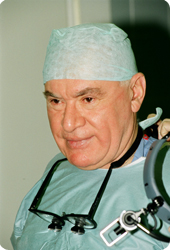
Лео Антонович Бокерия, доктор медицинских наук, профессор, академик РАН и РАМН, президент ФГБУ «НМИЦ ССХ им. А.Н. Бакулева» МЗ РФ
Cортировать по
Генетические основы кардиотоксичности: от механизмов к персонализированной медицине

Авторы:
Организация:
ФГБУ «Национальный медицинский исследовательский центр сердечно-сосудистой хирургии им. А.Н. Бакулева» Минздрава России, Москва, Российская Федерация
Для корреспонденции: Сведения доступны для зарегистрированных пользователей.
Раздел: Обзоры
DOI:
УДК: 616.12-009.3:612.314.2
Библиографическая ссылка: Клиническая физиология кровообращения. 2025; 22 (3): 203-212
Цитировать как: Бузиашвили Ю.И., Мацкеплишвили С.Т., Асымбекова Э.У., Тугеева Э.Ф., Акилджонов Ф.Р. . Генетические основы кардиотоксичности: от механизмов к персонализированной медицине. Клиническая физиология кровообращения. 2025; 22 (3): 203-212. DOI: 10.24022/1814-6910-2025-22-3-203-211
Ключевые слова:
Поступила / Принята к печати: 04.08.2025 / 25.08.2025
Скачать (Download)Аннотация
Развитие эффективных методов противоопухолевой терапии за последние три десятилетия способствовало снижению смертности от онкологических заболеваний. Несмотря на существующие клинические рекомендации, выявление пациентов с высоким риском остается сложной задачей. Генетический скрининг, основанный на генотипе пациента, предлагает более точный метод оценки риска развития кардиотоксичности. Генетические вариации могут помочь определить пациентов с повышенной вероятностью развития кардиотоксичности, открывая новые возможности для понимания ее механизмов и разработки персонализированных подходов к лечению и профилактике. Тем не менее, для внедрения таких методов в клиническую практику необходимы дальнейшие исследования, направленные на уточнение генетических маркеров, разработку алгоритмов стратификации риска и совершенствование методов мониторинга пациентов.Литература
- Бузиашвили Ю.И., Стилиди И.С., Мацкеплишвили С.Т., Асымбекова Э.У., Тугеева Э.Ф., Артамонова Е.В. и др. Сердечно-сосудистые и онкологические заболевания – фокус на модифицируемых факторах риска и современные патогенетические аспекты. Вестник Российской академии медицинских наук. 2023; 78 (2): 132–140. DOI: 10.15690/vramn8359
- Бузиашвили Ю.И., Стилиди И.С., Мацкеплишвили С.Т., Асымбекова Э.У., Тугеева Э.Ф., Артамонова Е.В. и др. Ранняя профилактика кардиотоксичности: фокус на ингибиторы натрий-глюкозного транспортера 2-го типа. Клиническая физиология кровообращения. 2023; 20 (3): 288–299. DOI: 10.24022/1814-6910-2023-20-3-288-299
- Rashed E.R., Margulies K.B. New cardiotoxicity risk assessment guidelines: searching for validation. JACC CardioOncol. 2023; 5 (5): 638–640. DOI: 10.1016/j.jaccao.2023.06.006
- Curigliano G., Lenihan D., Fradley M., Ganatra S., Barac A., Blaes A. et al. Management of cardiac disease in cancer patients throughout oncological treatment: ESMO consensus recommendations. Ann. Oncol. 2020; 31 (2): 171–190. DOI: 10.1016/j.annonc.2019.10.023
- Shim J.V., Xiong Y., Dhanan P., Dariolli R., Azeloglu E.U., Hu B. et al. Predicting individual-specific cardiotoxicity responses induced by tyrosine kinase inhibitors. Front. Pharmacol. 2023; 14: 1158222. DOI: 10.3389/fphar.2023.1158222
- Бузиашвили Ю.И., Асымбекова Э.У., Мацкеплишвили С.Т., Тугеева Э.Ф., Артамонова Е.В., Акилджонов Ф.Р. Динамика эхокардиографических показателей при проведении неоадъювантной химиотерапии у больных раком молочной железы. Креативная кардиология. 2022; 16 (4): 520–532. DOI: 10.24022/1997-3187-2022-16-4-520-532
- Karki R., Pandya D., Elston R.C., Ferlini C. Defining “mutation” and “polymorphism” in the era of personal genomics. BMC Med. Genomics.2015; 8: 37. DOI: 10.1186/s12920-015-0115-z
- Fang X., Wang H., Han D., Xie E., Yang X., Wei J. et al. Ferroptosis as a target for protection against cardiomyopathy. Proc. Natl. Acad. Sci. USA. 2019; 116 (7): 2672–2680. DOI: 10.1073/pnas.1821022116
- Chang V.Y., Wang J.J. Pharmacogenetics of chemotherapy-induced cardiotoxicity. Curr. Oncol. Rep. 2018; 20 (7): 52. DOI: 10.1007/s11912- 018-0696-8
- Wallace K.B., Sardão V.A., Oliveira P.J. Mitochondrial determinants of DOXORUBICIN-INDUCED Cardiomyopathy. Circ. Res. 2020; 126(7): 926–941. DOI: 10.1161/CIRCRESAHA.119.314681
- Pecoraro M., Pinto A., Popolo A. Trastuzumab-induced cardiotoxicity and role of mitochondrial connexin43 in the adaptive response. Toxicol. In. Vitro. 2020; 67: 104926. DOI: 10.1016/j.tiv.2020.104926
- Zhang J.J., Du J., Kong N., Zhang G.Y., Liu M.Z., Liu C. Mechanisms and pharmacological applications of ferroptosis: a narrative review. Ann. Transl. Med. 2021; 9 (19): 1503. DOI: 10.21037/atm-21-1595
- Tocchetti C.G., Farmakis D., Koop Y., Andres M.S., Couch L.S., Formisano L. et al. Cardiovascular toxicities of immune therapies for cancer – a scientific statement of the Heart Failure Association (HFA) of the ESC and the ESC Council of Cardio-Oncology. Eur. J. Heart Fail. 2024; 26 (10): 2055–2076. DOI: 10.1002/ejhf.3340
- Tripaydonis A., Conyers R., Elliott D.A. Pediatric anthracycline-induced cardiotoxicity: mechanisms, pharmacogenomics, and pluripotent stem-cell modeling. Clin. Pharmacol. Ther. 2019; 105 (3): 614–624. DOI: 10.1002/cpt.1311
- Ding Y., Du K., Niu Y.J., Wang Y., Xu X. Genetic susceptibility and mechanisms underlying the pathogenesis of anthracycline-associated cardiotoxicity. Oxid. Med. Cell. Longev. 2022; 2022: 5818612. DOI: 10.1155/2022/5818612
- Park B., Sim S.H., Lee K.S., Kim H.J., Park I.H. Genome-wide association study of genetic variants related to anthracycline-induced cardiotoxicity in early breast cancer. Cancer. Sci. 2020; 111 (7): 2579–2587. DOI: 10.1111/cas.14446
- Sayed N., Ameen M., Wu J.C. Personalized medicine in cardio-oncology: the role of induced pluripotent stem cell. Cardiovasc. Res. 2019; 115 (5): 949–959. DOI: 10.1093/cvr/cvz024
- Antoniadi K., Thomaidis N., Nihoyannopoulos P., Toutouzas K., Gikas E., Kelaidi C. et al. Prognostic factors for cardiotoxicity among children with cancer: definition, causes, and diagnosis with omics technologies. Diagnostics (Basel). 2023; 13 (11): 1864. DOI: 10.3390/ diagnostics13111864
- Magdy T., Jouni M., Kuo H.H., Weddle C.J., Lyra-Leite D., Fonoudi H. et al. Identification of drug transporter genomic variants and inhibitors that protect against doxorubicin-induced cardiotoxicity. Circulation. 2022; 145 (4): 279–294. DOI: 10.1161/CIRCULATIONAHA.121.055801
- Visscher H., Rassekh S.R., Sandor G.S., Caron H.N., van Dalen E.C., Kremer L.C. et al. Genetic variants in SLC22A17 and SLC22A7 are associated with anthracycline-induced cardiotoxicity in children. Pharmacogenomics. 2015; 16 (10): 1065–1076. DOI: 10.2217/pgs.15.61
- Tran D.H., Wang Z.V. Glucose metabolism in cardiac hypertrophy and heart failure. J. Am. Heart Assoc. 2019; 8 (12): e012673. DOI: 10.1161/JAHA.119.012673
- Yuan Y., Fan S., Shu L., Huang W., Xie L., Bi C. et al. Exploration the mechanism of doxorubicin-induced heart failure in rats by integration of proteomics and metabolomics data. Front. Pharmacol. 2020; 11: 600561. DOI: 10.3389/fphar.2020.600561
- Siemens A., Rassekh S.R., Ross C.J., Carleton B. Development of a dose-adjusted polygenic risk model for anthracycline-induced cardiotoxicity. Ther. Drug. Monit. 2023; 45 (3): 337–344. DOI: 10.1097/FTD.0000000000001077
- Singh P., Wang X., Hageman L., Chen Y., Magdy T., Landier W. et al. Association of GSTM1 null variant with anthracycline-related cardiomyopathy after childhood cancer-A Children’s Oncology Group ALTE03N1 report. Cancer. 2020; 126 (17): 4051–4058. DOI: 10.1002/ cncr.32948
- Wang X., Singh P., Zhou L., Sharafeldin N., Landier W., Hageman L. et al. Genome-wide association study identifies ROBO2 as a novel susceptibility gene for anthracycline-related cardiomyopathy in childhood cancer survivors. J. Clin. Oncol. 2023; 41 (9): 1758–1769. DOI: 10.1200/JCO.22.01527
- Wang Y.Z., Cao M.L., Liu Y.W., He Y.Q., Yang C.X., Gao F. CD44 mediates oligosaccharides of hyaluronan-induced proliferation, tube formation and signal transduction in endothelial cells. Exp. Biol. Med. (Maywood). 2011; 236 (1): 84–90. DOI: 10.1258/ebm.2010.010206
- Sapkota Y., Ehrhardt M.J., Qin N., Wang Z., Liu Q., Qiu W. et al. A novel locus on 6p21.2 for cancer treatment-induced cardiac dysfunction among childhood cancer survivors. J. Natl. Cancer. Inst. 2022; 114 (8): 1109–1116. DOI: 10.1093/jnci/djac115
- Lang J.K., Karthikeyan B., Quiñones-Lombraña A., Blair R.H., Early A.P., Levine E. et al. CBR3 V244M is associated with LVEF reduction in breast cancer patients treated with doxorubicin. Cardiooncology. 2021; 7 (1): 17. DOI: 10.1186/s40959-021-00103-0
- Advani P.P., Ruddy K.J., Herrmann J., Ray J.C., Craver E.C., Yothers G. et al. Replication of genetic associations of chemotherapy-related cardiotoxicity in the adjuvant NSABP B-31 clinical trial. Front. Oncol. 2023; 13: 1139347. DOI: 10.3389/fonc.2023.1139347
- Serie D.J., Crook J.E., Necela B.M., Dockter T.J., Wang X., Asmann Y. et al. Genome-wide association study of cardiotoxicity in the NCCTG N9831 (Alliance) adjuvant trastuzumab trial. Pharmacogenet. Genomics. 2017; 27 (10): 378–385. DOI: 10.1097/FPC.0000000000000302
- Aminkeng F., Bhavsar A.P., Visscher H., Rassekh S.R., Li Y., Lee J. et al. A coding variant in RARG confers susceptibility to anthracycline- induced cardiotoxicity in childhood cancer. Nat. Genet. 2015; 47 (9): 1079–1084. DOI: 10.1038/ng.3374
- Garcia-Pavia P., Kim Y., Restrepo-Cordoba M.A., Lunde I.G., Wakimoto H., Smith A.M. et al. Genetic variants associated with cancer therapy-induced cardiomyopathy. Circulation. 2019; 140 (1): 31–41. DOI: 10.1161/CIRCULATIONAHA.118.037934
- Giza D.E., Iliescu G., Hassan S., Marmagkiolis K., Iliescu C. Cancer as a risk factor for cardiovascular disease. Curr. Oncol. Rep. 2017; 19(6): 39. DOI: 10.1007/s11912-017-0601-x
- Tan A., Im S.A., Mattar A., Colomer R., Stroyakovskii D., Nowecki Z. et al. Fixed-dose combination of pertuzumab and trastuzumab for subcutaneous injection plus chemotherapy in HER2-positive early breast cancer (FeDeriCa): a randomised, open-label, multicentre, non- inferiority, phase 3 study. Lancet Oncol. 2021; 22 (1): 85–97. DOI: 10.1016/S1470-2045(20)30536-2
- Swain S., Miles D., Kim S., Im Y.H., Im S.A., Semiglazov V. et al. Pertuzumab, trastuzumab, and docetaxel for HER2-positive metastatic breast cancer (CLEOPATRA): end-of-study results from a double-blind, randomised, placebo-controlled, phase 3 study. Lancet Oncol. 2020; 21 (4): 519–530. DOI: 10.1016/S1470-2045(19)30863-0
- Udagawa C., Kuah S., Shimoi T., Kato K., Yoshida T., Nakano M. et al. Replication Study for the Association of Five SNPs Identified by GWAS and Trastuzumab-Induced Cardiotoxicity in Japanese and Singaporean Cohorts. Biol. Pharm. Bull. 2022; 45 (8): 1198–1202. DOI: 10.1248/bpb.b22-00136
- Udagawa C., Nakamura H., Ohnishi H., Tamura K., Shimoi T., Yoshida M. et al. Whole exome sequencing to identify genetic markers for trastuzumab-induced cardiotoxicity. Cancer Sci. 2018; 109 (2): 446–452. DOI: 10.1111/cas.13471
- Perdigoto A.L., Kluger H., Herold K.C. Adverse events induced by immune checkpoint inhibitors. Curr. Opin. Immunol. 2021; 69: 29–38. DOI: 10.1016/j.coi.2021.02.002
- Qu S., Zhang J., Wang K., Zhou Y. Identification of key immune-related genes and potential therapeutic targets in immune checkpoint inhibitor-associated myocarditis. Postgrad. Med. J. 2025; 101 (1192): 137–146. DOI: 10.1093/postmj/qgae117
- Ren J., Jiang L., Liu X., Liao Y., Zhao X., Tang F. et al. Heart-specific DNA methylation analysis in plasma for the investigation of myocardial damage. J. Transl. Med. 2022; 20 (1): 36. DOI: 10.1186/s12967-022-03234-9
- Shah S. Genomics for improving heart failure risk assessment in cancer patients. JACC CardioOncol. 2024; 6 (5): 728–730. DOI: 10.1016/j.jaccao.2024.06.001
- Buziashvili Yu.I., Stilidi I.S., Mackeplishvili S.T., Asymbekova E.U., Tugeeva E.F., Artamonova E.V. et al. Cardiovascular and oncological diseases – focus on modifiable risk factors and modern pathogenetic aspects. Annals of the Russian academy of medical sciences. 2023; 78(2): 132–140 (in Russ.). DOI: 10.15690/vramn8359
- Buziashvili Yu.I., Stilidi I.S., Matskeplishvili S.T., Asymbekova E.U., Tugeeva E.F., Artamonova E.V. et al. Early prevention of cardiotoxicity: focus on inhibitors of sodium-glucose co-transporter 2. Clinical Physiology of Circulation. 2023; 20 (3): 288–299 (in Russ.). DOI: 10.24022/1814-6910-2023-20-3-288-299
- Rashed E.R., Margulies K.B. New cardiotoxicity risk assessment guidelines: searching for validation. JACC CardioOncol. 2023; 5 (5): 638–640. DOI: 10.1016/j.jaccao.2023.06.006
- Curigliano G., Lenihan D., Fradley M., Ganatra S., Barac A., Blaes A. et al. Management of cardiac disease in cancer patients throughout oncological treatment: ESMO consensus recommendations. Ann. Oncol. 2020; 31 (2): 171–190. DOI: 10.1016/j.annonc.2019.10.023
- Shim J.V., Xiong Y., Dhanan P., Dariolli R., Azeloglu E.U., Hu B. et al. Predicting individual-specific cardiotoxicity responses induced by tyrosine kinase inhibitors. Front. Pharmacol. 2023; 14: 1158222. DOI: 10.3389/fphar.2023.1158222
- Buziashvili Yu.I., Asymbekova E.U., Matskeplishvili S.T., Tugeeva E.F., Artamonova E.V., Akildzhonov F.R. Dynamics of echocardiographic parameters during neoadjuvant chemotherapy in patients with breast cancer. Creative Cardiology. 2022; 16 (4): 520–532 (in Russ.). DOI: 10.24022/1997-3187-2022-16-4-520-532
- Karki R., Pandya D., Elston R.C., Ferlini C. Defining “mutation” and “polymorphism” in the era of personal genomics. BMC Med. Genomics.2015; 8: 37. DOI: 10.1186/s12920-015-0115-z
- Fang X., Wang H., Han D., Xie E., Yang X., Wei J. et al. Ferroptosis as a target for protection against cardiomyopathy. Proc. Natl. Acad. Sci. USA. 2019; 116 (7): 2672–2680. DOI: 10.1073/pnas.1821022116
- Chang V.Y., Wang J.J. Pharmacogenetics of chemotherapy-induced cardiotoxicity. Curr. Oncol. Rep. 2018; 20 (7): 52. DOI: 10.1007/s11912- 018-0696-8
- Wallace K.B., Sardão V.A., Oliveira P.J. Mitochondrial determinants of DOXORUBICIN-INDUCED Cardiomyopathy. Circ. Res. 2020; 126(7): 926–941. DOI: 10.1161/CIRCRESAHA.119.314681
- Pecoraro M., Pinto A., Popolo A. Trastuzumab-induced cardiotoxicity and role of mitochondrial connexin43 in the adaptive response. Toxicol. In. Vitro. 2020; 67: 104926. DOI: 10.1016/j.tiv.2020.104926
- Zhang J.J., Du J., Kong N., Zhang G.Y., Liu M.Z., Liu C. Mechanisms and pharmacological applications of ferroptosis: a narrative review. Ann. Transl. Med. 2021; 9 (19): 1503. DOI: 10.21037/atm-21-1595
- Tocchetti C.G., Farmakis D., Koop Y., Andres M.S., Couch L.S., Formisano L. et al. Cardiovascular toxicities of immune therapies for cancer – a scientific statement of the Heart Failure Association (HFA) of the ESC and the ESC Council of Cardio-Oncology. Eur. J. Heart Fail. 2024; 26 (10): 2055–2076. DOI: 10.1002/ejhf.3340
- Tripaydonis A., Conyers R., Elliott D.A. Pediatric anthracycline-induced cardiotoxicity: mechanisms, pharmacogenomics, and pluripotent stem-cell modeling. Clin. Pharmacol. Ther. 2019; 105 (3): 614–624. DOI: 10.1002/cpt.1311
- Ding Y., Du K., Niu Y.J., Wang Y., Xu X. Genetic susceptibility and mechanisms underlying the pathogenesis of anthracycline-associated cardiotoxicity. Oxid. Med. Cell. Longev. 2022; 2022: 5818612. DOI: 10.1155/2022/5818612
- Park B., Sim S.H., Lee K.S., Kim H.J., Park I.H. Genome-wide association study of genetic variants related to anthracycline-induced cardiotoxicity in early breast cancer. Cancer. Sci. 2020; 111 (7): 2579–2587. DOI: 10.1111/cas.14446
- Sayed N., Ameen M., Wu J.C. Personalized medicine in cardio-oncology: the role of induced pluripotent stem cell. Cardiovasc. Res. 2019; 115 (5): 949–959. DOI: 10.1093/cvr/cvz024
- Antoniadi K., Thomaidis N., Nihoyannopoulos P., Toutouzas K., Gikas E., Kelaidi C. et al. Prognostic factors for cardiotoxicity among children with cancer: definition, causes, and diagnosis with omics technologies. Diagnostics (Basel). 2023; 13 (11): 1864. DOI: 10.3390/ diagnostics13111864
- Magdy T., Jouni M., Kuo H.H., Weddle C.J., Lyra-Leite D., Fonoudi H. et al. Identification of drug transport er genomic variants and inhibitors that protect against doxorubicin-induced cardiotoxicity. Circulation. 2022; 145 (4): 279–294. DOI: 10.1161/CIRCULATIONAHA.121.055801
- Visscher H., Rassekh S.R., Sandor G.S., Caron H.N., van Dalen E.C., Kremer L.C. et al. Genetic variants in SLC22A17 and SLC22A7 are associated with anthracycline-induced cardiotoxicity in children. Pharmacogenomics. 2015; 16 (10): 1065–1076. DOI: 10.2217/pgs.15.61
- Tran D.H., Wang Z.V. Glucose metabolism in cardiac hypertrophy and heart failure. J. Am. Heart Assoc. 2019; 8 (12): e012673. DOI: 10.1161/JAHA.119.012673
- Yuan Y., Fan S., Shu L., Huang W., Xie L., Bi C. et al. Exploration the mechanism of doxorubicin-induced heart failure in rats by integration of proteomics and metabolomics data. Front. Pharmacol. 2020; 11: 600561. DOI: 10.3389/fphar.2020.600561
- Siemens A., Rassekh S.R., Ross C.J., Carleton B. Development of a dose-adjusted polygenic risk model for anthracycline-induced cardiotoxicity. Ther. Drug. Monit. 2023; 45 (3): 337–344. DOI: 10.1097/FTD.0000000000001077
- Singh P., Wang X., Hageman L., Chen Y., Magdy T., Landier W. et al. Association of GSTM1 null variant with anthracycline-related cardiomyopathy after childhood cancer-A Children’s Oncology Group ALTE03N1 report. Cancer. 2020; 126 (17): 4051–4058. DOI: 10.1002/ cncr.32948
- Wang X., Singh P., Zhou L., Sharafeldin N., Landier W., Hageman L. et al. Genome-wide association study identifies ROBO2 as a novel susceptibility gene for anthracycline-related cardiomyopathy in childhood cancer survivors. J. Clin. Oncol. 2023; 41 (9): 1758–1769. DOI: 10.1200/JCO.22.01527
- Wang Y.Z., Cao M.L., Liu Y.W., He Y.Q., Yang C.X., Gao F. CD44 mediates oligosaccharides of hyaluronan-induced proliferation, tube formation and signal transduction in endothelial cells. Exp. Biol. Med. (Maywood). 2011; 236 (1): 84–90. DOI: 10.1258/ebm.2010.010206
- Sapkota Y., Ehrhardt M.J., Qin N., Wang Z., Liu Q., Qiu W. et al. A novel locus on 6p21.2 for cancer treatment-induced cardiac dysfunction among childhood cancer survivors. J. Natl. Cancer. Inst. 2022; 114 (8): 1109–1116. DOI: 10.1093/jnci/djac115
- Lang J.K., Karthikeyan B., Quiñones-Lombraña A., Blair R.H., Early A.P., Levine E. et al. CBR3 V244M is associated with LVEF reduction in breast cancer patients treated with doxorubicin. Cardiooncology. 2021; 7 (1): 17. DOI: 10.1186/s40959-021-00103-0
- Advani P.P., Ruddy K.J., Herrmann J., Ray J.C., Craver E.C., Yothers G. et al. Replication of genetic associations of chemotherapy-related cardiotoxicity in the adjuvant NSABP B-31 clinical trial. Front. Oncol. 2023; 13: 1139347. DOI: 10.3389/fonc.2023.1139347
- Serie D.J., Crook J.E., Necela B.M., Dockter T.J., Wang X., Asmann Y. et al. Genome-wide association study of cardiotoxicity in the NCCTG N9831 (Alliance) adjuvant trastuzumab trial. Pharmacogenet. Genomics. 2017; 27 (10): 378–385. DOI: 10.1097/FPC.0000000000000302
- Aminkeng F., Bhavsar A.P., Visscher H., Rassekh S.R., Li Y., Lee J. et al. A coding variant in RARG confers susceptibility to anthracycline- induced cardiotoxicity in childhood cancer. Nat. Genet. 2015; 47 (9): 1079–1084. DOI: 10.1038/ng.3374
- Garcia-Pavia P., Kim Y., Restrepo-Cordoba M.A., Lunde I.G., Wakimoto H., Smith A.M. et al. Genetic variants associated with cancer therapy-induced cardiomyopathy. Circulation. 2019; 140 (1): 31–41. DOI: 10.1161/CIRCULATIONAHA.118.037934
- Giza D.E., Iliescu G., Hassan S., Marmagkiolis K., Iliescu C. Cancer as a risk factor for cardiovascular disease. Curr. Oncol. Rep. 2017; 19(6): 39. DOI: 10.1007/s11912-017-0601-x
- Tan A., Im S.A., Mattar A., Colomer R., Stroyakovskii D., Nowecki Z. et al. Fixed-dose combination of pertuzumab and trastuzumab for subcutaneous injection plus chemotherapy in HER2-positive early breast cancer (FeDeriCa): a randomised, open-label, multicentre, non- inferiority, phase 3 study. Lancet Oncol. 2021; 22 (1): 85–97. DOI: 10.1016/S1470-2045(20)30536-2
- Swain S., Miles D., Kim S., Im Y.H., Im S.A., Semiglazov V. et al. Pertuzumab, trastuzumab, and docetaxel for HER2-positive metastatic breast cancer (CLEOPATRA): end-of-study results from a double-blind, randomised, placebo-controlled, phase 3 study. Lancet Oncol. 2020; 21 (4): 519–530. DOI: 10.1016/S1470-2045(19)30863-0
- Udagawa C., Kuah S., Shimoi T., Kato K., Yoshida T., Nakano M. et al. Replication Study for the Association of Five SNPs Identified by GWAS and Trastuzumab-Induced Cardiotoxicity in Japanese and Singaporean Cohorts. Biol. Pharm. Bull. 2022; 45 (8): 1198–1202. DOI: 10.1248/bpb.b22-00136
- Udagawa C., Nakamura H., Ohnishi H., Tamura K., Shimoi T., Yoshida M. et al. Whole exome sequencing to identify genetic markers for trastuzumab-induced cardiotoxicity. Cancer Sci. 2018; 109 (2): 446–452. DOI: 10.1111/cas.13471
- Perdigoto A.L., Kluger H., Herold K.C. Adverse events induced by immune checkpoint inhibitors. Curr. Opin. Immunol. 2021; 69: 29–38. DOI: 10.1016/j.coi.2021.02.002
- Qu S., Zhang J., Wang K., Zhou Y. Identification of key immune-related genes and potential therapeutic targets in immune checkpoint inhibitor-associated myocarditis. Postgrad. Med. J. 2025; 101 (1192): 137–146. DOI: 10.1093/postmj/qgae117
- Ren J., Jiang L., Liu X., Liao Y., Zhao X., Tang F. et al. Heart-specific DNA methylation analysis in plasma for the investigation of myocardial damage. J. Transl. Med. 2022; 20 (1): 36. DOI: 10.1186/s12967-022-03234-9
- Shah S. Genomics for improving heart failure risk assessment in cancer patients. JACC CardioOncol. 2024; 6 (5): 728–730. DOI: 10.1016/j.jaccao.2024.06.001
Об авторах
- Бузиашвили Юрий Иосифович, д-р мед. наук, профессор, академик РАН, руководитель клинико-диагностического отделения; ORCID
- Мацкеплишвили Симон Теймуразович, д-р мед. наук, профессор, член-корр. РАН, гл. науч. сотр.; ORCID
- Асымбекова Эльмира Уметовна, д-р мед. наук, вед. науч. сотр.; ORCID
- Тугеева Эльвина Фаатовна, д-р мед. наук, вед. науч. сотр.; ORCID
- Акилджонов Фирдавсджон Рустамджонович, канд. мед. наук, мл. науч. сотр.; ORCID
Если вы заметили опечатку, выделите текст и нажмите Alt+A