
Научно-практический журнал
«Клиническая физиология кровообращения»
ISSN 1814-6910 (Print)
ISSN 2410-9134 (Online)


Главный редактор
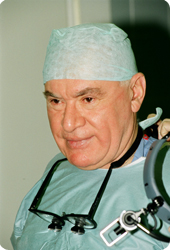
Лео Антонович Бокерия, доктор медицинских наук, профессор, академик РАН и РАМН, президент ФГБУ «НМИЦ ССХ им. А.Н. Бакулева» МЗ РФ
Cортировать по
Влияние изменения характеристик напряжения сдвига на активность транскрипционных факторов при развитии дисфункции эндотелиальных клеток

Авторы:
Организация:
1 Приволжский исследовательский медицинский университет, Владимир, Российская Федерация
2 Военно-медицинская академия им. С.М. Кирова, Санкт-Петербург, Российская Федерация
3 Первый Московский медицинский университет им. И.М. Сеченова, Москва, Российская Федерация
Для корреспонденции: Сведения доступны для зарегистрированных пользователей.
Раздел: Обзоры
DOI:
УДК: 616.13-004.6:611.018.74
Библиографическая ссылка: Клиническая физиология кровообращения. 2025; 22 (4): 305-319
Цитировать как: Санников А.Б., Цыган В.Н., Болевич С.Б.. Влияние изменения характеристик напряжения сдвига на активность транскрипционных факторов при развитии дисфункции эндотелиальных клеток. Клиническая физиология кровообращения. 2025; 22 (4): 305-319. DOI: 10.24022/1814-6910-2025-22-4-305-319
Ключевые слова:
Поступила / Принята к печати: 14.10.2025 / 29.10.2025
Скачать (Download)Аннотация
В настоящее время концепция напряжения сдвига (Shear Stress – SS) эндотелиальных клеток (ECs) – основной физиологический фактор поддержания их функциональной активности. Вовлечение многочисленных сенсорных мембранных белковых молекул в процесс механотрансдукции тесным образом связано с активизацией внутриклеточных сигнальных путей, целью которых является контроль транскрипционных факторов, обладающих обратной связью с многочисленными внутриклеточными регуляторами окислительно-восстановительных процессов и активности ферментов, среди которых одна из ключевых ролей принадлежит синтазе оксида азота (eNOS). Согласно современным данным, динамические изменения кровотока влекут за собой изменение характеристик напряжения сдвига, которое изменяется с ламинарного (LSS) и пульсового (PSS) на турбулентное (TSS), низкое (LowSS) и колебательное (OSS). В связи с чем сегодня предпринимаются попытки установления взаимосвязи и влияния изменения характеристик напряжения сдвига на активность основных транскрипционных факторов (Крюппель-подобный фактор – KLF2, ядерный фактор kappa В – NF-kB, редокс-чувствительный фактор – Nrf2), способных оказать существенное влияние на формирование провоспалительного фенотипа эндотелиальных клеток с последующим развитием их дисфункции. Углубленное понимание этих процессов позволит во многом изменить наш взгляд на патофизиологические и молекулярные механизмы развития сердечно- сосудистых патологий в целом.Литература
- Lim X.R., Harraz O.F. Mechanosensing by vascular endothelium. Annu. Rev. Physiol. 2024; 86: 71–97. DOI: 10.1146/annurev-physiol-042022-030946
- Jing Zhou, Yi-Suan Li, Shu Chien. Shear stress – initiated signaling and its regulation of endothelial function. Arterioscler. Thromb. Vasc. Biol. 2014; 34 (10): 2191–2198. DOI: 10.1161/ATVBAHA.114.303422
- Versari D., Daghini E., Virdis A., Ghiadoni L., Taddei S. Endothelial dysfunction as a target for prevention of cardiovascular disease. Diabetes Care. 2009; 32 (Suppl 2): S314–321. DOI: 10.2337/DC09-S330
- Raffetto J.D., Khalil R.A. Mechanisms of varicose vein formation: valve dysfunction and wall dilation. Phlebology. 2008; 23: 85–98. DOI: 10.1258/phleb.2007.007027
- Ackermann M., Verleden S.E., Kuehnel M., Haverich A., Welte T., Laenger F. et al. Pulmonary vascular endothelialitis, thrombosis, and angiogenesis in Covid-19. N. Engl. J. Med. 2020; 383 (2): 120–128. DOI: 10.1056/NEJMoa2015432
- Цыган В.Н., Санников А.Б. Молекулярные сенсоры трансдукции напряжения сдвига эндотелиальных клеток сосудистой стенки. Клиническая физиология кровообращения. 2025; 22 (1): 33–46. DOI: 10.24022/1814-6910-2025-22-1-33-46
- Цыган В.Н., Санников А.Б. Ключевые внутриклеточные сигнальные пути трансдукции напряжения сдвига эндотелиальных клеток сосудистой стенки. Клиническая физиология кровообращения. 2025; 22 (2): 134–149. DOI: 10.24022/1814-6910-2025-22-2-134-149
- Cheng H., Zhong W., Wang L., Zhang O., Mae Xi, Wang Y. et al. Effects of shear stress on vascular endothelial functions in atherosclerosis and potential therapeutic approaches. Biomedicine & Pharmacotherapy. 2023; 158: 114198. DOI: 10.1016/j.biopha.2022.114198
- Путилина М.В. Эндотелий – мишень для новых терапевтических стратегий при сосудистых заболеваниях головного мозга. Журнал неврологии и психиатрии им. С.С. Корсакова. 2017; 117 (10): 122–130. DOI: 10.17116/jnevro2017117101122-130
- Власов Т.Д., Нестерович И.И., Шиманьски Д.А. Эндотелиальная дисфункция: от частного к общему. Возврат к «старой парадигме»? Регионарное кровообращение и микроциркуляция. 2019: 18 (2): 19–27. DOI: 10.24884/1682-6655-2019-18-2-19-27
- Федин А.И., Старых Е.П., Путилина М.В., Старых Е.В., Миронова О.П., Бадалян К.Р. Эндотелиальная дисфункция у больных с хронической ишемией головного мозга и возможности ее фармакологической коррекции. Медицинский научно-практический портал «Лечащий врач». 2015; 5: 15–18. https://www.lvrach.ru
- Gamboa A., Abraham R., Diedrich A. Role of adenosine and nitric oxide on the mechanisms of action of dipiridamole. Stroke. 2005; 36: 2170–2175. DOI: 10.1161/01.STR.0000179044.37760.9d
- Bongers T.N., de Maat M.P., van Goor M.L. High von Willebrand factor levels increase the risk of first ischemic stroke: influence of ADAMTS13, inflammation, and genetic variability. Stroke. 2006; 37 (11): 2672–2677. DOI: 10.1161/01.STR.0000244767.39962.f7
- Cheng C., van Haperen R., de Waard M., van Damme L.C., Tempel D., Hanemaaijer L. et al. Shear stress affects the intracellular distributionof eNOS: direct demonstration by a novel in vivo technique. Blood. 2005; 106 (12): 3691–3698. DOI: 10.1182/blood-2005-06-2326
- Tun W.M., Yap C.H., Saw S.N., James J.L., Clark A.R. Differences in placental capillary shear stress in fetal growth restriction may affect endothelial cell function and vascular network formation. Sci. Rep. 2019; 9 (1): 9876. DOI: 10.1038/s41598-019-46151-6
- Gaub B.M., Müller D.J. Mechanical stimulation of Piezo1 receptors depends on extracellular matrix proteins and directionality of force. Nano Lett. 2017; 17 (3): 2064–2072. DOI: 10.1021/acs.nanolett.7b00177
- Giebe S., Hofmann A., Brux M., Lowe F., Breheny D., Morawietz H., Brunssen C. Comparative study of the effects of cigarette smoke versus next generation tobacco and nicotine product extracts on endothelial function. Redox Biol. 2021; 47: 102150. DOI: 10.1016/j.redox.2021.102150
- Chen Z., Peng I.C., Cui X., LiY. S., Chien S., Shyy J.Y. Shear stress, SIRT1, and vascular homeostasis. Proc. Natl. Acad. Sci. USA. 2010; 107 (22): 10268–10273.
- Fisslthaler B., Loot A.E., Mohamed A., Busse R., Fleming I. Inhibition of endothelial nitric oxide synthase activity by proline-rich tyrosine kinase 2 in response to fluid shear stress and insulin. Circ. Res. 2008; 102 (12): 1520–1528. DOI: 10.1161/CIRCRESAHA.108.172072
- Simmons R.D., Kumar S., Jo H. The role of endothelial mechanosensitive genes in atherosclerosis and omics approaches. Arch. Biochem. Biophys. 2016; 591: 111–131. DOI: 10.1016/j.abb.2015.11.005
- Novodvorsky P., Chico T.J. The role of the transcription factor KLF2 in vascular development and disease. Prog. Mol. Biol. Transl. Sci. 2014; 124: 155–188. DOI: 10.1016/B978-0-12-386930-2.00007-0
- Bialkowska A.B., Yang V.W., Mallipattu S.K. Krüppel-like factors in mammalian stem cells and development. Development. 2017; 144: 737–754. DOI: 10.1242/dev.145441
- Emini Veseli B., Perrotta P., De Meyer G.R.A., Roth L., Van der Donckt C., Martinet W., De Meyer G.R.Y. Animal models of atherosclerosis. Eur. J. Pharmacol. 2017; 816: 3–13. DOI: 10.1016/j.ejphar.2017.05.010
- Doddaballapur A., Michalik K.M., Manavski Y., Lucas T., Houtkooper R.H., Xintian You et al. Laminar shearstress inhibits endothelial cell metabolism via KLF2-mediated repression of PFKFB3. Arterioscler. Thromb. Vasc. Biol. 2015; 35 (1): 137–145. DOI: 10.1161/ATVBAHA.114.304277
- Fledderus J.O., van Thienen J.V., Boon R.A., Dekker R.J., Rohlena J., Volger O.L. et al. Prolonged shear stress and KLF2 suppress constitutive proinflammatory transcription through inhibition of ATF2. Blood. 2007; 109 (10): 4249–4257. DOI: 10.1182/blood-2006-07-036020
- Yamamoto K., Protack C.D., Kuwahara G., Tsuneki M., Hashimoto T., Hall M.R. et al. Disturbed shear stress reduces Klf2 expression in arterial-venous fistulae in vivo. Physiol. Rep. 2015; 3 (3): e12348. DOI: 10.14814/phy2.12348
- Chen C., Chen J., Tao X., Fu M., Cheng B., Chen X. Activation of GPR30 with G1 inhibits oscillatory shear stress-induced adhesion of THP-1 monocytes to HAECs by increasing KLF2. Aging. 2021; 13 (8): 11942–11953. DOI: 10.18632/aging.202897
- Jha P., Das H. KLF2 in regulation of NF-κB-mediated immune cell function and inflammation. Int. J. Mol. Sci. 2017; 18: E2383. DOI: 10.3390/ ijms18112383
- Gimbrone M.A.Jr., García-Cardena G. Endothelial cell dysfunction and the pathobiology of atherosclerosis. Circ. Res. 2016; 118 (4): 620–636. DOI: 10.1161/CIRCRESAHA.115.306301
- Noguchi N., Jo H. Redox going with vascular shear stress. Antioxid Redox Signal. 2011; 15 (5): 1367–1368. DOI: 10.1089/ars.2011.4011
- Song J., Hu B., Qu H., Wang L., Huang X., Li M., Zhang M. Upregulation of angiotensin converting enzyme 2 by shear stress reduced inflammation and proliferation in vascular endothelial cells. Biochem. Biophys. Res. Commun. 2020; 525 (3): 812–818. DOI: 10.1016/j. bbrc.2020.02.151
- Ward A.O., Angelini G.D., Caputo M., Evans P.C., Johnson J.L., Suleiman M.S. et al. NF-κB inhibition prevents acute shear stress-induced inflammation in the saphenous vein graft endothelium. Sci. Rep. 2020; 10 (1): 15133. DOI: 10.1038/s41598-020-71781-6
- Sen Banerjee S., Lin Z., Atkins G.B., Greif D.M., Rao R.M., Kumar A. et al. KLF2 is a novel transcriptional regulator of endothelial proinflammatory activation. J. Exp. Med. 2004; 199 (10): 1305–1315. DOI: 10.1084/jem.20031132
- Yoshida T., Kaestner K.H., Owens G.K. Conditional deletion of Krüppel-like factor 4 delays down regulation of smooth muscle cell differentiation markers but accelerates neointimal formation following vascular injury. Circ. Res. 2008; 102 (12): 1548–1557. DOI: 10.1161/ CIRCRESAHA.108.176974
- Takabe W., Warabi E., Noguchi N. Anti-atherogenic effect of laminar shear stress via Nrf2 activation. Antioxid Redox Signal. 2011; 15 (5): 1415–1426. DOI: 10.1089/ars.2010.3433
- Lee E.S., Boldo L.S., Fernandez B.O., Feelisch M., Harmsen M.C. Suppression of TAK1 pathway by shear stress counteracts the inflammatory endothelial cell phenotype induced by oxidative stress and TGF-β1. Sci. Rep. 2017; 7: 42487. DOI: 10.1038/srep42487
- Hwang A.R., Han J.H., Lim J.H., Kang Y.J., Woo C.H. Fluvastatin inhibits AGE-induced cell proliferation and migration via an ERK5- dependent Nrf2 pathway in vascular smooth muscle cells. PloS One. 2017; 12 (5): e0178278. DOI: 10.1371/journal.pone.0178228
- Wu W., Geng P., Zhu J., Li J., Zhang L., Chen W. et al. KLF2 regulates eNOS uncoupling via Nrf2/HO-1 in endothelial cells under hypoxia and reoxygenation. Chem. Biol. Interact. 2019; 305: 105–111. DOI: 10.1016/j.cbi.2019.03.010
- Wu L.H., Chang H.C., Ting P.C., Wang D.L. Laminar shear stress promotes mitochondrial homeostasis in endothelial cells. J. Cell. Physiol. 2018; 233 (6): 5058–5069. DOI: 10.1002/jcp.26375
- Kim J.S., Kim B., Lee H., Thakkar S., Babbitt D.M., Eguchi S. et al. Shear stress-induced mitochondrial biogenesis decreases the release of microparticles from endothelial cells. Am. J. Physiol. Heart Circ. Physiol. 2015; 309 (3): H425–H433. DOI: 10.1152/ajpheart.00438.2014
- Yamamoto K., Imamura H., Ando J. Shear stress augments mitochondrial ATP generation that triggers ATP release and Ca(2+) signaling in vascular endothelial cells. Am. J. Physiol. Heart Circ. Physiol. 2018; 315 (5): H1477–H1485. DOI: 10.1152/ajpheart.00204.2018
- Yamamoto K., Nogimori Y., Imamura H., Ando J. Shear stress activates mitochondrial oxidative phosphorylation by reducing plasma membrane cholesterol in vascular endothelial cells. Proc. Natl. Acad. Sci. USA. 2020; 117 (52): 33660–33667. DOI: 10.1073/pnas.2014029117
- Сheng H., Zhong W., Wang L., Zhang Q., Ma X., Wang Y. et al. Effects of shear stress on vascular endothelial functions in atherosclerosis and potential therapeutic approaches. Biomed. Pharmacother. 2023; 158: 114198. DOI: 10.1016/j.biopha.2022.114198
- Galluzzi L., Vitale I., Aaronson S.A., Abrams J.M., Adam D., Agostinis P. et al. Molecular mechanisms of cell death: recommendations of the Nomenclature Committee on Cell Death 2018. Cell Death Differ. 2018; 25 (3): 486–541. DOI: 10.1038/s41418-017-0012-4
- Dela Paz N.G., Walshe T.E., Leach L.L., Saint-Geniez M., D’Amore P.A. Role of shear-stress-induced VEGF expression in endothelial cell survival. J. Cell Sci. 2012; 125 (Pt 4): 831–843. DOI: 10.1242/jcs.084301
- Babendreyer A., Molls L., Simons I.M., Dreymueller D., Biller K., Jahr H. et al. The metalloproteinaseADAM15 is upregulated by shear stress and promotes survival of endothelial cells. J. Mol. Cell. Cardiol. 2019; 134: 51–61. DOI: 10.1016/j.yjmcc.2019.06.017
- DeStefano J.G., Xu Z.S., Williams A.J., Yimam N., Searson P.C. Effect of shear stress on iPSC-derived human brain microvascular endothelial cells (dh BMECs). Fluids Barriers CNS. 2017; 14 (1): 20.
- Li Y., Ren M., Wang X., Cui X., Zhao H., Zhao C. et al. Glutaredoxin 1 mediates the protective effect of steady laminar flow on endothelial cells against oxidative stress-induced apoptosis via inhibiting. Bim. Sci. Rep. 2017; 7 (1): 15539. DOI: 10.1038/s41598-017-15672-3
- Xie X., Wang F., Zhu L., Yang H., Pan D., Liu Y. et al. Low shear stress induces endothelial cell apoptosis and monocyte adhesion by upregulating PECAM-1 expression. Mol. Med. Rep. 2020; 21 (6): 2580–2588. DOI: 10.3892/mmr.2020.11060
- Wang F., Wang Z., Pu J., Xie X., Gao X., Gu Y. et al. Oscillating flow promotes inflammation through the TLR2-TAK1-IKK2 signalling pathway inhuman umbilical vein endothelial cell (HUVECs). Life Sci. 2019; 224: 212–221. DOI: 10.1016/j.lfs.2019.03.033
- Zhang J., Wang Z., Zhang J., Zuo G., Li B., Mao W., Chen S. Rapamycin attenuates endothelial apoptosis induced by low shear stress via mTOR andsestrin1 related redox regulation. Mediat. Inflamm. 2014: 769608.
- Liu J., Bi X., Chen T., Zhang Q., Wang S.X., Chiu J.J. et al. Shear stress regulates endothelial cell autophagy via redox regulationand Sirt1 expression. Cell. Death Dis. 2015; 6 (7): e1827. DOI: 10.1002/1873-3468.14087
- Bharath L.P., Cho J.M., Park S.K., Ruan T., Li Y., Mueller R. et al. Endothelial cell autophagy maintains shear stress-induced nitric oxide generation via glycolysis-dependent purinergic signaling to endothelial nitric oxide synthase. Arterioscler. Thromb. Vasc. Biol. 2017; 37 (9): 1646–1656. DOI: 10.1161/ATVBAHA.117.309510
- Zhang J.X., Qu X.L., Chu P., Xie D.J., Zhu L.L., Chao Y.L. et al. Low shear stress induces vascular eNOS uncoupling via autophagy-mediated eNOS phosphorylation. Biochim. Et. Biophys. Acta Mol. Cell Res. 2018; 1865 (5): 709–720. DOI: 10.1126/sciadv.abf1937
- Xu X., Yang Y., Wang G., Yin Y., Han S., Zheng D. et al. Low shear stress regulates vascular endothelial cell pyroptosis throughmiR-181b-5p/ STAT-3 axis. J. Cell. Physiol. 2021; 236 (1): 318–327. DOI: 10.1002/jcp.29844
- Chen J., Zhang J., Wu L.H., Chang H.C., Ting P.C., Wang D.L. Laminar shear stress promotes mitochondrial homeostasis in endothelial cells and inhibits endothelial cell pyroptosis by TET2/SDHB/ROS pathway. Free Radic. Biol. Med. 2021; 162: 582–591. DOI: 10.1016/j.freeradbiomed.2020.11.017
- Chien S. Molecular and mechanical bases of focal lipid accumulation in arterial wall. Prog. Biophys. Mol. Biol. 2003; 83 (2): 131–151. DOI: 10.1016/s0079-6107(03)00053-1
- Miao H., Hu Y.L., Shiu Y.T., Yuan S., Zhao Y., Kaunas R. et al. Effects of flow patterns on the localization and expression of VE-cadherin at vascular endothelial cell junctions: in vivo and in vitro investigations. J. Vasc. Res. 2005; 42 (1): 77–89. DOI: 10.1159/000083094
- Lim X.R., Harraz O.F. Mechanosensing by vascular endothelium. Annu. Rev. Physiol. 2024; 86: 71–97. DOI: 10.1146/annurev-physiol-042022-030946
- Jing Zhou, Yi-Suan Li, Shu Chien. Shear stress – initiated signaling and its regulation of endothelial function. Arterioscler. Thromb. Vasc. Biol. 2014; 34 (10): 2191–2198. DOI: 10.1161/ATVBAHA.114.303422
- Versari D., Daghini E., Virdis A., Ghiadoni L., Taddei S. Endothelial dysfunction as a target for prevention of cardiovascular disease. Diabetes Care. 2009; 32 (Suppl 2): S314–321. DOI: 10.2337/DC09-S330
- Raffetto J.D., Khalil R.A. Mechanisms of varicose vein formation: valve dysfunction and wall dilation. Phlebology. 2008; 23: 85–98. DOI: 10.1258/phleb.2007.007027
- Ackermann M., Verleden S.E., Kuehnel M., Haverich A., Welte T., Laenger F. et al. Pulmonary vascular endothelialitis, thrombosis, and angiogenesis in Covid-19. N. Engl. J. Med. 2020; 383 (2): 120–128. DOI: 10.1056/NEJMoa2015432
- Cygan V.N., Sannikov A.B. Molecular sensors of shear stress transduction of vascular wall endothelial cells. Clinical Physiology of Circulation. 2025; 22 (1): 33–46 (in Russ). DOI: 10.24022/1814-6910-2025-22-1-33-46
- Cygan V.N., Sannikov A.B. Key intracellular signaling pathways of shear stress transduction of vascular wall endothelial cells. Clinical Physiology of Circulation. 2025; 22 (2): 134–149 (in Russ.). DOI: 10.24022/1814-6910-2025-22-2-134-149
- Cheng H., Zhong W., Wang L., Zhang O., Mae Xi, Wang Y. et al. Effects of shear stress on vascular endothelial functions in atherosclerosis and potential therapeutic approaches. Biomedicine & Pharmacotherapy. 2023; 158: 114198. DOI: 10.1016/j.biopha.2022.114198
- Putilina M.V. Endothelium as a target for new therapeutic strategies in cerebral vascular diseases. S.S. Korsacov Journal of Neurology and Psychiatry. 2017; 117 (10): 122–130 (in Russ). DOI: 10.17116/jnevro2017117101122-130
- Vlasov T.D., Nesterovich I.I., Shimanski D.A. Endothelial dysfunction: from the particular to the general. Return to the «Old Paradigm»? Regional blood circulation and microcirculation. 2019; 18 (2): 19–27 (in Russ.). DOI: 10.24884/1682-6655-2019-18-2-19-27
- Fedin A.I., Staryh E.P., Putilina M.V., Staryh E.V., Mironova O.P., Badalyan K.R. Endothelial dysfunction in patients with chronic cerebral ischemia and the possibilities of its pharmacological correction. Medical scientific and practical portal Lvrach.ru. 2015; 5: 15–18 (in Russ.). Available at: https://www.lvrach.ru li>Gamboa A., Abraham R., Diedrich A. Role of adenosine and nitric oxide on the mechanisms of action of dipiridamole. Stroke. 2005; 36: 2170–2175. DOI: 10.1161/01.STR.0000179044.37760.9d
- Bongers T.N., de Maat M.P., van Goor M.L. High von Willebrand factor levels increase the risk of first ischemic stroke: influence of ADAMTS13, inflammation, and genetic variability. Stroke. 2006; 37 (11): 2672–2677. DOI: 10.1161/01.STR.0000244767.39962.f7
- Cheng C., van Haperen R., de Waard M., van Damme L.C., Tempel D., Hanemaaijer L. et al. Shear stress affects the intracellular distributionof eNOS: direct demonstration by a novel in vivo technique. Blood. 2005; 106 (12): 3691–3698. DOI: 10.1182/blood-2005-06-2326
- Tun W.M., Yap C.H., Saw S.N., James J.L., Clark A.R. Differences in placental capillary shear stress in fetal growth restriction may affect endothelial cell function and vascular network formation. Sci. Rep. 2019; 9 (1): 9876. DOI: 10.1038/s41598-019-46151-6
- Gaub B.M., Müller D.J. Mechanical stimulation of Piezo1 receptors depends on extracellular matrix proteins and directionality of force. Nano Lett. 2017; 17 (3): 2064–2072. DOI: 10.1021/acs.nanolett.7b00177
- Giebe S., Hofmann A., Brux M., Lowe F., Breheny D., Morawietz H., Brunssen C. Comparative study of the effects of cigarette smoke versus next generation tobacco and nicotine product extracts on endothelial function. Redox Biol. 2021; 47: 102150. DOI: 10.1016/j.redox.2021.102150
- Chen Z., Peng I.C., Cui X., LiY. S., Chien S., Shyy J.Y. Shear stress, SIRT1, and vascular homeostasis. Proc. Natl. Acad. Sci. USA. 2010; 107 (22): 10268–10273.
- Fisslthaler B., Loot A.E., Mohamed A., Busse R., Fleming I. Inhibition of endothelial nitric oxide synthase activity by proline-rich tyrosine kinase 2 in response to fluid shear stress and insulin. Circ. Res. 2008; 102 (12): 1520–1528. DOI: 10.1161/CIRCRESAHA.108.172072
- Simmons R.D., Kumar S., Jo H. The role of endothelial mechanosensitive genes in atherosclerosis and omics approaches. Arch. Biochem. Biophys. 2016; 591: 111–131. DOI: 10.1016/j.abb.2015.11.005
- Novodvorsky P., Chico T.J. The role of the transcription factor KLF2 in vascular development and disease. Prog. Mol. Biol. Transl. Sci. 2014; 124: 155–188. DOI: 10.1016/B978-0-12-386930-2.00007-0
- Bialkowska A.B., Yang V.W., Mallipattu S.K. Krüppel-like factors in mammalian stem cells and development. Development. 2017; 144: 737–754. DOI: 10.1242/dev.145441
- Emini Veseli B., Perrotta P., De Meyer G.R.A., Roth L., Van der Donckt C., Martinet W., De Meyer G.R.Y. Animal models of atherosclerosis. Eur. J. Pharmacol. 2017; 816: 3–13. DOI: 10.1016/j.ejphar.2017.05.010
- Doddaballapur A., Michalik K.M., Manavski Y., Lucas T., Houtkooper R.H., Xintian You et al. Laminar shearstress inhibits endothelial cell metabolism via KLF2-mediated repression of PFKFB3. Arterioscler. Thromb. Vasc. Biol. 2015; 35 (1): 137–145. DOI: 10.1161/ATVBAHA.114.304277
- Fledderus J.O., van Thienen J.V., Boon R.A., Dekker R.J., Rohlena J., Volger O.L. et al. Prolonged shear stress and KLF2 suppress constitutive proinflammatory transcription through inhibition of ATF2. Blood. 2007; 109 (10): 4249–4257. DOI: 10.1182/blood-2006-07-036020
- Yamamoto K., Protack C.D., Kuwahara G., Tsuneki M., Hashimoto T., Hall M.R. et al. Disturbed shear stress reduces Klf2 expression in arterial-venous fistulae in vivo. Physiol. Rep. 2015; 3 (3): e12348. DOI: 10.14814/phy2.12348
- Chen C., Chen J., Tao X., Fu M., Cheng B., Chen X. Activation of GPR30 with G1 inhibits oscillatory shear stress-induced adhesion of THP-1 monocytes to HAECs by increasing KLF2. Aging. 2021; 13 (8): 11942–11953. DOI: 10.18632/aging.202897
- Jha P., Das H. KLF2 in regulation of NF-κB-mediated immune cell function and inflammation. Int. J. Mol. Sci. 2017; 18: E2383. DOI: 10.3390/ ijms18112383
- Gimbrone M.A.Jr., García-Cardena G. Endothelial cell dysfunction and the pathobiology of atherosclerosis. Circ. Res. 2016; 118 (4): 620–636. DOI: 10.1161/CIRCRESAHA.115.306301
- Noguchi N., Jo H. Redox going with vascular shear stress. Antioxid Redox Signal. 2011; 15 (5): 1367–1368. DOI: 10.1089/ars.2011.4011
- Song J., Hu B., Qu H., Wang L., Huang X., Li M., Zhang M. Upregulation of angiotensin converting enzyme 2 by shear stress reduced inflammation and proliferation in vascular endothelial cells. Biochem. Biophys. Res. Commun. 2020; 525 (3): 812–818. DOI: 10.1016/j. bbrc.2020.02.151
- Ward A.O., Angelini G.D., Caputo M., Evans P.C., Johnson J.L., Suleiman M.S. et al. NF-κB inhibition prevents acute shear stress-induced inflammation in the saphenous vein graft endothelium. Sci. Rep. 2020; 10 (1): 15133. DOI: 10.1038/s41598-020-71781-6
- Sen Banerjee S., Lin Z., Atkins G.B., Greif D.M., Rao R.M., Kumar A. et al. KLF2 is a novel transcriptional regulator of endothelial proinflammatory activation. J. Exp. Med. 2004; 199 (10): 1305–1315. DOI: 10.1084/jem.20031132
- Yoshida T., Kaestner K.H., Owens G.K. Conditional deletion of Krüppel-like factor 4 delays down regulation of smooth muscle cell differentiation markers but accelerates neointimal formation following vascular injury. Circ. Res. 2008; 102 (12): 1548–1557. DOI: 10.1161/ CIRCRESAHA.108.176974
- Takabe W., Warabi E., Noguchi N. Anti-atherogenic effect of laminar shear stress via Nrf2 activation. Antioxid Redox Signal. 2011; 15 (5): 1415–1426. DOI: 10.1089/ars.2010.3433
- Lee E.S., Boldo L.S., Fernandez B.O., Feelisch M., Harmsen M.C. Suppression of TAK1 pathway by shear stress counteracts the inflammatory endothelial cell phenotype induced by oxidative stress and TGF-β1. Sci. Rep. 2017; 7: 42487. DOI: 10.1038/srep42487
- Hwang A.R., Han J.H., Lim J.H., Kang Y.J., Woo C.H. Fluvastatin inhibits AGE-induced cell proliferation and migration via an ERK5- dependent Nrf2 pathway in vascular smooth muscle cells. PloS One. 2017; 12 (5): e0178278. DOI: 10.1371/journal.pone.0178228
- Wu W., Geng P., Zhu J., Li J., Zhang L., Chen W. et al. KLF2 regulates eNOS uncoupling via Nrf2/HO-1 in endothelial cells under hypoxia and reoxygenation. Chem. Biol. Interact. 2019; 305: 105–111. DOI: 10.1016/j.cbi.2019.03.010
- Wu L.H., Chang H.C., Ting P.C., Wang D.L. Laminar shear stress promotes mitochondrial homeostasis in endothelial cells. J. Cell. Physiol. 2018; 233 (6): 5058–5069. DOI: 10.1002/jcp.26375
- Kim J.S., Kim B., Lee H., Thakkar S., Babbitt D.M., Eguchi S. et al. Shear stress-induced mitochondrial biogenesis decreases the release of microparticles from endothelial cells. Am. J. Physiol. Heart Circ. Physiol. 2015; 309 (3): H425–H433. DOI: 10.1152/ajpheart.00438.2014
- Yamamoto K., Imamura H., Ando J. Shear stress augments mitochondrial ATP generation that triggers ATP release and Ca(2+) signaling in vascular endothelial cells. Am. J. Physiol. Heart Circ. Physiol. 2018; 315 (5): H1477–H1485. DOI: 10.1152/ajpheart.00204.2018
- Yamamoto K., Nogimori Y., Imamura H., Ando J. Shear stress activates mitochondrial oxidative phosphorylation by reducing plasma membrane cholesterol in vascular endothelial cells. Proc. Natl. Acad. Sci. USA. 2020; 117 (52): 33660–33667. DOI: 10.1073/pnas.2014029117
- Сheng H., Zhong W., Wang L., Zhang Q., Ma X., Wang Y. et al. Effects of shear stress on vascular endothelial functions in atherosclerosis and potential therapeutic approaches. Biomed. Pharmacother. 2023; 158: 114198. DOI: 10.1016/j.biopha.2022.114198
- Galluzzi L., Vitale I., Aaronson S.A., Abrams J.M., Adam D., Agostinis P. et al. Molecular mechanisms of cell death: recommendations of the Nomenclature Committee on Cell Death 2018. Cell Death Differ. 2018; 25 (3): 486–541. DOI: 10.1038/s41418-017-0012-4
- Dela Paz N.G., Walshe T.E., Leach L.L., Saint-Geniez M., D’Amore P.A. Role of shear-stress-induced VEGF expression in endothelial cell survival. J. Cell Sci. 2012; 125 (Pt 4): 831–843. DOI: 10.1242/jcs.084301
- Babendreyer A., Molls L., Simons I.M., Dreymueller D., Biller K., Jahr H. et al. The metalloproteinaseADAM15 is upregulated by shear stress and promotes survival of endothelial cells. J. Mol. Cell. Cardiol. 2019; 134: 51–61. DOI: 10.1016/j.yjmcc.2019.06.017
- DeStefano J.G., Xu Z.S., Williams A.J., Yimam N., Searson P.C. Effect of shear stress on iPSC-derived human brain microvascular endothelial cells (dh BMECs). Fluids Barriers CNS. 2017; 14 (1): 20.
- Li Y., Ren M., Wang X., Cui X., Zhao H., Zhao C. et al. Glutaredoxin 1 mediates the protective effect of steady laminar flow on endothelial cells against oxidative stress-induced apoptosis via inhibiting. Bim. Sci. Rep. 2017; 7 (1): 15539. DOI: 10.1038/s41598-017-15672-3
- Xie X., Wang F., Zhu L., Yang H., Pan D., Liu Y. et al. Low shear stress induces endothelial cell apoptosis and monocyte adhesion by upregulating PECAM-1 expression. Mol. Med. Rep. 2020; 21 (6): 2580–2588. DOI: 10.3892/mmr.2020.11060
- Wang F., Wang Z., Pu J., Xie X., Gao X., Gu Y. et al. Oscillating flow promotes inflammation through the TLR2-TAK1-IKK2 signalling pathway inhuman umbilical vein endothelial cell (HUVECs). Life Sci. 2019; 224: 212–221. DOI: 10.1016/j.lfs.2019.03.033
- Zhang J., Wang Z., Zhang J., Zuo G., Li B., Mao W., Chen S. Rapamycin attenuates endothelial apoptosis induced by low shear stress via mTOR andsestrin1 related redox regulation. Mediat. Inflamm. 2014: 769608.
- Liu J., Bi X., Chen T., Zhang Q., Wang S.X., Chiu J.J. et al. Shear stress regulates endothelial cell autophagy via redox regulationand Sirt1 expression. Cell. Death Dis. 2015; 6 (7): e1827. DOI: 10.1002/1873-3468.14087
- Bharath L.P., Cho J.M., Park S.K., Ruan T., Li Y., Mueller R. et al. Endothelial cell autophagy maintains shear stress-induced nitric oxide generation via glycolysis-dependent purinergic signaling to endothelial nitric oxide synthase. Arterioscler. Thromb. Vasc. Biol. 2017; 37 (9): 1646–1656. DOI: 10.1161/ATVBAHA.117.309510
- Zhang J.X., Qu X.L., Chu P., Xie D.J., Zhu L.L., Chao Y.L. et al. Low shear stress induces vascular eNOS uncoupling via autophagy-mediated eNOS phosphorylation. Biochim. Et. Biophys. Acta Mol. Cell Res. 2018; 1865 (5): 709–720. DOI: 10.1126/sciadv.abf1937
- Xu X., Yang Y., Wang G., Yin Y., Han S., Zheng D. et al. Low shear stress regulates vascular endothelial cell pyroptosis throughmiR-181b-5p/ STAT-3 axis. J. Cell. Physiol. 2021; 236 (1): 318–327. DOI: 10.1002/jcp.29844
- Chen J., Zhang J., Wu L.H., Chang H.C., Ting P.C., Wang D.L. Laminar shear stress promotes mitochondrial homeostasis in endothelial cells and inhibits endothelial cell pyroptosis by TET2/SDHB/ROS pathway. Free Radic. Biol. Med. 2021; 162: 582–591. DOI: 10.1016/j.freeradbiomed.2020.11.017
- Chien S. Molecular and mechanical bases of focal lipid accumulation in arterial wall. Prog. Biophys. Mol. Biol. 2003; 83 (2): 131–151. DOI: 10.1016/s0079-6107(03)00053-1
- Miao H., Hu Y.L., Shiu Y.T., Yuan S., Zhao Y., Kaunas R. et al. Effects of flow patterns on the localization and expression of VE-cadherin at vascular endothelial cell junctions: in vivo and in vitro investigations. J. Vasc. Res. 2005; 42 (1): 77–89. DOI: 10.1159/000083094
Если вы заметили опечатку, выделите текст и нажмите Alt+A