
Научно-практический журнал
«Клиническая физиология кровообращения»
ISSN 1814-6910 (Print)
ISSN 2410-9134 (Online)


Главный редактор
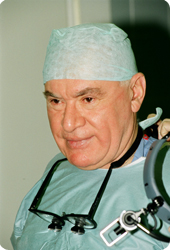
Лео Антонович Бокерия, доктор медицинских наук, профессор, академик РАН и РАМН, президент ФГБУ «НМИЦ ССХ им. А.Н. Бакулева» МЗ РФ
Cортировать по
Влияние биомаркеров артериальной жесткости и воспаления на риск мультифокального атеросклероза

Авторы:
Организация:
1 ФГБУ «Национальный медицинский исследовательский центр сердечно-сосудистой хирургии им. А.Н. Бакулева» Минздрава России, Москва, Российская Федерация
2 Университетская клиника Медицинского научно-образовательного института МГУ им. М.В. Ломоносова, Москва, Российская Федерация
Для корреспонденции: Сведения доступны для зарегистрированных пользователей.
Раздел: Клиническая физиология регионарного кровообращения
DOI:
УДК: 616.13-004.6
Библиографическая ссылка: Клиническая физиология кровообращения. 2025; 22 (4): 329-345
Цитировать как: Бузиашвили Ю.И., Кокшенева И.В., Мацкеплишвили С.Т., Тимербулатова Т.Р., Амбатьелло С.Г., Алпенидзе В.А., Бузиашвили В.Ю., Ибрагимов М.С. . Влияние биомаркеров артериальной жесткости и воспаления на риск мультифокального атеросклероза. Клиническая физиология кровообращения. 2025; 22 (4): 329-345. DOI: 10.24022/ 1814-6910-2025-22-4-329-345
Ключевые слова:
Поступила / Принята к печати: 16.10.2025 / 01.12.2025
Скачать (Download)Аннотация
Цель – оценить взаимосвязь маркеров функции эндотелия, артериальной жесткости, а также гуморальных маркеров воспаления с риском развития мультифокального атеросклероза (МА).
Материал и методы. В исследование включены 80 пациентов, из них 50 с МА и 30 с изолированной ишемической болезнью сердца (ИБС). Оценивались параметры артериальной жесткости, функции эндотелия, плазменные уровни маркеров воспаления (СРБ, sЕ-селектин, sР-селектин, IL-6, sVCAM, фибриноген), расчетные индексы системного воспаления (SIRI, SII, AISI), показатели липидограммы.
Результаты. В патогенезе МА значимую роль играют маркеры, участвующие в регуляции путей, связанных с эндотелиальной функцией, артериальной жесткостью, воспалением и липидным метаболизмом. Построенная логистическая прогностическая модель риска МА показала, что факторами, оказывающими наибольшее влияние, явились: длительность ИБС, эндотелий-зависимая вазодилатация после пробы с нитроглицерином, сосудистый strain, растяжимость, комплаенс, индекс жесткости, модуль упругости/ давления/деформации.
Заключение. Маркеры артериальной жесткости, эндотелиальной функции и воспаления (sР-селектин) могут быть полезными дополнительными инструментами при оценке сердечно-сосудистого риска в клинической практике и могут использоваться для разработки шкал риска МА и возможных будущих сердечно- сосудистых событий.
Литература
- Бузиашвили Ю.И., Кокшенева И.В., Голубев Е.П. и др. Использование гуморальных биомаркеров воспаления в прогнозировании дисфункции аортокоронарных шунтов. Креативная кардиология. 2024; 18 (3): 350–361. DOI: 10.24022/1997-3187-2024-18-3-350-361
- Керен М.А., Шейкина Н.А. Поиск путей оптимизации тактики ведения пациентов с атеросклерозом периферических артерий: фокус на применение статинов и поиск специфичных биомаркеров. Креативная кардиология. 2020; 14 (2): 158–166. DOI: 10.24022/1997-3187-2020-14-2-158-166
- Гринштейн Ю.И., Косинова А.А., Монгуш Т.С., Гончаров М.Д. Коронарное шунтирование: исходы и эффективность антитромбоцитарной терапии. Креативная кардиология. 2020; 14 (2): 138–149. DOI: 10.24022/1997-3187-2020-14-2-138-149
- Singh T.P., Morris D.R., Smith S. et al. systematic review and meta-analysis of the association between c-reactive protein and major cardiovascular events in patients with peripheral artery disease. Eur. J. Vasc. Endovasc. Surg. 2017; 54 (2): 220–233. DOI: 10.1016/j. ejvs.2017.05.009
- Kleinegris M.C., ten Cate H., ten Cate-Hoek A.J. D-dimer as a marker for cardiovascular and arterial thrombotic events in patients with peripheral arterial disease. A systematic review. Thromb. Haemost. 2013; 110 (2): 233–243. DOI: 10.1160/TH13-01-0032
- Grilz E., Marosi C., Königsbrügge O. et al. Association of complete blood count parameters, D-dimer, and soluble P-selectin with risk of arterial thromboembolism in patients with cancer. J. Thromb. Haemost. 2019; 17 (8): 1335–1344. DOI: 10.1111/jth.14484
- Skoglund P.H., Arpegård J., Ostergren J. et al. Amino-terminal pro-B-type natriuretic peptide and high-sensitivity C-reactive protein but not cystatin C predict cardiovascular events in male patients with peripheral artery disease independently of ambulatory pulse pressure. Am. J. Hypertens. 2014; 27 (3): 363–371. DOI: 10.1093/ajh/hpt278
- Kremers B., Wübbeke L., Mees B. et al. Plasma biomarkers to predict cardiovascular outcome in patients with peripheral artery disease: a systematic review and meta-analysis. Arterioscler. Thromb. Vasc. Biol. 2020; 40 (9): 2018–2032. DOI: 10.1161/ATVBAHA.120.314774
- Zinellu A., Mangoni A.A. Systematic review and meta-analysis of the effect of statins on circulating E-Selectin, L-Selectin, and P-Selectin. Biomedicines. 2021; 9 (11): 1707. DOI: 10.3390/biomedicines9111707
- Af Geijerstam P., Rådholm K., Jonasson L. et al. P-selectin and C-reactive protein in relation to home blood pressure and coronary calcification: a SCAPIS substudy. J. Hypertens. 2024; 42 (7): 1226–1234. DOI: 10.1097/HJH.0000000000003718
- Бондарь С.А., Ротарь О.П., Могучая Е.В. и др. Артериальная жесткость и эндотелиальная функция в отдаленном периоде после перенесенной новой коронавирусной инфекции. Российский кардиологический журнал. 2024; 29 (6): 5803. DOI: 10.15829/560-4071-2024-5803
- de Havenon A., Wong K.H., Elkhetali A. et al. Carotid Artery Stiffness Accurately Predicts White Matter Hyperintensity Volume 20 Years Later: A secondary analysis of the atherosclerosis Risk in the community study. AJNR. Am. J. Neuroradiol. 2019; 40 (8): 1369–1373. DOI: 10.3174/ajnr.A6115
- Бузиашвили Ю.И., Кокшенева И.В., Тимербулатова Т.Р. и др. Показатели дисфункции эндотелия и артериальной жесткости как маркеры мультифокального атеросклероза. Сердечно-сосудистые заболевания. Бюллетень НЦССХ им. А.Н. Бакулева РАМН. 2025; 26 (2): 118–130. DOI: 10.24022/1810-0694-2025-26-2-118-130
- Hooglugt A., Klatt O., Huveneers S. Vascular stiffening and endothelial dysfunction in atherosclerosis. Curr. Opin. Lipidol. 2022; 33 (6): 353–363. DOI: 10.1097/MOL.0000000000000852
- Zhou M., Yu Y., Chen R. et al. Wall shear stress and its role in atherosclerosis. Front. Cardiovasc. Med. 2023; 3 (10): 1083547. DOI: 10.3389/fcvm.2023.1083547
- Lacolley P., Regnault V., Segers P. et al. Vascular smooth muscle cells and arterial stiffening: relevance in development, aging, and disease. Physiol. Rev. 2017; 97 (4): 1555–1617. DOI: 10.1152/physrev.00003.2017
- Голухова Е.З., Пурсанова Д.М., Тхашокова Л.Р. и др. Трансторакальная ультразвуковая оценка биомеханики восходящей аорты при аневризме: сопоставление с гистологическими данными. Сердечно-сосудистые заболевания. Бюллетень НЦССХ им. А.Н. Бакулева РАМН. 2025; 26 (1): 31–41. DOI: 10.24022/1810-0694-2025-26-1-31-41
- Attiq A., Afzal S., Ahmad W. et al. Hegemony of inflammation in atherosclerosis and coronary artery disease. Eur. J. Pharmacol. 2024; 966: 176338. DOI: 10.1016/j.ejphar.2024.176338
- Wang J., Tan G.J., Han L.N. et al. Novel biomarkers for cardiovascular risk prediction. J. Geriatr. Cardiol. 2017; 14 (2): 135–150. DOI: 10.11909/j.issn.1671-5411.2017.02.008
- Theofilis P., Sagris M., Oikonomou E. et al. inflamma-tory mechanisms contributing to endothelial dysfunction. Biomedicines. 2021; 9 (7): 781. DOI: 10.3390/biomedicines9070781
- Ирасханов А.Ш., Бузиашвили Ю.И., Кокшенева И.В. и др. Значение медиаторов воспалительной реакции в механизмах атерогенеза и их влияние на результаты реваскуляризации миокарда у больных ишемической болезнью сердца. Креативная кардиология. 2023; 17 (3): 330–340. DOI: 10.24022/1997-3187-2023-17-3-330-340
- Gluba-Brzózka A., Franczyk B., Rysz-Górzyńska M. et al. emerging anti-atherosclerotic therapies. Int. J. Mol. Sci. 2021; 22 (22): 12109. DOI: 10.3390/ijms222212109
- Бузиашвили Ю.И., Кокшенева И.В., Камардинов Д.Х. и др. Влияние активации системной воспалительной реакции на риск развития дисфункции коронарных кондуитов и частоту сердечно-сосудистых осложнений после коронарного шунтирования. Российский кардиологический журнал. 2025; 30 (4): 81–99. DOI: 10.15829/1560-4071-2025-6112
- McEver R.P. Selectins: initiators of leucocyte adhesion and signalling at the vascular wall. Cardiovasc. Res. 2015; 107 (3): 331–339. DOI: 10.1093/cvr/cvv154
- Tscharre M., Vogel B., Tentzeris I. et al. Prognostic impact of soluble p-selectin on long-term adverse cardiovascular outcomes in patients undergoing percutaneous coronary intervention. Thromb. Haemost. 2019; 119 (2): 340–347. DOI: 10.1055/s-0038-1676563
- Zhang X., Zhang C., Ma Z. et al. Soluble P-selectin level in patients with cancer-associated venous and artery thromboembolism: a systematic review and meta-analysis. Arch. Med. Sci. 2023; 19 (1): 274–282. DOI: 10.5114/aoms/159039
- Kunutsor S.K., Bakker S.J.L., Dullaart R.P.F. Soluble vascular cell adhesion molecules may be protective of future cardiovascular disease risk: findings from the PREVEND Prospective Cohort Study. J. Atheroscler. Thromb. 2017; 24 (8): 804–818. DOI: 10.5551/jat.38836
- Kilic I.D., Findikoglu G., Alihanoglu Y.I. et al. Circulating adhesion molecules and arterial stiffness. Cardiovasc. J. Afr. 2015; 26 (1): 21–24. DOI: 10.5830/CVJA-2014-060
- de Faria A.P., Ritter A.M., Sabbatini A.R. et al. Deregulation of soluble adhesion molecules in resistant hypertension and its role in cardiovascular remodeling. Circ. J. 2016; 80 (5): 1196–1201. DOI: 10.1253/circj.CJ-16-0058
- Mozos I., Malainer C., Horbańczuk J. et al. inflammatory markers for arterial stiffness in cardiovascular diseases. Front. Immunol. 2017; 8: 1058. DOI: 10.3389/fimmu. 2017.01058
- Mäki-Petäjä K.M., Elkhawad M., Cheriyan J. et al. Anti-tumor necrosis factor-alpha therapy reduces aortic inflammation and stiffness in patients with rheumatoid arthritis. Circulation. 2012; 126 (21): 2473–2480. DOI: 10.1161/CIRCULATIONAHA.112.120410
- Upala S., Wirunsawanya K., Jaruvongvanich V. et al. Effects of statin therapy on arterial stiffness: a systematic review and meta-analysis of randomized controlled trial. Int. J. Cardiol. 2017; 227: 338–341. DOI: 10.1016/j.ijcard.2016.11.073
- Angoff R., Mosarla R.C., Tsao C.W. aortic stiffness: epidemiology, risk factors, and relevant biomarkers. Front. Cardiovasc. Med. 2021; 8: 709396. DOI: 10.3389/fcvm.2021.709396
- Buziashvili Yu.I., Koksheneva I.V., Golubev E.P. et al. Use of humoral inflammation biomarkers in predicting coronary artery bypass graft dysfunction. Creative Cardiology. 2024; 18 (3): 350–361 (in Russ.). DOI: 10.24022/1997-3187-2024-18-3-350-361
- Keren M.A., Sheykina N.A. Search for ways to optimize the tactics of managing patients with peripheral arterial atherosclerosis: focus on the use of statins and the search for specific biomarkers. Creative Cardiology. 2020; 14 (2): 158–166 (in Russ.). DOI: 10.24022/1997-3187-2020- 14-2-158-166
- Grinshtein Yu.I., Kosinova A.A.., Mongush T.S., Goncharov M.D. Coronary artery bypass grafting: outcomes and efficacy of antiplatelet therapy. Creative Cardiology. 2020; 14 (2): 138–149 (in Russ.). DOI: 10.24022/1997-3187-2020-14-2-138-149
- Singh T.P., Morris D.R., Smith S. et al. systematic review and meta-analysis of the association between c-reactive protein and major cardiovascular events in patients with peripheral artery disease. Eur. J. Vasc. Endovasc. Surg. 2017; 54 (2): 220–233. DOI: 10.1016/j. ejvs.2017.05.009
- Kleinegris M.C., ten Cate H., ten Cate-Hoek A.J. D-dimer as a marker for cardiovascular and arterial thrombotic events in patients with peripheral arterial disease. A systematic review. Thromb. Haemost. 2013; 110 (2): 233–243. DOI: 10.1160/TH13-01-0032
- Grilz E., Marosi C., Königsbrügge O. et al. Association of complete blood count parameters, D-dimer, and soluble P-selectin with risk of arterial thromboembolism in patients with cancer. J. Thromb. Haemost. 2019; 17 (8): 1335–1344. DOI: 10.1111/jth.14484
- Skoglund P.H., Arpegård J., Ostergren J. et al. Amino-terminal pro-B-type natriuretic peptide and high-sensitivity C-reactive protein but not cystatin C predict cardiovascular events in male patients with peripheral artery disease independently of ambulatory pulse pressure. Am. J. Hypertens. 2014; 27 (3): 363–371. DOI: 10.1093/ajh/hpt278
- Kremers B., Wübbeke L., Mees B. et al. Plasma biomarkers to predict cardiovascular outcome in patients with peripheral artery disease: a systematic review and meta-analysis. Arterioscler. Thromb. Vasc. Biol. 2020; 40 (9): 2018–2032. DOI: 10.1161/ATVBAHA.120.314774
- Zinellu A., Mangoni A.A. Systematic review and meta-analysis of the effect of statins on circulating E-Selectin, L-Selectin, and P-Selectin. Biomedicines. 2021; 9 (11): 1707. DOI: 10.3390/biomedicines9111707
- Af Geijerstam P., Rådholm K., Jonasson L. et al. P-selectin and C-reactive protein in relation to home blood pressure and coronary calcification: a SCAPIS substudy. J. Hypertens. 2024; 42 (7): 1226–1234. DOI: 10.1097/HJH.0000000000003718
- Bondar S.A., Rotar O.P., Moguchaya E.V. et al. Arterial stiffness and endothelial function in the late period after a new coronavirus infection. Russian Journal of Cardiology. 2024; 29 (6): 5803 (in Russ.). DOI: 10.15829/560-4071-2024-5803
- de Havenon A., Wong K.H., Elkhetali A. et al. Carotid Artery Stiffness Accurately Predicts White Matter Hyperintensity Volume 20 Years Later: A secondary analysis of the atherosclerosis Risk in the community study. AJNR. Am. J. Neuroradiol. 2019; 40 (8): 1369–1373. DOI: 10.3174/ajnr.A6115
- Buziashvili Yu.I., Koksheneva I.V., Timerbulatova T.R. et al. Indicators of endothelial dysfunction and arterial stiffness as markers of multifocal atherosclerosis. The Bulletin of Bakoulev Center. Cardiovascular Diseases. 2025; 26 (2): 118–130 (in Russ.). DOI: 10.24022/1810-0694-2025-26-2-118-130
- Hooglugt A., Klatt O., Huveneers S. Vascular stiffening and endothelial dysfunction in atherosclerosis. Curr. Opin. Lipidol. 2022; 33 (6): 353–363. DOI: 10.1097/MOL.0000000000000852
- Zhou M., Yu Y., Chen R. et al. Wall shear stress and its role in atherosclerosis. Front. Cardiovasc. Med. 2023; 3 (10): 1083547. DOI: 10.3389/fcvm.2023.1083547
- Lacolley P., Regnault V., Segers P. et al. Vascular smooth muscle cells and arterial stiffening: relevance in development, aging, and disease. Physiol. Rev. 2017; 97 (4): 1555–1617. DOI: 10.1152/physrev.00003.2017
- Golukhova E.Z., Pursanova D.M., Tkhashokova L.R. et al. Transthoracic ultrasound assessment of the biomechanics of the ascending aorta in aneurysm: comparison with histological data. The Bulletin of Bakoulev Center. Cardiovascular Diseases. 2025; 26 (1): 31–41 (in Russ.). DOI: 10.24022/1810-0694-2025-26-1-31-41
- Attiq A., Afzal S., Ahmad W. et al. Hegemony of inflammation in atherosclerosis and coronary artery disease. Eur. J. Pharmacol. 2024; 966: 176338. DOI: 10.1016/j.ejphar.2024.176338
- Wang J., Tan G.J., Han L.N. et al. Novel biomarkers for cardiovascular risk prediction. J. Geriatr. Cardiol. 2017; 14 (2): 135–150. DOI: 10.11909/j.issn.1671-5411.2017.02.008
- Theofilis P., Sagris M., Oikonomou E. et al. inflamma-tory mechanisms contributing to endothelial dysfunction. Biomedicines. 2021; 9 (7): 781. DOI: 10.3390/biomedicines9070781
- Iraskhanov A.Sh., Buziashvili Yu.I., Koksheneva I.V. et al. The importance of inflammatory response mediators in the mechanisms of atherogenesis and their impact on the results of myocardial revascularization in patients with coronary heart disease. Creative Cardiology. 2023; 17 (3): 330–340 (in Russ.). DOI: 10.24022/1997-3187-2023-17-3-330-340
- Gluba-Brzózka A., Franczyk B., Rysz-Górzyńska M. et al. emerging anti-atherosclerotic therapies. Int. J. Mol. Sci. 2021; 22 (22): 12109. DOI: 10.3390/ijms222212109
- Buziashvili Yu.I., Koksheneva I.V., Kamardinov D.Kh. et al. The influence of activation of the systemic inflammatory response on the risk of coronary conduit dysfunction and the incidence of cardiovascular complications after coronary artery bypass grafting. Russian Journal of Cardiology. 2025; 30 (4): 81–99 (in Russ.). DOI: 10.15829/1560-4071-2025-6112
- McEver R.P. Selectins: initiators of leucocyte adhesion and signalling at the vascular wall. Cardiovasc. Res. 2015; 107 (3): 331–339. DOI: 10.1093/cvr/cvv154
- Tscharre M., Vogel B., Tentzeris I. et al. Prognostic impact of soluble p-selectin on long-term adverse cardiovascular outcomes in patients undergoing percutaneous coronary intervention. Thromb. Haemost. 2019; 119 (2): 340–347. DOI: 10.1055/s-0038-1676563
- Zhang X., Zhang C., Ma Z. et al. Soluble P-selectin level in patients with cancer-associated venous and artery thromboembolism: a systematic review and meta-analysis. Arch. Med. Sci. 2023; 19 (1): 274–282. DOI: 10.5114/aoms/159039
- Kunutsor S.K., Bakker S.J.L., Dullaart R.P.F. Soluble vascular cell adhesion molecules may be protective of future cardiovascular disease risk: findings from the PREVEND Prospective Cohort Study. J. Atheroscler. Thromb. 2017; 24 (8): 804–818. DOI: 10.5551/jat.38836
- Kilic I.D., Findikoglu G., Alihanoglu Y.I. et al. Circulating adhesion molecules and arterial stiffness. Cardiovasc. J. Afr. 2015; 26 (1): 21–24. DOI: 10.5830/CVJA-2014-060
- de Faria A.P., Ritter A.M., Sabbatini A.R. et al. Deregulation of soluble adhesion molecules in resistant hypertension and its role in cardiovascular remodeling. Circ. J. 2016; 80 (5): 1196–1201. DOI: 10.1253/circj.CJ-16-0058
- Mozos I., Malainer C., Horbańczuk J. et al. inflammatory markers for arterial stiffness in cardiovascular diseases. Front. Immunol. 2017; 8: 1058. DOI: 10.3389/fimmu. 2017.01058
- Mäki-Petäjä K.M., Elkhawad M., Cheriyan J. et al. Anti-tumor necrosis factor-alpha therapy reduces aortic inflammation and stiffness in patients with rheumatoid arthritis. Circulation. 2012; 126 (21): 2473–2480. DOI: 10.1161/CIRCULATIONAHA.112.120410
- Upala S., Wirunsawanya K., Jaruvongvanich V. et al. Effects of statin therapy on arterial stiffness: a systematic review and meta-analysis of randomized controlled trial. Int. J. Cardiol. 2017; 227: 338–341. DOI: 10.1016/j.ijcard.2016.11.073
- Angoff R., Mosarla R.C., Tsao C.W. aortic stiffness: epidemiology, risk factors, and relevant biomarkers. Front. Cardiovasc. Med. 2021; 8: 709396. DOI: 10.3389/fcvm.2021.709396
Об авторах
- Бузиашвили Юрий Иосифович, д-р мед. наук, профессор, академик РАН, руководитель клинико-диагностического отделения; ORCID
- Кокшенева Инна Валериевна, д-р мед. наук, ст. науч. сотр. клинико-диагностического отделения; ORCID
- Мацкеплишвили Симон Теймуразович, д-р мед. наук, профессор, академик РАН, заместитель директора по научной работе Медицинского научно-образовательного центра МГУ им. М.В. Ломоносова; ORCID
- Тимербулатова Табарик Рустамовна, ординатор клинико-диагностического отделения; ORCID
- Амбатьелло Сергей Георгиевич, д-р мед. наук, вед. науч. сотр. клинико-диагностического отделения; ORCID
- Алпенидзе Виктория Анатольевна, канд. мед. наук, врач ультразвуковой диагностики клинико-диагностического отделения
- Бузиашвили Виктория Юрьевна, канд. мед. наук, мл. науч. сотр. клинико-диагностического отделения; ORCID
- Ибрагимов Мурат Саидович, канд. мед. наук, врач-кардиолог клинико-диагностического отделения; ORCID
Если вы заметили опечатку, выделите текст и нажмите Alt+A