
Clinical Physiology of Circulation
ISSN 1814-6910 (Print)
ISSN 2410-9134 (Online)


Chief Editor
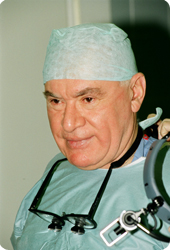
Leo A. Bockeria, MD, PhD, DSc, Professor, Academician of Russian Academy of Sciences, President of Bakoulev National Medical Research Center for Cardiovascular Surgery
Sort by
Results of surgical treatment for patients with Nutcracker syndrome

Authors:
Company:
Bakoulev National Medical Research Center for Cardiovascular Surgery, Moscow, Russian Federation
E-mail: Сведения доступны для зарегистрированных пользователей.
DOI:
UDC: 616.146.2-007.271-089
Link: Clinical Physiology of Blood Circulaiton. 2024; 21 (4): 332-343
Quote as: Arakelyan V.S., Papitashvili V.G., Gamzaev N.R., Nikogosyan M.M., Shumilina M.V., Chernykh N.A., Shilkin D.N. Results of surgical treatment for patients with Nutcracker syndrome. Clinical Physiology of Circulation. 2024; 21 (4): 332–343 (in Russ.). DOI: 10.24022/1814-6910-2024-21-4-332-343
Received / Accepted: 13.10.2024 / 27.10.2024
DownloadAbstract
Objective. To evaluate the results of surgical treatment of patients with “Nutcracker syndrome”.
Material and methods. A single-center prospective controlled study included 42 operated patients. The median age of the patients was 18 years, with an interquartile range from 16 to 31 years, comprising 24 men (57%) and 18 women (43%). The most common reasons for seeking medical attention included the following symptoms:
renovascular hypertension in 30 (71%) patients,
hematuria and orthostatic proteinuria in 21 (50%) and 15 (36%) cases, respectively,
girdle pain in 16 (38%) patients, abdominal pain in 10 (24%), and varicocele/ovarian varicosities in 17 (40.5%).
All operated patients underwent a standard set of laboratory and instrumental investigations, including a complete blood count and urinalysis, biochemical blood analysis, ultrasound of renal vessels, contrast-enhanced multi-slice computed tomography (MSCT), aortography with venous phase imaging, and phlebography with pressure measurement in the inferior vena cava and left renal vein. In 100% of cases, planned surgical treatment was performed—translocation of the left renal vein to the infrarenal segment of the inferior vena cava.
Results. An immediate positive treatment outcome is observed in 100% of the initially operated patients with nutcracker syndrome, as evidenced by the restoration of normal lumen in the left renal vein according to follow-up MSCT and ultrasound results. In the early postoperative period, there were no fatalities or complications that affected hospitalization duration. The follow-up period ranged from 6 to 24 months (with an average follow-up duration of 14.4 ± 3.6 months). In 7 patients (16.7%), restenosis at the anastomosis site was detected at various times after surgery, associated with persistent clinical symptoms. Reoperation was required for two out of the seven patients.
Conclusion. Translocation of the left renal vein to the infrarenal segment of the inferior vena cava is a safe and effective method for treating symptomatic patients with nutcracker syndrome. The identified cases of symptom recurrence in the late postoperative period indicate the need for an individualized approach to planning the surgical technique for renal vein translocation, as well as the consideration of alternative surgical treatment methods.
References
- Ananthan K., Onida S., Davies A.H. Nutcracker syndrome: an update on current diagnostic criteria and management guidelines. Eur. J. Vasc. Endovasc. Surg. 2017; 53 (6): 886–894. DOI: 10.1016/j.ejvs.2017.02.015
- Yih N.D., Chyen L.H., Cunli Y., Jaywantraj P.S., Isip A.B., Anil S.A. Renosplenic shunting in the nutcracker phenomenon: a discussion and paradigm shift in options? A novel approach to treating nutcracker syndrome. Int. J. Angiol. 2014; 23 (1): 71–76. DOI: 10.1055/s-0033-1348883
- Dunphy L., Penna M., Tam E., El-Kafsi J. Left renal vein entrapment syndrome: nutcracker syndrome! BMJ Case Rep. 2019; 12 (9): e230877. DOI: 10.1136/bcr-2019-230877
- Shin J.I., Lee J.S. Nutcracker phenomenon or nutcracker syndrome? Nephrol. Dial. Transplant. 2005; 20 (9): 2015. DOI: 10.1093/ndt/gfi078
- Maloni K.C., Calligaro K.D., Lipshutz W., Vani K., Troutman D.A., Dougherty M.J. Nutcracker syndrome as an unusual cause of postprandial pain. Vasc. Endovascular. Surg. 2020; 54 (3): 283–285. DOI: 10.1177/1538574419896721
- Haouimi A. Superior mesenteric artery syndrome with associated Nutcracker syndrome. Radiopaedia.org. 2021; 4: 21. DOI: 10.53347/rid- 88932
- Narkhede N.A., Deokar A.B., Mehta K.P., Kamat N.N. Nutcracker syndrome with hypertension as an unusual initial presentation. Indian J. Nephrol. 2017; 27 (6): 472–474. DOI: 10.4103/ijn.IJN_184_16
- Azhar A.B., Zeb N.T., Shah S., Khalid A. Nutcracker syndrome with hypertension: a case report. Cureus. 2019; 11 (5): e4781. DOI: 10.7759/ cureus.4781
- Dieleman F., Hamming J.F., Erben Y., van der Vorst J.R. Nutcracker syndrome: challenges in diagnosis and surgical treatment. Ann. Vasc. Surg. 2023; 94: 178–185. DOI: 10.1016/j.avsg.2023.03.030
- Sarikaya S., Altas O., Ozgur M.M., Hancer H., Yilmaz F., Karagoz A. et al. Treatment of nutcracker syndrome with left renal vein transposition and endovascular stenting. Ann. Vasc. Surg. 2024; 102: 110–120. DOI: 10.1016/j.avsg.2023.11.036
- Velasquez C.A., Saeyeldin A., Zafar M.A., Brownstein A.J., Erben Y. A systematic review on management of nutcracker syndrome. J. Vasc. Surg. Venous Lymphat. Disord. 2018; 6 (2): 271–278. DOI: 10.1016/j.jvsv.2017.11.005
- Wang R.F., Zhou C.Z., Fu Y.Q., Lv W.F. Nutcracker syndrome accompanied by hypertension: a case report and literature review. J. Int. Med. Res. 2021; 49 (1): 300060520985733. DOI: 10.1177/0300060520985733
- Orczyk K., Wysiadecki G., Majos A., Stefańczyk L., Topol M., Polguj M. What each clinical anatomist has to know about left renal vein entrapment syndrome (Nutcracker Syndrome): a review of the most important findings. Biomed. Res. Int. 2017; 2017: 1746570. DOI: 10.1155/2017/1746570
- de Macedo G.L., dos Santos M.A., Sarris A.B., Gomes R.Z. Diagnóstico e tratamento da síndrome de quebranozes (nutcracker): revisão dos últimos 10 anos. J. Vasc. Brasil. 2018; 17 (3). DOI: 10.1590/1677-5449.012417
- Narkhede N.A., Deokar A.B., Mehta K.P., Kamat N.N. Nutcracker syndrome with hypertension as an unusual initial presentation. Indian J. Nephrol. 2017; 27 (6): 472–474. DOI: 10.4103/ijn.IJN_184_16
- Аракелян В.С., Папиташвили В.Г., Гамзаев Н.Р., Никогосян М.М., Хон В.Л. К вопросу о повторных операциях при флебогипертензии левой почки при синдроме Щелкунчика. Детские болезни сердца и сосудов. 2023; 20 (3): 220–229. DOI: 10.24022/1810-0686-2023-20-3-220-229
- Аракелян В.С., Гамзаев Н.Р., Чшиева И.В., Никогосян М.М. Успешное хирургическое лечение синдрома сдавления левой почечной вены у пациента с вазоренальной артериальной гипертензией. Грудная и сердечно-сосудистая хирургия. 2022; 64 (5): 547–553. DOI: 10.24022/0236-2791-2022-64-5-547-553
- Аракелян В.С., Никогосян М.М., Гамзаев Н.Р. Аортомезентериальная компрессия левой почечной вены. Общие вопросы. Современный взгляд на этиологию, эпидемиологию, патогенез и диагностику. Сердечно-сосудистые заболевания. Бюллетень НЦССХ им. А.Н. Бакулева РАМН. 2024; 25 (1): 22–30. DOI: 10.24022/1810-0694-2024-25-1-22-30
- Duncan A.A. How I treat nutcracker syndrome. J. Vasc. Surg. Cases Innov. Tech. 2023; 9 (4): 101344. DOI: 10.1016/j.jvscit.2023.101344
- Multon S., Jayet J., Coscas R., Javerliat I., Coggia M. Hybrid management for anterior nutcracker syndrome: left renal vein stenting with laparoscopic stent exofixation. EJVES Vasc. Forum. 2021; 54: 44–48. DOI: 10.1016/j.ejvsvf.2021.11.001
- Harrison R., Corse T., Stifelman M. V05-07 Robotic-assistend laprascopic left renal vein transposition for treatment of nutcrscer syndrome. J. Urology [Internet]. 2022; 207 (Suppl. 5): e518. DOI: 10.1097/JU.0000000000002579.07
- Wang P., Jing T., Qin J., Xia D., Wang S. Robotic-assisted laparoscopic transposition of the left renal vein for treatment of the Nutcracker syndrome. Urology. 2015; 86 (6): e27–8. DOI: 10.1016/j.urology.2015.09.002
- Ananthan K., Onida S., Davies A.H. Nutcracker syndrome: an update on current diagnostic criteria and management guidelines. Eur. J. Vasc. Endovasc. Surg. 2017; 53 (6): 886–894. DOI: 10.1016/j.ejvs.2017.02.015
- Yih N.D., Chyen L.H., Cunli Y., Jaywantraj P.S., Isip A.B., Anil S.A. Renosplenic shunting in the nutcracker phenomenon: a discussion and paradigm shift in options? A novel approach to treating nutcracker syndrome. Int. J. Angiol. 2014; 23 (1): 71–76. DOI: 10.1055/s-0033-1348883
- Dunphy L., Penna M., Tam E., El-Kafsi J. Left renal vein entrapment syndrome: nutcracker syndrome! BMJ Case Rep. 2019; 12 (9): e230877. DOI: 10.1136/bcr-2019-230877
- Shin J.I., Lee J.S. Nutcracker phenomenon or nutcracker syndrome? Nephrol. Dial. Transplant. 2005; 20 (9): 2015. DOI: 10.1093/ndt/gfi078
- Maloni K.C., Calligaro K.D., Lipshutz W., Vani K., Troutman D.A., Dougherty M.J. Nutcracker syndrome as an unusual cause of postprandial pain. Vasc. Endovascular. Surg. 2020; 54 (3): 283–285. DOI: 10.1177/1538574419896721
- Haouimi A. Superior mesenteric artery syndrome with associated Nutcracker syndrome. Radiopaedia.org. 2021; 4: 21. DOI: 10.53347/rid- 88932
- Narkhede N.A., Deokar A.B., Mehta K.P., Kamat N.N. Nutcracker syndrome with hypertension as an unusual initial presentation. Indian J. Nephrol. 2017; 27 (6): 472–474. DOI: 10.4103/ijn.IJN_184_16
- Azhar A.B., Zeb N.T., Shah S., Khalid A. Nutcracker syndrome with hypertension: a case report. Cureus. 2019; 11 (5): e4781. DOI: 10.7759/ cureus.4781
- Dieleman F., Hamming J.F., Erben Y., van der Vorst J.R. Nutcracker syndrome: challenges in diagnosis and surgical treatment. Ann. Vasc. Surg. 2023; 94: 178–185. DOI: 10.1016/j.avsg.2023.03.030
- Sarikaya S., Altas O., Ozgur M.M., Hancer H., Yilmaz F., Karagoz A. et al. Treatment of nutcracker syndrome with left renal vein transposition and endovascular stenting. Ann. Vasc. Surg. 2024; 102: 110–120. DOI: 10.1016/j.avsg.2023.11.036
- Velasquez C.A., Saeyeldin A., Zafar M.A., Brownstein A.J., Erben Y. A systematic review on management of nutcracker syndrome. J. Vasc. Surg. Venous Lymphat. Disord. 2018; 6 (2): 271–278. DOI: 10.1016/j.jvsv.2017.11.005
- Wang R.F., Zhou C.Z., Fu Y.Q., Lv W.F. Nutcracker syndrome accompanied by hypertension: a case report and literature review. J. Int. Med. Res. 2021; 49 (1): 300060520985733. DOI: 10.1177/0300060520985733
- Orczyk K., Wysiadecki G., Majos A., Stefańczyk L., Topol M., Polguj M. What each clinical anatomist has to know about left renal vein entrapment syndrome (Nutcracker Syndrome): a review of the most important findings. Biomed. Res. Int. 2017; 2017: 1746570. DOI: 10.1155/2017/1746570
- de Macedo G.L., dos Santos M.A., Sarris A.B., Gomes R.Z. Diagnóstico e tratamento da síndrome de quebranozes (nutcracker): revisão dos últimos 10 anos. J. Vasc. Brasil. 2018; 17 (3). DOI: 10.1590/1677-5449.012417
- Narkhede N.A., Deokar A.B., Mehta K.P., Kamat N.N. Nutcracker syndrome with hypertension as an unusual initial presentation. Indian J. Nephrol. 2017; 27 (6): 472–474. DOI: 10.4103/ijn.IJN_184_16
- Arakelyan V.S., Papitashvili V.G., Gamzaev N.R., Nikoghosyan M.M., Khon V.L. On the issue of repeats. operations for phlebohypertension of the left kidney in Nutcracker syndrome. Children’s Heart and Vascular Diseases. 2023; 20 (3): 220–229 (in Russ.). DOI: 10.24022/1810-0686-2023-20-3-220-229
- Arakelyan V.S., Gamzaev N.R., Chshieva I.V., Nikogosyan M.M. Successful surgical treatment of left renal vein compression syndrome in a patient with vasorenal arterial hypertension. Grudnaya i Serdechno-Sosudistaya Khirurgiya. 2022; 64 (5): 547–553 (in Russ.). DOI: 10.24022/0236-2791-2022-64-5-547-553
- Arakelyan V.S., Nikoghosyan M.M., Gamzaev N.R. Aortomesetherial compression of the left renal vein. General questions. Modern view on etiology, epidemiology, pathogenesis and diagnosis. The Bulletin of Bakoulev Center. Cardiovascular Diseases. 2024; 25 (1): 22–30 (in Russ.). DOI: 10.24022/1810-0694-2024-25-1-22-30
- Duncan A.A. How I treat nutcracker syndrome. J. Vasc. Surg. Cases Innov. Tech. 2023; 9 (4): 101344. DOI: 10.1016/j.jvscit.2023.101344
- Multon S., Jayet J., Coscas R., Javerliat I., Coggia M. Hybrid management for anterior nutcracker syndrome: left renal vein stenting with laparoscopic stent exofixation. EJVES Vasc. Forum. 2021; 54: 44–48. DOI: 10.1016/j.ejvsvf.2021.11.001
- Harrison R., Corse T., Stifelman M. V05-07 Robotic-assistend laprascopic left renal vein transposition for treatment of nutcrscer syndrome. J. Urology [Internet]. 2022; 207 (Suppl. 5): e518. DOI: 10.1097/JU.0000000000002579.07
- Wang P., Jing T., Qin J., Xia D., Wang S. Robotic-assisted laparoscopic transposition of the left renal vein for treatment of the Nutcracker syndrome. Urology. 2015; 86 (6): e27–8. DOI: 10.1016/j.urology.2015.09.002
About Authors
- Valeriy S. Arakelyan, Dr. Med. Sci., Professor, Head of the Department of Surgery of Arterial Pathology, Cardiovascular Surgeon; ORCID
- Vasil G. Papitashvili, Dr. Med. Sci., Cardiovascular Surgeon, Head of the Department of Surgery of the Main and Peripheral Arteries; ORCID
- Nazim R. Gamzaev, Cand. Med. Sci., Cardiovascular Surgeon; ORCID
- Marta M. Nikogosyan, Applicant, Cardiovascular Surgeon; ORCID
- Margarita V. Shumilina, Dr. Med. Sci., Professor, Head of the Ultrasound Diagnostics Group of Cardiovascular and Organ Pathology; ORCID
- Nikolay A. Chernykh, Researcher, Cardiovascular Surgeon; ORCID
- Dmitriy N. Shilkin, Cardiovascular Surgeon; ORCID
If you found mistakes, select text and press Alt+A