
Clinical Physiology of Circulation
ISSN 1814-6910 (Print)
ISSN 2410-9134 (Online)


Chief Editor
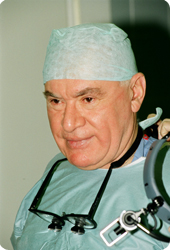
Leo A. Bockeria, MD, PhD, DSc, Professor, Academician of Russian Academy of Sciences, President of Bakoulev National Medical Research Center for Cardiovascular Surgery
Sort by
Risk factors associated with fast-track after open heart surgery

Authors:
Company:
Bakoulev National Medical Research Center for Cardiovascular Surgery, Moscow, Russian Federation
E-mail: Сведения доступны для зарегистрированных пользователей.
DOI:
UDC: 616.12-089.168.1-06
Link: Clinical Physiology of Blood Circulaiton. 2024; 21 (4): 354-368
Quote as: Rybka М.М., Diasamidze К.E., Yudin G.V., Goncharov A.A., Chitorelidze М.А., Mishin G.М. Risk factors associated with fast-track after open heart surgery. Clinical Physiology of Circulation. 2024; 21 (4): 354–368 (in Russ.). DOI: 10.24022/1814-6910-2024-21-4-354-368
Received / Accepted: 18.11.2024 / 03.12.2024
DownloadAbstract
Objective. To identify perioperative risk factors associated with fast-track (FT) cardiac surgery.
Material and methods. Retrospective cohort study. Surgical treatment of 820 (321 (39.1%) women and 499 (60.9%) men) patients aged 18 to 84 years who underwent heart surgery in 2019 was analyzed. Anamnestic data, preoperative results of laboratory and instrumental studies, intraoperative data, laboratory and instrumental and clinical data of the early postoperative period were taken from the electronic database. A total of 96 parameters were analyzed. The incidence of FT in the study cohort was 17.2% [95% CI 14.8; 19.9].
Results. As a result of multivariate binary logistic regression analysis, 3 models were created (characterizing the pre-, intra- and postoperative periods). Each model was characterized by high prognostic accuracy, sensitivity and specificity both on the test data set and on the data set for internal validation. Independent risk factors associated with the duration of mechanical ventilation and fast-track were identified. For each factor, a regression coefficient was calculated to predict FT.
Conclusion. The study of risk factors allowed for a personalized approach to each patient, determining their individual risk and the possibility of fast-track.
References
- Wong W.T., Lai V.K., Chee Y.E., Lee A. Fast-track cardiac care for adult cardiac surgical patients. Cochrane Database Syst Rev. 2016; 9 (9): CD003587. DOI: 10.1002/14651858.CD003587
- MacLeod J.B., D’Souza K., Aguiar C., Brown C.D., Pozeg Z., White C. et al. Fast tracking in cardiac surgery: is it safe? J. Cardiothorac. Surg. 2022; 17 (1): 69. DOI: 10.1186/s13019-022-01815-9
- Tiganila R., McCoy C., Gilbert R., Raco J. The safety of immediate extubation, and factors associated with delayed extubation, in cardiac surgical patients receiving fast-track cardiac anesthesia: an integrative review. Can. J. Respir. Ther. 2023; 59: 8–19. DOI: 10.29390/cjrt-2022-037
- Диасамидзе К.Э., Ялиева Л.К., Мишин Г.М., Читорелидзе М.А. Эволюция стратегии ранней активизации: развитие, формирование, взгляд в будущее. Часть 1. Клиническая физиология кровообращения. 2022; 19 (3): 211–220. DOI: 10.24022/1814-6910-2022-19-3-211-220
- Subramaniam K., DeAndrade D.S., Mandell D.R., Althouse A.D., Manmohan R., Esper S.A. et al. Predictors of operating room extubation in adult cardiac surgery. J. Thorac. Cardiovasc. Surg. 2017; 154 (5): 1656–1665.e2. DOI: 10.1016/j.jtcvs.2017.05.107
- Borracci R.A., Ochoa G., Ingino C.A., Lebus J.M., Grimaldi S.V., Gambetta M.X. Routine operation theatre extubation after cardiac surgery in the elderly. Interact. Cardiovasc. Thorac. Surg. 2016; 22 (5): 627–632. DOI: 10.1093/icvts/ivv409
- Rodriguez Blanco Y.F., Candiotti K., Gologorsky A., Tang F., Giquel J., Barron M.E. et al. Factors which predict safe extubation in the operating room following cardiac surgery. J. Card. Surg. 2012; 27 (3): 275–280. DOI: 10.1111/j.1540-8191.2012.01434.x
- Levey AS. Defining AKD: the spectrum of AKI, AKD, and CKD. Nephron. 2022; 146 (3): 302–305. DOI: 10.1159/000516647
- Patidar K.R., Naved M.A., Grama A., Adibuzzaman M., Aziz Ali A., Slaven J.E. et al. Acute kidney disease is common and associated with poor outcomes in patients with cirrhosis and acute kidney injury. J. Hepatol. 2022; 77 (1): 108–115. DOI: 10.1016/j.jhep.2022.02.009
- Williams M.L., He X., Rankin J.S., Slaughter M.S., Gammie J.S. Preoperative hematocrit is a powerful predictor of adverse outcomes in coronary artery bypass graft surgery: a report from the Society of Thoracic Surgeons Adult Cardiac Surgery Database. Ann. Thorac. Surg. 2013; 96 (5): 1628–1634; discussion 1634. DOI: 10.1016/j.athoracsur.2013.06.030
- Deng Y., Ma B., Wang X., Fan X., Nie Q., Gao X. et al. Association between nadir hematocrit and severe acute kidney injury after off-pump coronary artery bypass graft surgery: a retrospective cohort study based on the MIMIC-IV database. Med. Sci. Monit. 2022; 28: e937878. DOI: 10.12659/MSM.937878
- Yeşiler F.İ., Akmatov N., Nurumbetova O., Beyazpınar D.S., Şahintürk H., Gedik E., Zeyneloğlu P. Incidence of and risk factors for prolonged intensive care unit stay after open heart surgery among elderly patients. Cureus. 2022; 14 (11): e31602. DOI: 10.7759/cureus.31602
- Юдин Г.В., Рыбка М.М., Хинчагов Д.Я., Дибин Д.А., Гончаров А.А. Анемия как фактор риска дисфункции внутренных органов у больных, оперируемых по поводу приобретенных пороков сердца. Кардиология. 2021; 61 (4): 39–45.
- Kiessling A.H., Huneke P., Reyher C., Bingold T., Zierer A., Moritz A. Risk factor analysis for fast track protocol failure. J. Cardiothorac. Surg. 2013; 8: 47. DOI: 10.1186/1749-8090-8-47
- Constantinides V.A., Tekkis P.P., Fazil A., Kaur K., Leonard R., Platt M. et al. Fast-track failure after cardiac surgery: development of a prediction model. Crit. Care Med. 2006; 34 (12): 2875–2882. DOI: 10.1097/01.CCM.0000248724.02907.1B
- Lee A., Zhu F., Underwood M.J., Gomersall C.D. Fast-track failure after cardiac surgery: external model validation and implications to ICU bed utilization. Crit. Care Med. 2013; 41 (5): 1205–1213. DOI: 10.1097/CCM.0b013e31827711ad
- Rodriguez-Blanco Y.F., Carvalho E.M., Gologorsky A., Lo K., Salerno T.A., Gologorsky E. Factors associated with safe extubation in the operating room after on-pump cardiac valve surgery. J. Card. Surg. 2016; 31 (5): 274–281. DOI: 10.1111/jocs.12736
- Рыбка М.М., Хинчагов Д.Я., Мумладзе К.В., Голубев Е.П., Юдин Г.В., Айдашев Ю.Ю., Ворожка И.В. Выбор стратегии инфузионной терапии при операциях аортокоронарного шунтирования без искусственного кровообращения. Клиническая физиология кровообращения. 2022; 19 (4): 338–348. DOI: 10.24022/1814-6910-2022-19-4-338-348
- Юдин Г.В., Айдашев Ю.Ю., Рыбка М.М., Хинчагов Д.Я., Гончаров А.А., Мещанов Б.В. Метаболический статус и клиническое течение раннего послеоперационного периода у больных с приобретенными пороками сердца в зависимости от стратегии периоперационной инфузионной терапии. Сердечно-сосудистые заболевания. Бюллетень НЦССХ им. А.Н. Бакулева РАМН. 2021; 22 (2): 289–299. DOI: 10.24022/1810-0694-2021-22-2-289-299
- Wong W.T., Lai V.K., Chee Y.E., Lee A. Fast-track cardiac care for adult cardiac surgical patients. Cochrane Database Syst Rev. 2016; 9 (9): CD003587. DOI: 10.1002/14651858.CD003587
- MacLeod J.B., D’Souza K., Aguiar C., Brown C.D., Pozeg Z., White C. et al. Fast tracking in cardiac surgery: is it safe? J. Cardiothorac. Surg. 2022; 17 (1): 69. DOI: 10.1186/s13019-022-01815-9
- Tiganila R., McCoy C., Gilbert R., Raco J. The safety of immediate extubation, and factors associated with delayed extubation, in cardiac surgical patients receiving fast-track cardiac anesthesia: an integrative review. Can. J. Respir. Ther. 2023; 59: 8–19. DOI: 10.29390/cjrt-2022-037
- Diasamidze K.E., Yalieva L.K., Mishin G.M., Chitorelidze M.A. Evolution of fast-track strategy: development, management, and looking ahead. Part 1. Clinical Physiology of Circulation. 2022; 19 (3): 211–220 (in Russ.). DOI: 10.24022/1814-6910-2022-19-3-211-220
- Subramaniam K., DeAndrade D.S., Mandell D.R., Althouse A.D., Manmohan R., Esper S.A. et al. Predictors of operating room extubation in adult cardiac surgery. J. Thorac. Cardiovasc. Surg. 2017; 154 (5): 1656–1665.e2. DOI: 10.1016/j.jtcvs.2017.05.107
- Borracci R.A., Ochoa G., Ingino C.A., Lebus J.M., Grimaldi S.V., Gambetta M.X. Routine operation theatre extubation after cardiac surgery in the elderly. Interact. Cardiovasc. Thorac. Surg. 2016; 22 (5): 627–632. DOI: 10.1093/icvts/ivv409
- Rodriguez Blanco Y.F., Candiotti K., Gologorsky A., Tang F., Giquel J., Barron M.E. et al. Factors which predict safe extubation in the operating room following cardiac surgery. J. Card. Surg. 2012; 27 (3): 275–280. DOI: 10.1111/j.1540-8191.2012.01434.x
- Levey AS. Defining AKD: the spectrum of AKI, AKD, and CKD. Nephron. 2022; 146 (3): 302–305. DOI: 10.1159/000516647
- Patidar K.R., Naved M.A., Grama A., Adibuzzaman M., Aziz Ali A., Slaven J.E. et al. Acute kidney disease is common and associated with poor outcomes in patients with cirrhosis and acute kidney injury. J. Hepatol . 2022; 77 (1): 108–115. DOI: 10.1016/j.jhep.2022.02.009
- Williams M.L., He X., Rankin J.S., Slaughter M.S., Gammie J.S. Preoperative hematocrit is a powerful predictor of adverse outcomes in coronary artery bypass graft surgery: a report from the Society of Thoracic Surgeons Adult Cardiac Surgery Database. Ann. Thorac. Surg. 2013; 96 (5): 1628–1634; discussion 1634. DOI: 10.1016/j.athoracsur.2013.06.030
- Deng Y., Ma B., Wang X., Fan X., Nie Q., Gao X. et al. Association between nadir hematocrit and severe acute kidney injury after off-pump coronary artery bypass graft surgery: a retrospective cohort study based on the MIMIC-IV database. Med. Sci. Monit. 2022; 28: e937878. DOI: 10.12659/MSM.937878
- Yeşiler F.İ., Akmatov N., Nurumbetova O., Beyazpınar D.S., Şahintürk H., Gedik E., Zeyneloğlu P. Incidence of and risk factors for prolonged intensive care unit stay after open heart surgery among elderly patients. Cureus. 2022; 14 (11): e31602. DOI: 10.7759/cureus.31602
- Yudin G.V., Rybka M.M., Khinchagov D.Ya., Dibin D.A., Goncharov A.A. Anemia as a risk factor for dysfunction of internal organs in patients undergoing surgery for acquired heart defects. Cardiologiia. 2021; 61 (4): 39–45 (in Russ.).
- Kiessling A.H., Huneke P., Reyher C., Bingold T., Zierer A., Moritz A. Risk factor analysis for fast track protocol failure. J. Cardiothorac. Surg. 2013; 8: 47. DOI: 10.1186/1749-8090-8-47
- Constantinides V.A., Tekkis P.P., Fazil A., Kaur K., Leonard R., Platt M. et al. Fast-track failure after cardiac surgery: development of a prediction model. Crit. Care Med. 2006; 34 (12): 2875–2882. DOI: 10.1097/01.CCM.0000248724.02907.1B
- Lee A., Zhu F., Underwood M.J., Gomersall C.D. Fast-track failure after cardiac surgery: external model validation and implications to ICU bed utilization. Crit. Care Med. 2013; 41 (5): 1205–1213. DOI: 10.1097/CCM.0b013e31827711ad
- Rodriguez-Blanco Y.F., Carvalho E.M., Gologorsky A., Lo K., Salerno T.A., Gologorsky E. Factors associated with safe extubation in the operating room after on-pump cardiac valve surgery. J. Card. Surg. 2016; 31 (5): 274–281. DOI: 10.1111/jocs.12736
- Rybka M.M., Khinchagov D.Ya., Mumladze K.V., Golubev E.P., Yudin G.V., Aydashev Yu.Yu., Vorozhka I.V. Choice of infusion therapy strategy in coronary artery bypass grafting without bypass. Clinical Physiology of Circulation. 2022; 19 (4): 338–348 (in Russ.). DOI: 10.24022/1814- 6910-2022-19-4-338-348
- Yudin G.V., Aydashev Yu.Yu., Rybka M.M., Khinchagov D.Ya., Goncharov A.A., Meshchanov B.V. Metabolic status and clinical course of the early postoperative period in patients with acquired heart defects depending on the strategy of perioperative infusion therapy. The Bulletin of Bakoulev Center. Cardiovascular Diseases. 2021; 22 (2): 289–299 (in Russ.). DOI: 10.24022/1810-0694-2021-22-2-289-299
About Authors
- Mikhail M. Rybka, Dr. Med. Sci., Deputy Director for Anesthesiology and Resuscitation, Head of the Department of Anesthesiology, Resuscitation and Intensive Care; ORCID
- Kakhaber E. Diasamidze, Dr. Med. Sci., Leading Researcher; ORCID
- Genadiy V. Yudin, Dr. Med. Sci., Head of Intensive Care Unit No. 3; ORCID
- Andrey A. Goncharov, Cand. Med. Sci., Anesthesiologist; ORCID
- Mariam A. Chitorelidze, Postgraduate; ORCID
- Georgiy M. Mishin, Postgraduate; ORCID
If you found mistakes, select text and press Alt+A