
Clinical Physiology of Circulation
ISSN 1814-6910 (Print)
ISSN 2410-9134 (Online)


Chief Editor
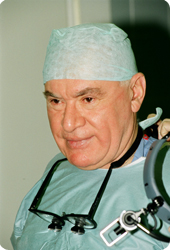
Leo A. Bockeria, MD, PhD, DSc, Professor, Academician of Russian Academy of Sciences, President of Bakoulev National Medical Research Center for Cardiovascular Surgery
Sort by
Surgical treatment of coronary heart disease and familial hypercholesterolemia

Authors:
Company:
Bakoulev National Medical Research Center of Cardiovascular Surgery, Moscow, Russian Federation
E-mail: Сведения доступны для зарегистрированных пользователей.
DOI:
UDC: [616.12-008.46+616.153.922]-089.86
Link: Clinical Physiology of Blood Circulaiton. 2024; 21 (2): 148-155
Quote as: Yurkulieva G.A., Kurchatova O.I., Danilov D.V., Donakanyan S.A., Bockeria L.A. Surgical treatment of coronary heart disease and familial hypercholesterolemia. Clinical Physiology of Circulation. 2024; 21 (2): 148–155 (in Russ.). DOI: 10.24022/1814-6910-2024-21-2-148-155
Received / Accepted: 23.05.2024 / 14.06.2024
DownloadAbstract
Lipidemic spectrum disorder leads not only to the development of atherosclerosis with vascular channel damage, but also to the subsequent increase in the risk of death and cardiovascular complications. In addition, there is a problem of atherosclerosis progression immediately after myocardial revascularization, which may lead to stenosis or occlusion of the shunt and to the resumption of angina pectoris. Among individuals with hypercholesterolemia, familial hypercholesterolemia (FHHC) occurs in 5-10% of cases. This form of the disease is diagnosed late, often after the development of cardiovascular events, so it is the object of close attention in preparing the patient for surgical treatment. Currently, there are effective methods of drug correction of dyslipidemia that allow to significantly reduce the risks of cardiovascular events in patients, and modern surgical methods of treatment of coronary artery atherosclerosis (coronary artery stenting or aortocoronary bypass surgery) allow to increase the duration and improve the quality of life. A case of aortocoronary bypass surgery in a patient with familial hypercholesterolemia is presented.
References
- Marks D., Thorogood M., Neil H.A.W, Humphries S.E. A review on the diagnosis, natural history, and treatment of familial hypercholesterolaemia. Atherosclerosis. 2003; 168 (1): 1–14. DOI: 10.1016/s0021-9150(02)00330-1
- Norata G.D., Tibolla G., Catapano A.L. Targeting PCSK9 for hypercholesterolemia. Annu. Rev. Pharmacol. Toxicol. 2014; 54: 273–293. DOI: 10.1146/annurev-pharmtox-011613-140025
- de Ferranti S.D., Rodday A.M., Mendelson M.M., Wong J.B., Leslie L.K., Sheldrick R.C. Prevalence of familial hypercholesterolemia in the 1999 to 2012 United States National Health and Nutrition Examination Surveys (NHANES). Ciurclation. 2016; 133: 1067–1072. DOI: 10.1161/CIRCULATIONAHA.115.018791
- Карпов Ю.А., Кухарчук В.В., Бойцов С.А. Заключение совета экспертов Национального общества по изучению атеросклероза (НОА). Семейная гиперхолестеринемия в Российской Федерации: нерешенные проблемы диагностики и лечения. Атеросклероз и дислипидемии. 2015; 2 (19): 5–16.
- Wattsa G.F., Giddingb S.C., Wierzbickid A.S., Tothe P.P., Alonsog R.W., Brownh V. et al. International foundation for familial hypercholesterolemia summary guidelines for the treatment of familial hypercholesterolemia. Int. J. Cardiol. 2014; 171: 309–324. DOI: 10.1161/CIRCULATIONAHA.106.676890
- Tabas I., Williams K.J., Boren J. Subendothelial lipoprotein retention as the initiating process in atherosclerosis: update and therapeutic implications. Circulation. 2007; 116: 1832–1844.
- Cohen J.C., Boerwinkle E., Mosley T.H. Jr., Hobbs H.H. Sequence variations in PCSK9, low LDL, and protection against coronary heart disease. New Eng. J. Med. 2006; 354 (12): 1264–1272. DOI: 10.1056/NEJMoa054013
- Ярустовский М.Б., Абрамян М.В. Роль липопротеида (а) в патогенезе заболеваний сердца и сосудов. Креативная кардиология. 2019; 13 (1): 40–51. DOI: 10.24022/1997-3187-2019-13-1-40-51
- Кокшенева И.В., Темирбулатова Т.Р., Гришенок А.В. Влияние полиморфизма генов, кодирующих продукты метаболизма липидов, на эффективность статинов у больных стабильной ишемической болезнью сердца. Креативная кардиология. 2024; 18 (1): 44–58. DOI: 10.24022/1997-3187-2024-18-1-44-58
- Бузиашвили Ю.И., Кокшенева И.В., Инаури И.А., Шуваев И.П., Какауридзе М.А. Генетические факторы риска неблагоприятных результатов реваскуляризации миокарда. Сердечно-сосудистые заболевания. Бюллетень НЦССХ им. А.Н. Бакулева РАМН. 2019; 20 (11–12): 1010–1034. DOI: 10.24022/1810-0694-2019-20-11-12-1010-1034
- Рогожина А.А., Аверкова А.О., Зубова Е.А., Минушкина Л.О., Бражник В.А., Иванова О.Н и др. Частота встречаемости семейной гиперхолестеринемии у больных с ранней манифестацией ишемической болезни сердца: данные российского многоцентрового исследования и метаанализ. Российский кардиологический журнал. 2023; 28 (10): 5587. DOI: 10.15829/1560-4071-2023-5587
- Чубыкина У.В., Ежов М.В., Афанасьева О.И., Клесарева Е.А., Тмоян Н.А., Покровский С.Н. Частота семейной гиперхолестеринемии и гиперлипопротеидемии(а) у пациентов с ранней манифестацией острого коронарного синдрома. Российский кардиологический журнал. 2022; 27 (6): 5041. DOI: 10.15829/1560-4071-2022-5041
- Ким З.Ф., Галявич А.С., Садыкова Д.И., Нуриева Л.М. Прогностическая значимость диагностических критериев семейной гиперхолестеринемии у мужчин и женщин с дислипидемией. Российский кардиологический журнал. 2023; 28 (4S): 5701. DOI: 10.15829/1560-4071-2023-5701
- Mehta S.R., Pare G., Lonn E.M., Jolly S.S., Natarajan M.K., Pinilla-Echeverri N. et. al. Effects of routine early treatment with PCSK9 inhibitors in patients undergoing primary percutaneous coronary intervention for ST-segment elevation myocardial infarction: a randomised, double-blind, sham-controlled trial. EuroIntervention. 2022; 18 (11): e888–e896. DOI: 10.4244/EIJ-D-22-00735
- Goldberg A.C., Hopkins P.N., Toth P.P., Ballantyne C.M., Rader D.J., Robinson J.G., et al. Семейная гиперхолестеринемия: скрининг, диагностика и лечение детей и взрослых пациентов: клиническое руководство, подготовленное группой экспертов по семейной гиперхолестеринемии при Национальной липидной ассоциации США. Атеросклероз и дислипидемии. 2012; 1: 4–11.
- 2019 ESC/EOA recommendations for the diagnosis and treatment of dyslipidemia: correction of lipid metabolism disorders to reduce cardiovascular risk. Eur. Heart J. 2019; 00: 1–78. DOI: 10.1093/eurheartj/ehz45
- Baigent C., Blackwell L., Emberson J., Holland L.E., Reith C., Cholesterol Treatment Trialists Collaboration et al. Efficacy and safety of more intensive lowering of LDL cholesterol: a meta-analysis of data from 170,000 participants in 26 randomised trials. Lancet. 2010; 376: 1670–1681. DOI: 10.1016/S0140-6736(10)61350-5
- Mihaylova B., Emberson J., Blackwell L., Keech A., Simes J. et al. The effects of lowering LDL cholesterol with statin therapy in people at low risk of vascular disease: meta-analysis of individual data from 27 randomised trials. Lancet. 2012; 380: 581–590. DOI: 10.1016/S0140- 6736(12)60367-5
- Mills E.J., Rachlis B., Wu P., Devereaux P.J., Arora P., Perri D. Primary prevention of cardiovascular mortality and events with statin treatments: a network meta-analysis involving more than 65,000 patients. J. Am. Coll. Cardiol. 2008; 52 (22): 1769–1781. DOI: 10.1016/j. jacc.2008.08.039
- Herrington W.G., Emberson J., Mihaylova B., Blackwell L., Reith C., Cholesterol Treatment Trialists Collaboration, et al. Impact of renal function on the effects of LDL cholesterol lowering with statin-based regimens: a meta-analysis of individual participant data from 28 randomised trials. Lancet Diabetes Endocrinol. 2016; 4: 829–839. DOI: 10.1016/S2213-8587(16)30156-5
- Naci H., Brugts J.J., Fleurence R., Tsoi B., Toor H., Ades A.E. Comparative benefits of statins in the primary and secondary prevention of major coronary events and all-cause mortality: a network meta-analysis of placebo-controlled and active-comparator trials. Eur. J. Prev. Cardilogy. 2013; 20: 641–657. DOI: 10.1177/2047487313480435
- Ярустовский М.Б., Абрамян М.В., Рогальская Е.А., Комардина Е.В., Назарова Е.И., Григорян Д.А., Подщеколдина О.О. Возможности коррекции высокого уровня липопротеида (а). Креативная кардиология. 2019; 13 (2): 129–146. DOI: 10.24022/1997-3187-2019-13-2-129-146
- Phan B.A., Dayspring T.D., Toth P.P. Ezetimibe therapy: mechanism of action and clinical update. Vasc. Health Risk Manag. 2012; 8: 415–427. DOI: 10.2147/VHRM.S33664
- Pandor A., Ara R.M., Tumur I., Wilkinson A.J., Paisley S., Duenas A. et al. Ezetimibe monotherapy for cholesterol lowering in 2,722 people: systematic review and meta-analysis of randomized controlled trials. J. Intern. Med. 2009; 265 (5): 568–580. DOI: 10.1111/j.1365- 2796.2008.02062.x
- Sabatine M.S., Giugliano R.P., Keech A.C., Honarpour N., Wiviott S.D., Murphy S.A., et al. FOURIER Steering Committee and Investigators. Evolocumab and clinical outcomes in patients with cardiovascular disease. New Eng. J. Med. 2017; 376 (18): 1713–1722. DOI: 10.1056/ NEJMoa1615664
- Marks D., Thorogood M., Neil H.A.W, Humphries S.E. A review on the diagnosis, natural history, and treatment of familial hypercholesterolaemia. Atherosclerosis. 2003; 168 (1): 1–14. DOI: 10.1016/s0021-9150(02)00330-1
- Norata G.D., Tibolla G., Catapano A.L. Targeting PCSK9 for hypercholesterolemia. Annu. Rev. Pharmacol. Toxicol. 2014; 54: 273–293. DOI: 10.1146/annurev-pharmtox-011613-140025
- de Ferranti S.D., Rodday A.M., Mendelson M.M., Wong J.B., Leslie L.K., Sheldrick R.C. Prevalence of familial hypercholesterolemia in the 1999 to 2012 United States National Health and Nutrition Examination Surveys (NHANES). Ciurclation. 2016; 133: 1067–1072. DOI: 10.1161/CIRCULATIONAHA.115.018791
- Karpov Y.A., Kukharchuk V.V., Boytsov SA. Consensus Statement of the Russian National Atherosclerosis Society (RNAS) Familial hypercholesterolemia in Russia: outstanding issues in diagnosis and management. Journal of Atherosclerosis and Dyslipidaemias. 2015; 2 (19): 5–16 (in Russ.).
- Wattsa G.F., Giddingb S.C., Wierzbickid A.S., Tothe P.P., Alonsog R.W., Brownh V. et al. International foundation for familial hypercholesterolemia summary guidelines for the treatment of familial hypercholesterolemia. Int. J. Cardiol. 2014; 171: 309–324. DOI: 10.1161/CIRCULATIONAHA.106.676890
- Tabas I., Williams K.J., Boren J. Subendothelial lipoprotein retention as the initiating process in atherosclerosis: update and therapeutic implications. Circulation. 2007; 116: 1832–1844.
- Cohen J.C., Boerwinkle E., Mosley T.H. Jr., Hobbs H.H. Sequence variations in PCSK9, low LDL, and protection against coronary heart disease. New Eng. J. Med. 2006; 354 (12): 1264–1272. DOI: 10.1056/NEJMoa054013
- Yaroustovsky M.B., Abramyan M.V. Significance of lipoprotein (a) in the pathogenesis of cardiovascular diseases. Creative Cardiology. 2019; 13 (1): 40–51 (in Russ.). DOI: 10.24022/1997-3187-2019-13-1-40-51
- Koksheneva I.V., Temirbulatova T.R., Grishenok A.V. The influence of polymorphism of genes encoding products of lipid metabolism on the effectiveness of statins in patients with stable coronary heart disease. Creative cardiology. 2024; 18 (1): 44–58 (in Russ.). DOI: 10.24022/1997-3187-2024-18-1-44-58
- Buziashvili Yu.I., Koksheneva I.V., Inauri I.A., Shuvaev I.P., Kakauridze M.A. Genetic risk factors of adverse results of myocardial revascularization. The Bulletin of Bakoulev Center. Cardiovascular Diseases. 2019; 20 (11–12): 1010–1034 (in Russ.). DOI: 10.24022/1810- 0694-2019-20-11-12-1010-1034
- Rogozhina A.A., Averkova A.O., Zubova E.A., Minushkina L.O., Brazhnik V.A., Ivanova O.N. et al. Incidence of familial hypercholesterolemia in patients with early manifestations of coronary artery disease: data from a Russian multicenter study and meta-analysis. Russian Journal of Cardiology. 2023; 28 (10): 5587 (in Russ.). DOI: 10.15829/1560-4071-2023-5587
- Chubykina U.V., Ezhov M.V., Afanas’eva O.I., Klesareva E.A., Tmoyan N.A., Pokrovsky S.N. Prevalence of familial hypercholesterolemia and hyperlipoproteinemia(a) in patients with premature acute coronary syndrome. Russian Journal of Cardiology. 2022; 27 (6): 5041 (in Russ.). DOI: 10.15829/1560-4071-2022-5041
- Kim Z.F., Galyavich A.S., Sadykova D.I., Nurieva L.M. Prognostic value of diagnostic criteria for familial hypercholesterolemia in men and women with dyslipidemia. Russian Journal of Cardiology. 2023; 28 (4S): 5701 (in Russ.). DOI: 10.15829/1560-4071-2023-5701
- Mehta S.R., Pare G., Lonn E.M., Jolly S.S., Natarajan M.K., Pinilla-Echeverri N. et. al. Effects of routine early treatment with PCSK9 inhibitors in patients undergoing primary percutaneous coronary intervention for ST-segment elevation myocardial infarction: a randomised, double-blind, sham-controlled trial. EuroIntervention. 2022; 18 (11): e888–e896. DOI: 10.4244/EIJ-D-22-00735
- Goldberg A.C., Hopkins P.N., Toth P.P., Ballantyne C.M., Rader D. J., Robinson J. G. et al. Familial hypercholesterolemia: Screening, diagnosis and treatment of children and adults: a clinical guideline prepared by the Familial Hypercholesterolemia Expert Panel of the US National Lipid Association. Atherosclerosis and dyslipidemia. 2012; 1: 4–11 (in Russ.).
- 2019 ESC/EOA recommendations for the diagnosis and treatment of dyslipidemia: correction of lipid metabolism disorders to reduce cardiovascular risk. Eur. Heart J. 2019; 00: 1–78. DOI: 10.1093/eurheartj/ehz45
- Baigent C., Blackwell L., Emberson J., Holland L.E., Reith C., Cholesterol Treatment Trialists Collaboration et al. Efficacy and safety of more intensive lowering of LDL cholesterol: a meta-analysis of data from 170,000 participants in 26 randomised trials. Lancet. 2010; 376: 1670–1681. DOI: 10.1016/S0140-6736(10)61350-5
- Mihaylova B., Emberson J., Blackwell L., Keech A., Simes J. et al. The effects of lowering LDL cholesterol with statin therapy in people at low risk of vascular disease: meta-analysis of individual data from 27 randomised trials. Lancet. 2012; 380: 581–590. DOI: 10.1016/S0140- 6736(12)60367-5
- Mills E.J., Rachlis B., Wu P., Devereaux P.J., Arora P., Perri D. Primary prevention of cardiovascular mortality and events with statin treatments: a network meta-analysis involving more than 65,000 patients. J. Am. Coll. Cardiol. 2008; 52 (22): 1769–1781. DOI: 10.1016/j. jacc.2008.08.039
- Herrington W.G., Emberson J., Mihaylova B., Blackwell L., Reith C., Cholesterol Treatment Trialists Collaboration, et al. Impact of renal function on the effects of LDL cholesterol lowering with statin-based regimens: a meta-analysis of individual participant data from 28 randomised trials. Lancet Diabetes Endocrinol. 2016; 4: 829–839. DOI: 10.1016/S2213-8587(16)30156-5
- Naci H., Brugts J.J., Fleurence R., Tsoi B., Toor H., Ades A.E. Comparative benefits of statins in the primary and secondary prevention of major coronary events and all-cause mortality: a network meta-analysis of placebo-controlled and active-comparator trials. Eur. J. Prev. Cardilogy. 2013; 20: 641–657. DOI: 10.1177/2047487313480435
- Yaroustovsky M.B., Abramyan M.V., Rogal’skaya E.A., Komardina E.V., Nazarova E.I., Grigoryan D.A., Podschekoldina O.O. Possibilities of correction of elevated lipoprotein (a) levels. Creative Cardiology. 2019; 13 (2): 129–146 (in Russ.). DOI: 10.24022/1997-3187-2019-13- 2-129-146
- Phan B.A., Dayspring T.D., Toth P.P. Ezetimibe therapy: mechanism of action and clinical update. Vasc. Health Risk Manag. 2012; 8: 415–427. DOI: 10.2147/VHRM.S33664
- Pandor A., Ara R.M., Tumur I., Wilkinson A.J., Paisley S., Duenas A. et al. Ezetimibe monotherapy for cholesterol lowering in 2,722 people: systematic review and meta-analysis of randomized controlled trials. J. Intern. Med. 2009; 265 (5): 568–580. DOI: 10.1111/j.1365- 2796.2008.02062.x
- Sabatine M.S., Giugliano R.P., Keech A.C., Honarpour N., Wiviott S.D., Murphy S.A., et al. FOURIER Steering Committee and Investigators. Evolocumab and clinical outcomes in patients with cardiovascular disease. New Eng. J. Med. 2017; 376 (18): 1713–1722. DOI: 10.1056/ NEJMoa1615664
About Authors
- Gyulsuna A. Yurkulieva, Cand. Med. Sci., Cardiologist, Researcher; ORCID
- Olga I. Kurchatova, Cardiovascular Surgeon, Postgraduate; ORCID
- Danil V. Danilov, Cardiologist; ORCID
- Sergey A. Donakanyan, Dr. Med. Sci., Cardiovascular Surgeon; ORCID
- Leo A. Bockeria, Academician of Russian Academy of Sciences, Dr. Med. Sci., Professor; ORCID
If you found mistakes, select text and press Alt+A