
Clinical Physiology of Circulation
ISSN 1814-6910 (Print)
ISSN 2410-9134 (Online)


Chief Editor
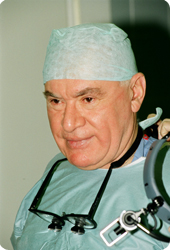
Leo A. Bockeria, MD, PhD, DSc, Professor, Academician of Russian Academy of Sciences, President of Bakoulev National Medical Research Center for Cardiovascular Surgery
Sort by
Magnetic rezonance tomography of the heart with paramagnetic contrast in assessing the inflammatory response of the aortic wall and its biomechanical properties in patients with ischemic myocardial injury

Authors:
Company:
1 National medical research Center named after academician E.N. Meshalkin, Novosibirsk, Russian Federation
2 Cardiothelemetry Center of the L.G. Sokolov North-West District Scientific and Clinical Center, Saint Petersburg, Russian Federation
E-mail: Сведения доступны для зарегистрированных пользователей.
DOI:
UDC: 616.127-005.4-073.756.8
Link: Clinical Physiology of Blood Circulaiton. 2025; 22 (1): 74-88
Quote as: Fridman A.V., Kobelev E., Alekseeva Ya.V., Minin S.M., Nikitin N.A., Fridman E.S., Bobrikova E.E., Ussov W.Yu., Chernyavsky A.M. Magnetic rezonance tomography of the heart with paramagnetic contrast in assessing the inflammatory response of the aortic wall and its biomechanical properties in patients with ischemic myocardial injury. Clinical Physiology of Circulation. 2025; 22 (1): 74–88 (in Russ.). DOI: 10.24022/1814-6910-2025-22-1-74-88
Received / Accepted: 09.01.2025 / 13.02.2025
DownloadAbstract
Aim of the study was to study the complex of visual MR tomographic signs of the process of acute aspetic inflammation of the ascending aortic wall, coronary arteries, infarct-related and noninfarction atherosclerotic plaques, as well as disorders of the mechanical properties of the aorta and indicators of the volume of damage to the heart muscle in acute myocardial infarction, in comparison with patients with chronic postinfarction cardiosclerosis and patients with stable angina without acute myocardial infarction.
Material and methods. The study comprised data from patients (17 in total, 14 men, 59.8 ± 6.95 years old, and 3 women, 63.5 ± 5.7 years old) who were examined in the acute period of myocardial infarction, who underwent successful prehospital thrombolysis with restoration of patency of the infarct-related artery and underwent an autovenous coronary artery bypass surgery (CABG), subsequently successfully performed. As comparison groups, 12 individuals (group 2) who had previously had AMI within 3-4 months and who did not undergo CABG surgery immediately after AMI, and 11 patients (control group 3) who suffered from angina pectoris of functional classes 1-2 without AMI in the anamnesis, at the time of the examination were in stable condition. All patients underwent an MRI scan of the heart and thoracic organs using Philips Brilliance (Philips Medical) and Toshiba Titan Vantage (Toshiba Medical) 1.5 T paramagnetic contrast enhancement (PMCE) MRI scans.
Results. The groups examined in this study, due to their routine clinical selection, did not differ in the magnitude of coronary artery stenosis with atherosclerotic plaque (65-85%). In all cases, the heart attack was a transmural lesion. The values of LVEF in groups 1-3 were, respectively 48,0 ± 6,52 %, 43,5 ± 6,8 %,, 54,3 ± 3,1 %. The indicators of T1-WI intensity enhancement for various anatomical structures with paramagnetic contrast differed most in groups 1-3 in terms of the magnitude of the IE of the coronary artery wall.: 1,62 ± 0,67, 1,25 ± 0,11, 1,21 ± 0,07, respectively, as well as the aortic wall IE: 2.23 ± 0.68, 1.86 ± 0.59 and 1.20 ± 0.09. In patients with initial signs of coronary heart disease, without AMI, group 3 showed no signs of an inflammatory reaction from the aortic wall, in contrast to group 1 and 2. In conditions of inflammatory damage to the aortic wall in AMI, the mechanical extensibility of the aorta was significantly reduced.
Conclusion. Dynamic ECG-synchronized MRI study of the biomechanics and contrast enhancement of the ascending aortic wall is informative in patients with AMI, and makes evidence for the role of aortic volume dilatation reduced by the inflammatory component in the formation of myocardial damage. It is advisable to study the biomechanics of the aorta in the conditions of cardiological departments with the capabilities of ECG – synchronized MRI studies of the heart.
References
- Шляхто Е.В. Мультифокальный атеросклероз в реальной практике кардиолога: что знаем и где должны сконцентрировать усилия. Российский кардиологический журнал. 2024; 29 (4): 7–9. – DOI: 10.15829/1560-4071-2024-5845
- Самородская И.В., Барбараш О.Л., Кашталап В.В., Старинская М.А. Анализ показателей смертности от инфаркта миокарда в Российской Федерации в 2006 и 2015 годах. Российский кардиологический журнал. 2017; 22 (11): 22–26. DOI: 10.15829/1560-4071-2017-11-22
- Драпкина О.М., Метельская В.А., Дубинская М.В., Яровая Е.Б. Разработка алгоритма неинвазивной диагностики стенозирующего атеросклероза коронарных артерий на основе визуализирующих и лабораторных маркеров. Кардиоваскулярная терапия и профилактика. 2023; 22 (8): 40–49. DOI: 10.15829/1728-8800-2023-3698
- Алекян Б.Г., Закарян Н.В., Панков А.С. Современное состояние эндоваскулярного лечения атеросклеротических и диабетических поражений артерий нижних конечностей в Российской Федерации. Эндоваскулярная хирургия. 2016; 3 (4): 5–12.
- Карпман В.Л., Белоцерковский З.Б., Гудков И.А. Тестирование в спортивной медицине. М.: Физкультура и спорт. 1988. 208 С.
- Карпман В.Л., Хрущев С.В., Борисова Ю.А. Сердце и работоспособность спортсмена. М.: Физкультура и спорт; 1978.
- Донина Ж.А. Межсистемные взаимоотношения дыхания и кровообращения. Физиология человека. 2011; 37 (2): 117–128.
- Ткаченко В.Л., Левтов В.А. Принципы регуляции кровообращения. Регуляция кровообращения. Л.: Наука, 1986.
- Мартынов А.И., Остроумова О.Д., Синицин В.Е. Растяжимость аорты при артериальной гипертензии. Кардиология. 2002; 42(2): 59–64.
- Мартынов А.И., Терновой С.К., Остроумова О.Д., Синицын В.Е., Пустовитова Т.С., Гедгафова С.Ю., Шаркова Н.Е. Изменения растяжимости аорты у пациентов пожилого и старческого возраста при длительной терапии различными классами гипотензивных препаратов. Кардиология. 2002; 42 (5): 19–22.
- Скрипник А.Ю., Фокин В. А., Мирончук Р.Р., Успенский В.Е., Иртюга О.Б., Кушнарева Е.А. и др. Оценка эластических характеристик стенки восходящего отдела аорты при помощи компьютерно-томографической ангиографии в режиме электрокардиографической синхронизации с расширенной постпроцессорной обработкой данных. Российский кардиологический журнал. 2019; 24 (12): 48–54. DOI: 10.15829/1560-4071-2019-12-48-54
- Усов В.Ю., Игнатенко Г.А., Берген Т.А., Шелковникова Т.А., Бриль К.Р., Ховрин В.В и др. Вычислительная оценка механоэластических свойств и парамагнитного контрастного усиления стенки восходящей аорты при остром инфаркте и некоронарных повреждениях миокарда, по данным динамической ЭКГ-синхронизированной МР-томографии (МР- эластометрии). Трансляционная медицина. 2021; 8 (6): 43–58. DOI: 10.18705/2311-4495-2021-6-43-58
- Усов В.Ю., Игнатенко Г.А., Максимова А.С., Бабокин В.Е., Лишманов Ю.Б., Труфанов Г.Е., Чернявский А.М. Взаимосвязи структурных изменений стенки восходящей аорты и миокарда, по данным МР-томографии с контрастным усилением у пациентов после инфаркта миокарда. Регионарное кровообращение и микроциркуляция. 2023; 22 (1): 41–51. DOI: 10.24884/1682-6655-2023-22-1-41-51
- Бобрикова Е.Э. Контрастирование коронарных атеросклеротических поражений при МРТ-исследовании сердца. Медицинская визуализация. 2013; 15 (3): 21–27.
- Лукьяненок П.И., Архангельский В.А., Бабокин В.Е., Федоренко Е.В., Гольцов С.Г., Бобрикова Е.Э., Усов В.Ю. Возможность визуализации проксимальных отдлов коронарного русла при контрастировании на низкопольных МР-томографах при ЭКГ- синхронизированном исследовании. Терапевт. 2014:2: 61–67.
- Каро К., Педли Т., Шротер Р., Сид У. Механика кровообращения. М.: Мир; 1983.
- Зельдович Я.Б. Высшая математика для начинающих М.: Физматгиз; 1962.
- Усов В.Ю., Шелковникова Т.А., Лукъяненок П.И., Сухарева А.Е., Усова А.В., Гольцов С.Г и др. ЭКГ-синхронизированная контрастированная МРТ миокарда на открытом МР-томографе в оценке ишемического повреждения миокарда у пациентов перед аортокоронарным шунтированием. Медицинская визуализация. 2011; 5: 114–121.
- Шелковникова Т.А., Андреев С.Л., Максимова А.С., Усов В.Ю., Завадовский К.В. Роль индекса объема левого предсердия и неишемического паттерна контрастирования миокарда в прогнозе продолженного ремоделирования левого желудочка у пациентов с ишемической кардиомиопатией: данные магнитно-резонансной томографии. Российский кардиологический журнал. 2024; 29 (11): 26–32. DOI: 10.15829/1560-4071-2024-5954
- Цыганков Ю.М., Романова У.В., Жоржолиани Ш.Т., Тибуа Т.Р., Хугаев Г.А., Алибеков Д.-С.Я. и др. Морфофункциональные изменения аорты, возникающие при локальном нарушении ее упруго-деформационных свойств. Грудная и сердечно- сосудистая хирургия. 2024; 66 (6): 865–875. DOI: 10.24022/0236-2791-2024-66-6-865-875
- Голухова Е.З., Асланиди И.П., Пурсанова Д.М., Мироненко В.А., Мироненко М.Ю., Тхашокова Л.Р. Ультразвуковая оценка биомеханики аорты при аневризмах с использованием методик тканевой допплерографии и speckle-tracking эхокардиографии. Сердечно-сосудистые заболевания. Бюллетень НЦССХ им. А.Н. Бакулева РАМН. 2023; 24 (4): 285–294. DOI: 10.24022/1810-0694-2023-24-4-285-294
- Руда М.Я., Аверков О.В., Панченко Е.П., Явелов И.С. Рекомендации Общества специалистов по неотложной кардиологии. Диагностика и лечение больных c острым коронарным синдромом без подъема сегмента ST электрокардиограммы. Кардиология. – 2017; 57 (10): 98–104. DOI: 10.18087/cardio.2017.10.10047
- Неверова Ю.Н., Головина Т.С., Тарасов Р.С. Внутриаортальная баллонная контрпульсация: современная доказательная база и нерешенные вопросы. Патология кровообращения и кардиохирургия. 2020; 24 (3S): 18–32. DOI: 10.21688/1681-3472-2020-3S-18-32
- Вышлов Е.В., Пантелеев О.О., Рябов В.В. Внутриаортальная баллонная контрпульсация у пациентов с инфарктом миокарда и кардиогенным шоком стадий А и В. Кардиология. 2022; 62 (7): 68–72. DOI: 10.18087/cardio.2022.7.n2156
- Shlyakhto E.V. Polyvascular disease in the real practice of a cardiologist: what we know and where efforts should be concentrated. Russian Journal of Cardiology. 2024; 29 (4): 7–9 (in Russ). DOI: 10.15829/1560-4071-2024-5845
- Samorodskaya I.V., Barbarash О.L., Kashtalap V.V., Starinskaya М.А. Mortality from myocardial infarction in Russia in the years 2006 and 2015. Russian Journal of Cardiology. 2017; 22 (11): 22–26 (in Russ.). DOI: 10.15829/1560-4071-2017-11-22
- Drapkina O.M., Metelskaya V.A., Dubinskaya M.V., Yarovaya E.B. Algorithm for non-invasive diagnosis of obliterating coronary atherosclerosis based on imaging and laboratory markers. Cardiovascular Therapy and Prevention. 2023; 22 (8): 40–49 (in Russ.). DOI: 10.15829/1728-8800-2023-3698
- Alekyan B.G., Zakaryan N.G., Pankov A.S. The current state of endovascular treatment of atherosclerotic and diabetic lesions of lower limb arteries in the Russian Federation. Endovascular Surgery. 2016; 3 (4): 5–12 (in Russ.).
- Karpman V.L., Belotserkovsky Z.B., Gudkov I.A. Testing in sports medicine. Moscow; 1988 (in Russ.).
- Karpman V.L., Khrushchev S.V., Borisova Yu.A. The heart and performance of an athlete. Moscow; 1978 (in Russ.).
- Donina Zh.A. Intersystem interaction of the respiration and blood circulation. Human Physiology. 2011; 37 (2): 117–128 (in Russ.).
- Tkachenko V.L., Levtov V.A. Principles of blood circulation regulation. Regulation of blood circulation. Leningrad: Nauka; 1986 (in Russ.).
- Martynov A.I., Ostroumova O.D., Sinitsyn V.E. Aortic extensibility in arterial hypertension. Cardiology. 2002; 42 (2): 59–64 (in Russ.).
- Martynov A.I., Ternovoy S.K., Ostroumova O.D., Sinitsin V.E., Pustovitova T.S., Gedgafova S.Yu., Sharkova N.E. Changes of distensibility of the aorta in elderly patients during long-term therapy with various classes of hypotensive drugs. Cardiology. 2002; 42 (5): 19–22 (in Russ.).
- Skripnik A.Yu, Fokin V.A., Mironchuk R.R., Uspenskiy V.E., Irtyuga O.B., Kushnareva E.A., et al. Assessment of the elastic properties of the ascending aorta using electrocardiographic synchronized computed tomography angiography with advanced data processing. Russian Journal of Cardiology 2019; 24 (12) :48–54 (in Russ.). DOI: 10.15829/1560-4071-2019-12-48-54
- Ussov W.Yu., Ignatenko G.A., Bergen T.A., Shelkovnikova T.A., Bril K.R., Khovrin V.V. et al. Computational evaluation of mechano- elastic properties and of paramagnetic contrast enhancement of thoracic aortic wall in acute myocardial infarction and in non- coronarogenic myocardial damage, from the data of dynamic ECG-gated MRI (MR-elastometry). Translational Medicine. 2021; 8(6): 43–58 (in Russ.). DOI: 10.18705/2311-4495-2021-6-43-58
- Ussov W.Yu., Ignatenko G.A., Maksimova A.S., Babokin V.E., Lishmanov Yu.B., Trufanov G.E., Cherniavsky A.M. The relationship of structural changes in the wall of the ascending aorta and myocardium according to chest contrast-enhanced MRI in myocardial infarction patients. Regional hemodynamics and microcirculation. 2022; 21 (4): 41–51 (in Russ.). DOI: 10.24884/1682-6655-2022-21-4-41-51
- Bobrikova E.E. Contrast paramagnetic enhancement of coronary atherosclerotic lesions as extension of MRI study of the heart. Medical Vizualization. 2013; 15 (3): 21–27 (in Russ.).
- Lukyanenok P.I., Arkhangelskiy V.A., Babokin V.E., Fedorenko E.V., Goltsov S.G., Bobrikova E.E., Ussov W.Yu. The possibility of visualization of proximal parts of coronary bed while contrasting at low-field tomographs during electrocardiogram-synchronized study. Theraputist. 2014; (2): 61–67 (in Russ.).
- Caro C.G., Pedley T.J., Schroter R.C., Seed W.A. The mechanics of the circulation. Moscow: Mir Publ. house; 1983 (in Ru ss.).
- Zeldovich J.B.. Higher mathematics for beginners. Moscow; 1962 (in Russ.).
- Ussov W.Yu., Shelkovnikova T.A., Lukyanenok P.I., Suhareva A.E., Ussova A.V., Goltsov S.G. et al. Use of contrast-enhanced ecg- gated mri of the heart in patients with ischaemic cardiomyopathy for quantification of myocardial damage before coronary bypass surgery. Medical Vizualization. 2011; 5: 114–121 (in Russ.).
- Shelkovnikova T.A., Andreev S.L., Maksimova A.S., Ussov W.Yu., Zavadovsky K.V. Left atrial volume index and non-ischemic myocardial contrast pattern as a predictor of continued left ventricular remodeling in patients with ischemic cardiomyopathy: magnetic resonance imaging data. Russian Journal of Cardiology. 2024; 29 (11): 26–32 (in Russ.). DOI: 10.15829/1560-4071-2024-5954
- Tsygankov Yu.M., Romanova U.V., Zhorzholiani Sh.T., Tibua T.R., Khugaev G.A., Alibekov D.-S.Ya. et al. Morphofunctional changes of the aorta that occur with a local violation of its elastic-deformational properties. Grudnaya I Serdechno-Sosudistaya Khirurgiya. 2024; 66 (6): 865–875 (in Russ.). DOI: 10.24022/0236-2791-2024-66-6-865-875
- Golukhova E.Z., Aslanidis I.P., Pursanova D.M., Mironenko V.A., Mironenko M.Yu., Tkhashokova L.R. Tissue doppler imaging and speckle-tracking echocardiography in the assessment of aortic biomechanics in aneurysms. The Bulletin of Bakoulev Center. Cardiovascular Diseases. 2023; 24 (4): 285–294 (in Russ.). DOI: 10.24022/1810-0694-2023-24-4-285-294
- Ruda M.Ya., Averkov O.V., Panchenko E.P., Yavelov I.S. Recommendations of the Society of Specialists in urgent Cardiology. Diagnosis and treatment of patients with non-ST – segment elevation acute coronay syndrome. Cardiology. 2017; 57 (10): 98–104 (in Russ.). DOI: 10.18087/cardio.2017.10.10047
- Neverova Yu.N., Golovina T.S., Tarasov R.S. Intra-aortic balloon counterpulsation: current evidence-based and unresolved issues. Circulation Pathology and Cardiac Surgery. 2020; 24 (3S): 18–32 (in Russ.). DOI: 10.21688/1681-3472-2020-3S-18-32
- Vyshlov E.V., Panteleev O.O., Ryabov V.V. Intra-aortic balloon pump in patients with myocardial infarction and cardiogenic shock of stages A and B. Cardiology. 2022; 62 (7): 68–72 (in Russ.). DOI: 10.18087/cardio.2022.7.n2156
About Authors
- Alexander V. Friedman, Radiologist; ORCID
- Evgeny Kobelev, Cand. Med. Sci., Radiologist; ORCID
- Yana V. Alekseeva, Cand. Med. Sci., Head of the Center for Cardiothelometry; ORCID
- Stanislav M. Minin, Cand. Med. Sci., Senior Researcher, Head of the Department of Radionuclide Therapy and Diagnostics; ORCID
- Nikita A. Nikitin, Cand. Med. Sci., Head of the Department of Radiology; ORCID
- Evgeniya S. Friedman, Ultrasonic and Functional Diagnostician; ORCID
- Evgeniya E. Bobrikova, Radiologist, Junior Researcher; ORCID
- Wladimir Yu. Ussov, Dr. Med. Sci., Professor, Chief Researcher; ORCID
- Alexander M. Chernyavsky, Dr. Med. Sci., Professor, Corresponding Member of the Russian Academy of Sciences, General Director; ORCID
If you found mistakes, select text and press Alt+A